
How to Get Rid of Fruit Flies in Kitchen: A Renter’s Complete Guide
You return from the grocery store with a fresh bunch of ripe bananas or summer stone fruit, set them on your kitchen counter, and within forty-eight hours, your kitchen is swarming with tiny, persistent insects. You swat at them while cooking, watch them circle your morning coffee mug, and wonder how an otherwise clean apartment became overrun so quickly.
If you rent an apartment or live in a compact urban home, fruit flies (Drosophila melanogaster) are an all-too-common annoyance. In smaller spaces, food prep zones, garbage bins, and plumbing sit close together, creating an ideal environment for rapid reproduction. A single female fruit fly can deposit up to 500 microscopic eggs on ripening organic food, and those eggs hatch into feeding larvae in just 24 to 30 hours.
Fortunately, you do not need harsh chemical sprays, expensive exterminators, or specialized gear to eradicate them. By deploying simple DIY traps, sanitizing sink drains, and cutting off their food supply, you can clear fruit flies out of your rental kitchen in two to three days.
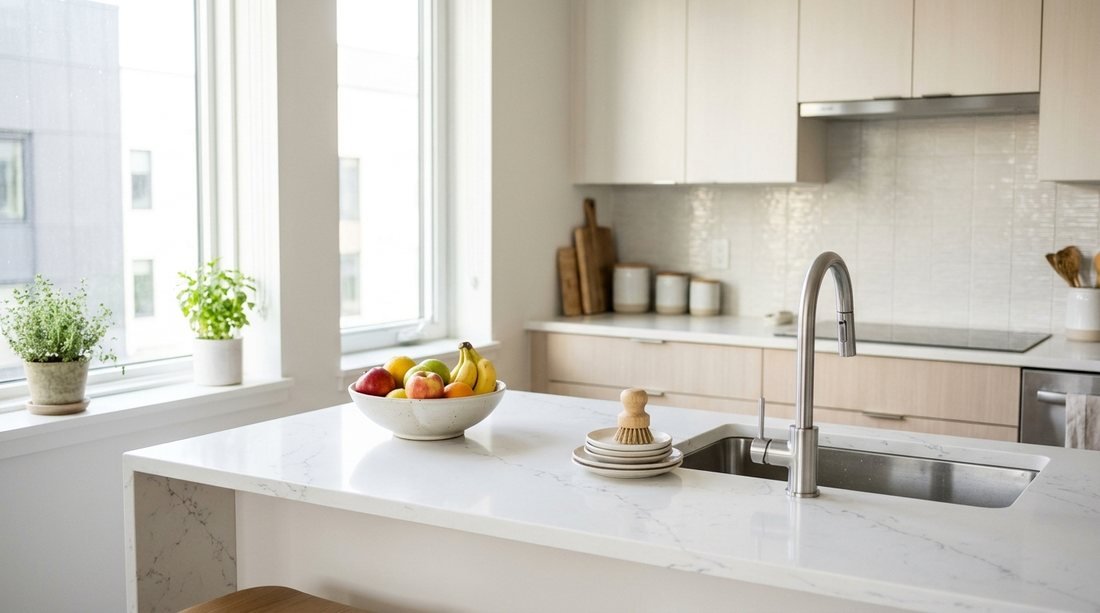
Where Do Kitchen Fruit Flies Come From?
Fruit flies do not generate spontaneously, nor do they usually slip through closed window screens. In most cases, they hitchhike into your kitchen directly on grocery store produce. Microscopic eggs and pupae often ride in on the peels of bananas, melons, tomatoes, onions, and unwashed stone fruits.
Once inside a warm room, adult flies use their sharp sense of smell to locate fermenting sugars and yeasts. They quickly seek out four common kitchen breeding zones:
- Unrefrigerated Produce: Bananas, peaches, and tomatoes ripening openly on countertops.
- Sink Drains and Disposals: Sticky organic biofilm coating the inner walls of pipes and garbage disposal splash baffles.
- Trash and Recycling Cans: Unrinsed soda cans, beer bottles, and discarded fruit peels at the bottom of bins.
- Damp Sponges and Mops: Soggy cleaning cloths that stay moist and trap microscopic food debris.
Pest Identification: Fruit Flies vs. Drain Flies vs. Fungus Gnats
Before mixing traps, confirm that you are dealing with actual fruit flies. Misidentifying the pest leads to ineffective treatments:
| Pest | Appearance | Common Location | Primary Attractant |
|---|---|---|---|
| Fruit Fly | Light brown or tan body, red eyes; fast, darting flight pattern. | Countertops, fruit bowls, trash bins, sink rims. | Fermenting fruit, sweet liquids, vinegar, beer. |
| Drain Fly | Moth-like silhouette, fuzzy rounded wings, dark grey body; slow flutter. | Directly resting on or hovering above sink and shower drains. | Decomposing organic sludge inside plumbing traps. |
| Fungus Gnat | Tiny, slender mosquito-like body, long delicate legs; weak flying. | Houseplants, windowsill herbs, damp potting soil. | Soil moisture, decaying roots, and organic potting mix. |
If you grow indoor kitchen herbs, check that damp potting soil is not harboring fungus gnats. See our guide on how to keep an indoor apartment herb garden alive and thriving for proper soil drainage techniques.
The 3 Most Effective DIY Fruit Fly Traps
Passive traps eliminate adult flies quickly while you remove their breeding source. These take less than two minutes to assemble with ordinary household pantry items.
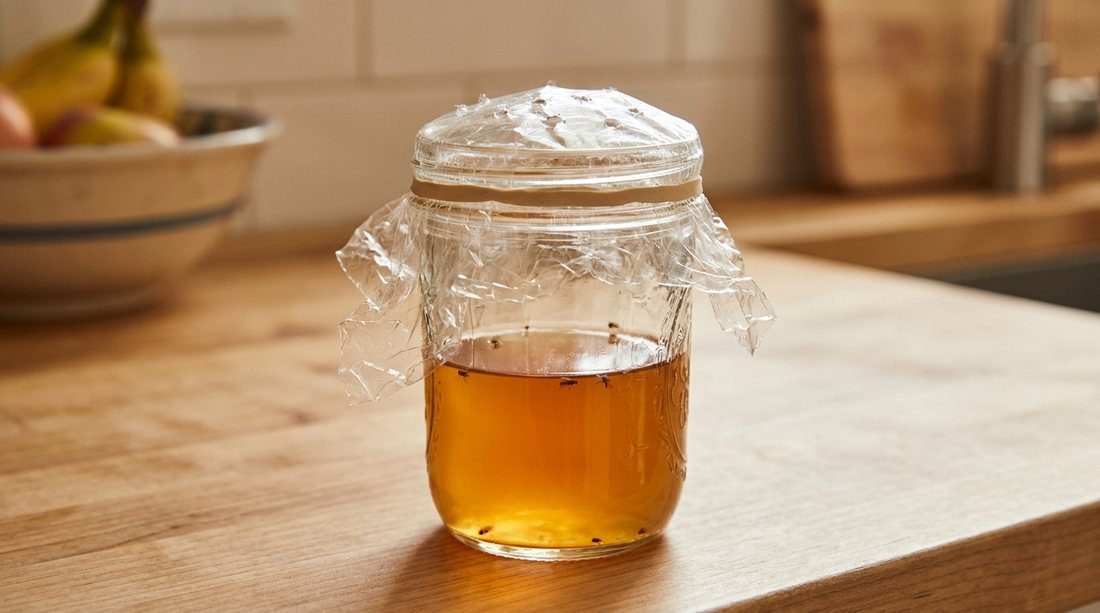
1. The Apple Cider Vinegar & Dish Soap Trap
This is widely regarded as the most reliable homemade remedy. Apple cider vinegar (ACV) mimics fermenting fruit, while liquid dish soap breaks water surface tension so flies sink upon contact.
Supplies: A small glass jar or shallow bowl, 1/3 cup of apple cider vinegar, 2–3 drops of liquid dish soap, clear plastic wrap, and a rubber band.
How to Make It: Pour the apple cider vinegar into the container. (Heating it for 10 seconds in the microwave boosts the aroma).
Add 2 to 3 drops of dish soap. Swirl very gently once without creating foam or suds.
Cover the top tightly with plastic wrap and secure it with the rubber band.
Poke 5 to 6 small holes in the plastic using a toothpick or fork prong.
Place the container right next to your fruit bowl or kitchen sink.
2. The Paper Cone Funnel Trap
If you lack apple cider vinegar, you can build a funnel trap using sweet kitchen remnants:
Bait: A piece of overripe banana, sliced peach, 2 tablespoons of red wine, or stale beer.
How to Make It: Place the bait in the bottom of a tall glass. Roll a sheet of paper into a cone with a tiny opening (about 1/8-inch) at the point. Place the cone pointed-down into the glass and tape the rim flush. Flies fly down the wide cone toward the scent, but cannot locate the narrow exit hole.
3. The Rubbing Alcohol Contact Spray
For flies hovering in mid-air, avoid spraying harsh aerosols near food prep surfaces. Fill a small spray bottle with 70% isopropyl rubbing alcohol. A gentle mist knocks flying pests down immediately by dehydrating their wings, allowing you to wipe them up cleanly with a paper towel.
How to Clear Fruit Flies from Your Kitchen Sink & Disposal
When you have cleared all open fruit but flies still linger around the faucet, your sink drain is harboring them. Food residues accumulate inside pipes and under disposal baffles, feeding developing larvae.
Scrub the Disposal Baffle: Lift the rubber splash guard in your disposal. Using an old dish brush and soap, scrub away the black sludge lining the underside.
Baking Soda & Vinegar Treatment: Pour 1/2 cup of baking soda down the drain, followed by 1 cup of white vinegar. Let the foaming action loosen organic buildup for 20 minutes.
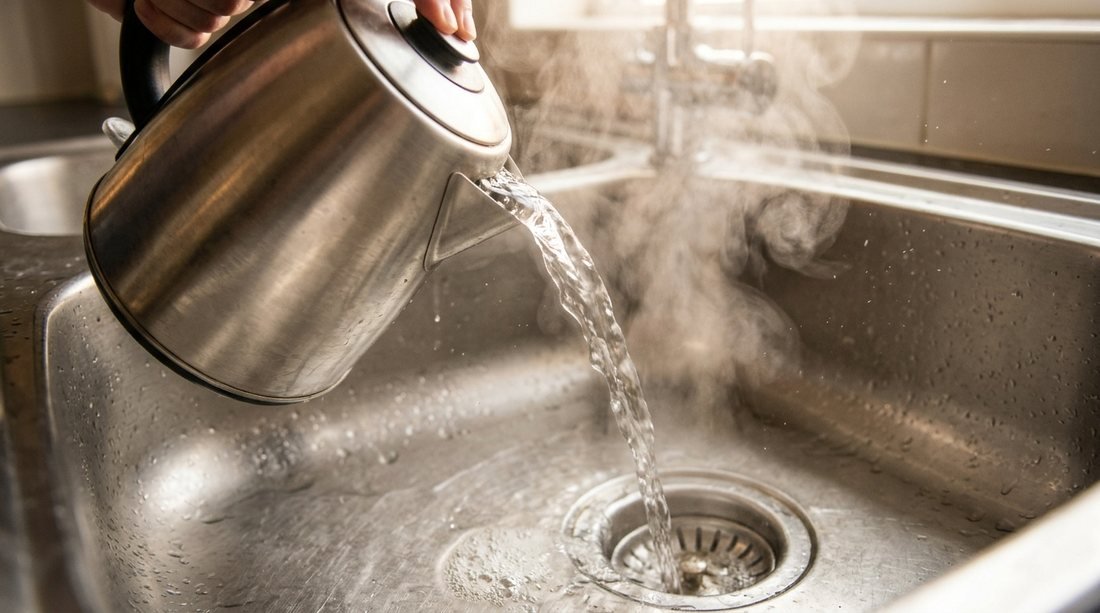
Boiling Water Flush: Pour a full kettle of rolling boiling water directly down the drain. The heat melts loosened grease and eliminates eggs and larvae. Repeat for two consecutive evenings.
Renter Note on Bleach
Avoid dumping harsh bleach down apartment sinks. Bleach washes past pipe walls too fast to dissolve thick organic biofilm, and caustic chemicals can corrode older apartment plumbing. Boiling water combined with baking soda is safer and more effective.
Long-Term Prevention: Apartment Kitchen Checklist
Once you eliminate the active swarm, follow these practical habits to keep fruit flies from returning:
- Refrigerate Produce: Keep bananas, stone fruit, and tomatoes in your refrigerator crisper during warm seasons.
- Wash Fruit Promptly: Rinse newly purchased produce under cool running water when unpacking groceries to remove microscopic eggs, then dry thoroughly.
- Use an Odor-Sealed Compost Bin: If saving kitchen scraps, choose a container equipped with an airtight gasket and activated charcoal filter. Read our guide on which apartment compost bins actually stay odorless.
- Rinse Recyclables: Wash soda cans, beer bottles, and juice jugs before putting them into indoor recycling bins.
- Maintain Clean Counters: Wipe crumbs and sticky spills immediately. For a structured cleaning routine, check our apartment cleaning checklist for a spotless home.
Frequently Asked Questions
Can fruit flies live inside apartment walls or ventilation ducts?
No. Fruit flies require damp, decaying organic matter to survive and breed. They do not live or lay eggs in dry drywall or air vents. If flies appear near vents, check nearby windows or trash chutes.
How quickly does a fruit fly infestation clear up?
Once you clean open food sources, flush drains, and set apple cider vinegar traps, the swarm usually drops drastically within 24 to 48 hours, clearing completely within 3 days.
Do essential oils repel fruit flies?
Scents like peppermint, eucalyptus, and lemongrass can deter adult flies from specific counters, but they will not kill larvae or eliminate an established breeding spot.