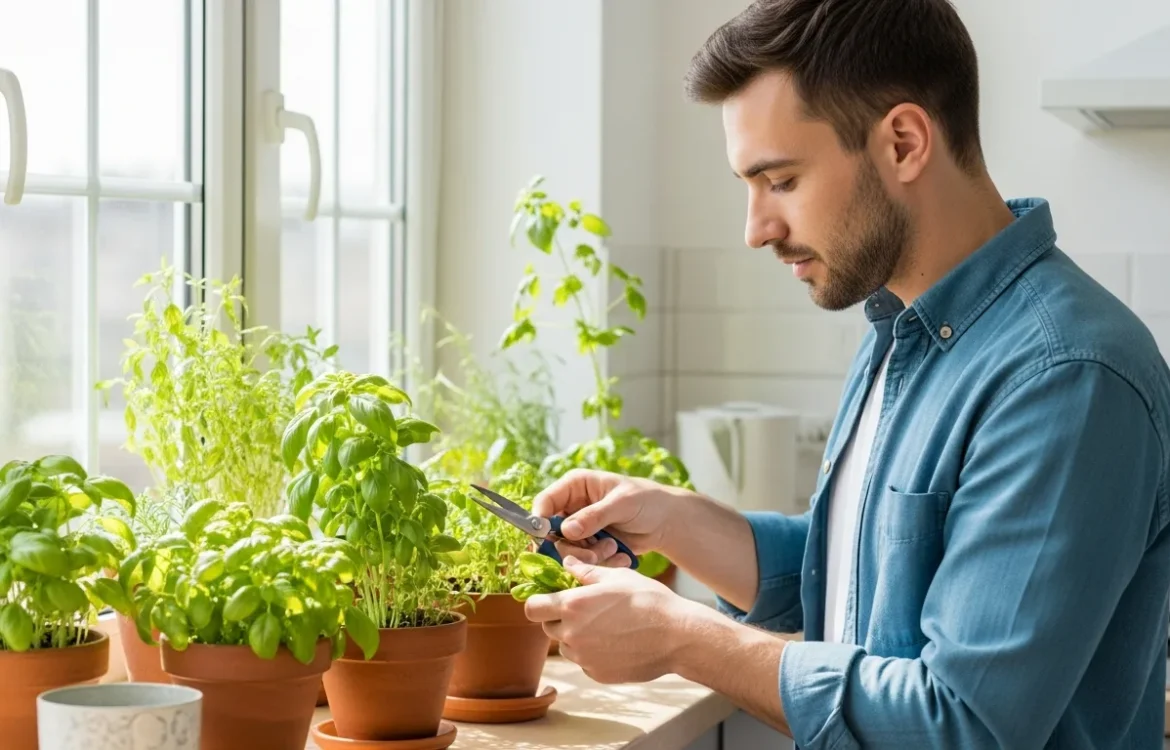
Can You Grow a Productive Herb Garden in a Small Apartment?
Finding the Best Light in Your Rental
Light is the primary currency of the plant world. Most culinary herbs require at least six hours of direct sunlight to produce the essential oils that give them their distinct flavor and aroma. If he has a south-facing window, he has hit the jackpot. However, if his kitchen doesn’t get much sun, he should focus on selecting varieties that thrive in dimmer environments to avoid leggy, weak plants.
For those in darker units, LED grow lights have become incredibly efficient and compact. A simple clip-on light or a sleek desktop panel can provide the full spectrum of rays his plants need without cluttering his living space. He should position the light about 6 to 12 inches above the plants to mimic the intensity of the midday sun.
Essential Gear for the Urban Gardener
Success starts with the right foundation. He shouldn’t just grab any pot from the store; drainage is non-negotiable. Herbs hate sitting in soggy soil, which leads to root rot faster than almost any other issue. He should look for containers with drainage holes and a matching saucer to protect his apartment floors or countertops.
- Terra Cotta: Great for herbs like rosemary and thyme that prefer drier soil, as the porous material breathes.
- Plastic or Glazed Ceramic: Better for moisture-loving herbs like mint or basil.
- Potting Mix: He must avoid using outdoor garden soil, which is too heavy and may contain pests. A high-quality, well-draining indoor potting mix is essential.
By following foundational indoor gardening principles, any renter can maintain a lush green space regardless of his square footage.
The Best Herbs for High-Yield Results
Not all herbs are created equal when it comes to indoor living. Some are resilient and fast-growing, while others are finicky. For a beginner, focusing on these four will provide the best return on investment:
Basil: The king of the apartment garden. It grows rapidly and loves the warmth of a windowsill. He should pinch off the top leaves regularly to encourage the plant to grow bushier rather than taller.
Mint: This herb is nearly indestructible. In fact, it grows so aggressively that he should always give it its own dedicated pot to prevent it from choking out other plants. It handles partial shade better than most.
Chives: These are perfect for low-light situations. They take up very little horizontal space and can be harvested frequently for omelets or baked potatoes.
Rosemary: While it grows slower, its woody stems are hardy. He needs to be careful not to overwater this one; it prefers to dry out significantly between drinks.
Maintenance Hacks for Busy Renters
Consistency beats intensity every time. He doesn’t need to spend hours a day on his plants, but a quick check every morning can prevent disaster. He should use the finger test: stick a finger an inch into the soil. If it feels dry, it’s time to water. If it’s still damp, he should wait another day.
Pruning is another vital skill. Many new gardeners are afraid to cut their plants, but regular harvesting actually stimulates new growth. He should always cut just above a leaf node (the spot where new leaves emerge) to ensure the plant continues to branch out. If he sees flowers starting to form, he should pinch them off immediately, as flowering often makes the leaves taste bitter.
Frequently Asked Questions
How often should I fertilize my apartment herbs?
Indoor herbs generally need a liquid organic fertilizer every 4 to 6 weeks during the growing season. Since they are in containers, nutrients wash out of the soil over time, so he must replenish them to keep the plants vibrant.
Can I grow herbs from grocery store bundles?
It is possible but difficult. Most grocery store herbs are grown hydroponically and have weak root systems. He is better off buying a small potted plant from a nursery or starting from seeds for a more resilient garden.
Why are my herbs turning yellow?
Yellow leaves are usually a sign of overwatering or poor drainage. He should check to ensure the pot isn’t sitting in a pool of water in the saucer and allow the top layer of soil to dry out before the next watering.
Do I need to worry about pests indoors?
Yes, fungus gnats and spider mites can still find their way inside. He can manage most minor infestations with a simple neem oil spray or by ensuring he doesn’t keep the soil surface constantly wet.