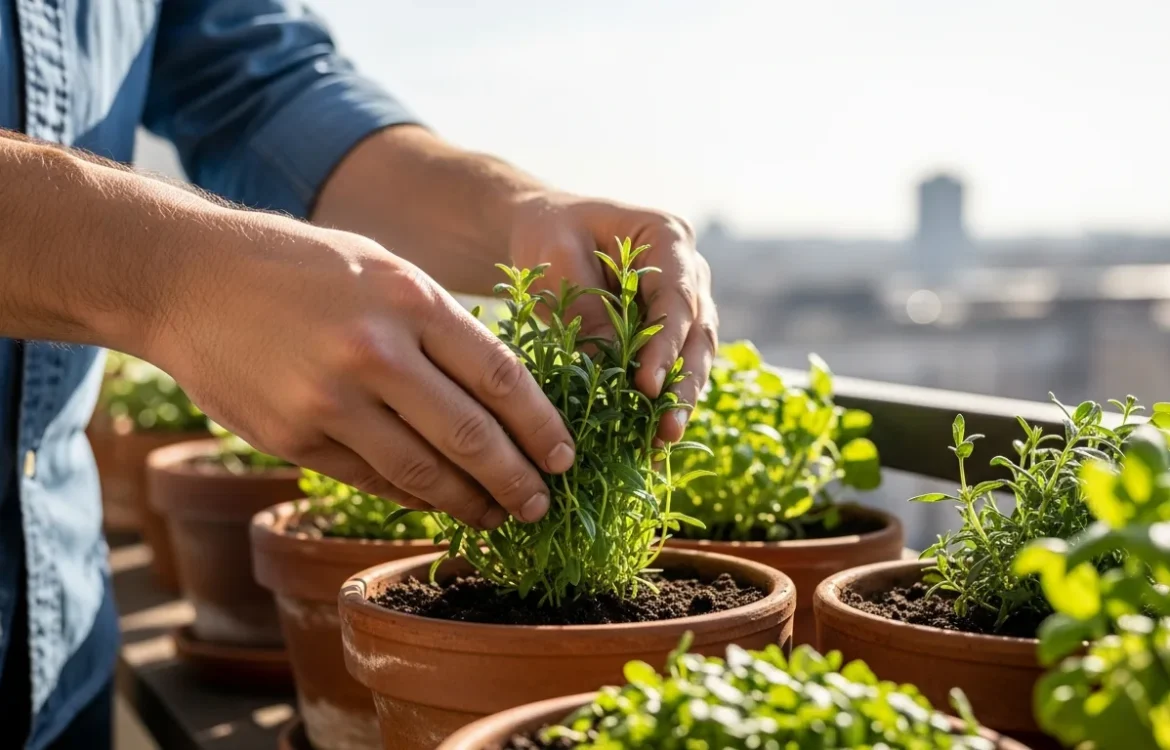
How Often Should You Water Your Balcony Container Plants?
The Balcony Microclimate Challenge
Balcony plants exist in a high-stress environment that differs significantly from a traditional backyard. A gardener must realize that his containers are exposed to accelerated evaporation due to height, increased wind speeds, and reflected heat from building walls. Unlike plants in the ground, container-bound roots cannot reach deeper into the earth for moisture. He is the sole provider of their hydration, and missing even a single day during a heatwave can lead to permanent wilting.
A successful gardener knows that his apartment container gardening guide is just the starting point; the real work happens when he steps onto the balcony with a watering can. Generally, most balcony plants require watering once a day during the summer, but this frequency shifts based on several environmental factors.
Key Variables for Your Watering Schedule
He cannot rely on a rigid calendar. Instead, he must adjust his routine based on the specific conditions of his balcony. Several factors dictate whether a plant needs a drink every morning or every three days.
Pot Material and Size
The container itself plays a massive role in moisture retention. Terracotta pots are porous, meaning they breathe and allow water to evaporate through the sides. If he uses terracotta, he will likely need to water more frequently than if he used plastic or glazed ceramic. Additionally, smaller pots hold less soil and, consequently, less water. A small 6-inch pot on a sunny ledge may require watering twice a day in peak July heat, whereas a large 20-inch planter might hold enough moisture for 48 hours.
Sun and Wind Exposure
A south-facing balcony is a sun trap. If his plants are baked in direct sunlight for eight hours, the soil temperature rises, forcing the plant to transpire faster. Wind is an often-overlooked thief of moisture. High-altitude balconies experience stronger gusts that strip moisture from leaves and the soil surface. He should check his plants more often if his balcony is particularly breezy.
The “Finger Test” and Other Indicators
He should never water on autopilot. The most reliable method to determine if a plant is thirsty is the finger test. He should stick his index finger into the soil up to the second knuckle. If the soil feels dry at the tip of his finger, it is time to water. If it feels damp, he should wait.
- Weight Check: He can lift or tilt the pot. A dry container is significantly lighter than one saturated with water.
- Soil Gap: When soil becomes excessively dry, it pulls away from the edges of the pot. If he sees a visible gap, the plant is likely stressed.
- Leaf Appearance: While wilting is an obvious sign, he should also look for dullness in leaf color or a slight drooping before the plant completely collapses.
Seasonal Shifts in Watering
As the seasons change, so must his habits. In the spring, as growth begins, watering needs increase. During the peak of summer, he might find himself watering early in the morning and again in the late evening to keep up with the demand. For the busy professional who cannot check his soil daily, utilizing the best self-watering pots for renters can provide a necessary safety net against dehydration.
In the winter, most balcony plants go dormant. Their metabolic rate slows down, and the cooler air reduces evaporation. During this time, he may only need to water once every week or two. He must be careful not to overwater in winter, as cold, soggy soil is a recipe for root rot.
Best Practices for Balcony Watering
To ensure his plants thrive, he should follow these tactical steps:
- Water Early: Watering in the morning allows the plant to hydrate before the sun hits its peak. It also ensures that any water splashed on the leaves dries quickly, preventing fungal issues.
- Deep Soaking: He should water until he sees it running out of the drainage holes at the bottom. This ensures the entire root ball is saturated, not just the top inch.
- Avoid the Foliage: He should aim the spout at the soil, not the leaves. Water on the leaves can act as a magnifying glass in the sun or encourage disease in the shade.
Frequently Asked Questions
Can I water my balcony plants with tap water?
Yes, most balcony plants handle tap water fine. However, if he is growing sensitive species like ferns or orchids, he might let the water sit out overnight to allow chlorine to dissipate before use.
How do I prevent water from dripping onto my neighbor’s balcony?
He should use saucers under every pot to catch excess runoff. He can also water more slowly to allow the soil to absorb the liquid rather than letting it rush straight through the drainage holes.
Is it possible to overwater container plants?
Absolutely. If he notices yellowing leaves or a foul smell from the soil, he is likely watering too much. He must ensure his pots have adequate drainage holes so the roots aren’t sitting in stagnant water.