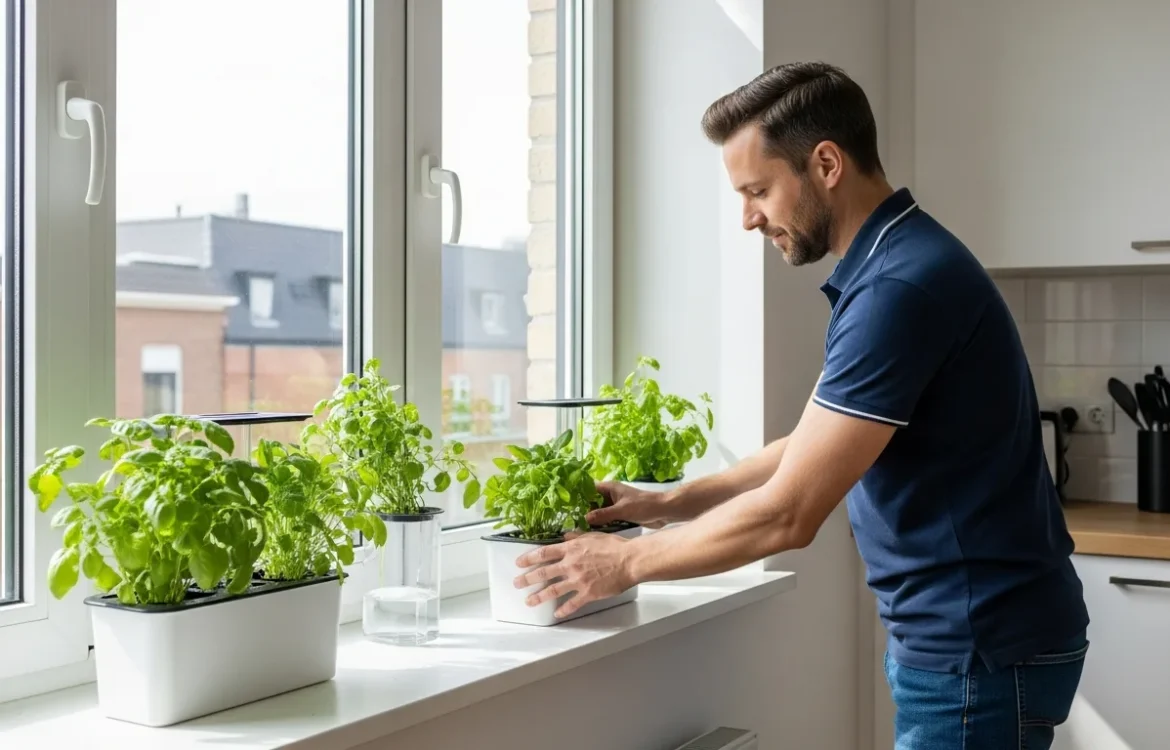
Which Self-Watering Pots Are Best for Apartment Renters?
Why Renters Should Switch to Self-Watering Pots
For the modern renter, maintaining a lush indoor garden can be a challenge. Between a demanding career and the occasional weekend getaway, his plants often suffer from inconsistent watering. Self-watering pots offer a sophisticated solution, ensuring that his greenery receives exactly what it needs without constant supervision. In 2026, these systems have become more efficient and stylish than ever before, making them an essential addition to any urban dwelling.
One of the primary concerns for any tenant is protecting the property he lives in. Traditional pots with drainage holes can leak, leading to unsightly water stains on hardwood floors or carpets. By using a high-quality self-watering system, a renter can incorporate affordable ways to spruce up his living space without risking his security deposit due to water damage. These pots typically feature a closed-bottom design with an internal reservoir, keeping the moisture contained and off the floor.
Top Features to Look for in Apartment-Friendly Planters
When a renter searches for the ideal container, he should prioritize both functionality and design. Since space is often at a premium in many units, selecting the right size and shape is crucial to maintaining the modern aesthetic of his home. Here are the key features he should consider:
- Reservoir Capacity: A larger reservoir means he can go longer between refills, which is ideal for a man who travels for business or pleasure.
- Water Level Indicators: These visual cues, often in the form of a small float or transparent window, tell him exactly when the tank is running low, removing the guesswork from plant care.
- Overflow Protection: Essential for indoor use, this prevents the reservoir from being overfilled and spilling onto the floor.
- Wicking Mechanism: Whether it uses a cotton rope or a perforated platform, the wicking system must be reliable to ensure the soil stays consistently moist but not waterlogged.
The Best Types of Self-Watering Pots for Small Spaces
Not all self-watering pots are designed for the same purpose. Depending on his specific needs, a renter might choose from several popular styles that maximize his available square footage.
Vertical and Stackable Planters
If he has a small balcony or a narrow sunroom, vertical planters allow him to grow multiple plants in the footprint of a single pot. These are excellent for herb gardens, allowing him to harvest fresh basil or mint right from his kitchen door.
Window Box Reservoirs
For the renter with limited floor space, window boxes that attach securely to railings or sit on deep sills are a great alternative. These often feature long, narrow reservoirs that provide consistent hydration to a row of flowering plants or succulents.
Decorative Floor Pots
For larger statement plants like a Fiddle Leaf Fig or a Monstera, a renter should look for heavy-duty, decorative self-watering pots. These often come in sleek finishes like matte charcoal or faux-stone, providing a high-end look while performing the heavy lifting of hydration management.
How to Maintain Your Self-Watering System
While these pots are designed to make life easier, they are not entirely “set and forget.” To ensure his plants thrive throughout 2026, the renter should follow a few basic maintenance steps. Every few months, he should flush the soil with fresh water to prevent the buildup of mineral salts from fertilizers. Additionally, he must periodically check the reservoir for any debris or stagnant water that could attract pests.
Choosing the right potting mix is also vital. A renter should always use a lightweight, well-draining mix specifically designed for containers. This ensures that the wicking action works correctly and that the roots have access to both water and oxygen.
Frequently Asked Questions
Do self-watering pots cause root rot?
They can if not used correctly. However, most modern designs include a separation layer that keeps the roots from sitting directly in the water. As long as he uses a porous potting mix, the risk of root rot is significantly lower than with traditional overwatering.
How often do you need to refill the reservoir?
The frequency depends on the plant type and the environment. In a typical apartment, a renter might only need to refill the reservoir once every two to four weeks. During the hot summer months of 2026, he may find he needs to check it more frequently.
Can I use these pots for succulents and cacti?
While possible, it requires caution. Succulents prefer their soil to dry out completely between waterings. If he chooses to use a self-watering pot for these species, he should allow the reservoir to remain empty for a week or two before refilling it to mimic their natural environment.
Are self-watering pots more expensive?
Generally, they carry a slightly higher price tag than basic plastic pots due to the additional components. However, for a renter, the investment is often worth it to prevent plant loss and protect the flooring of his rental unit.