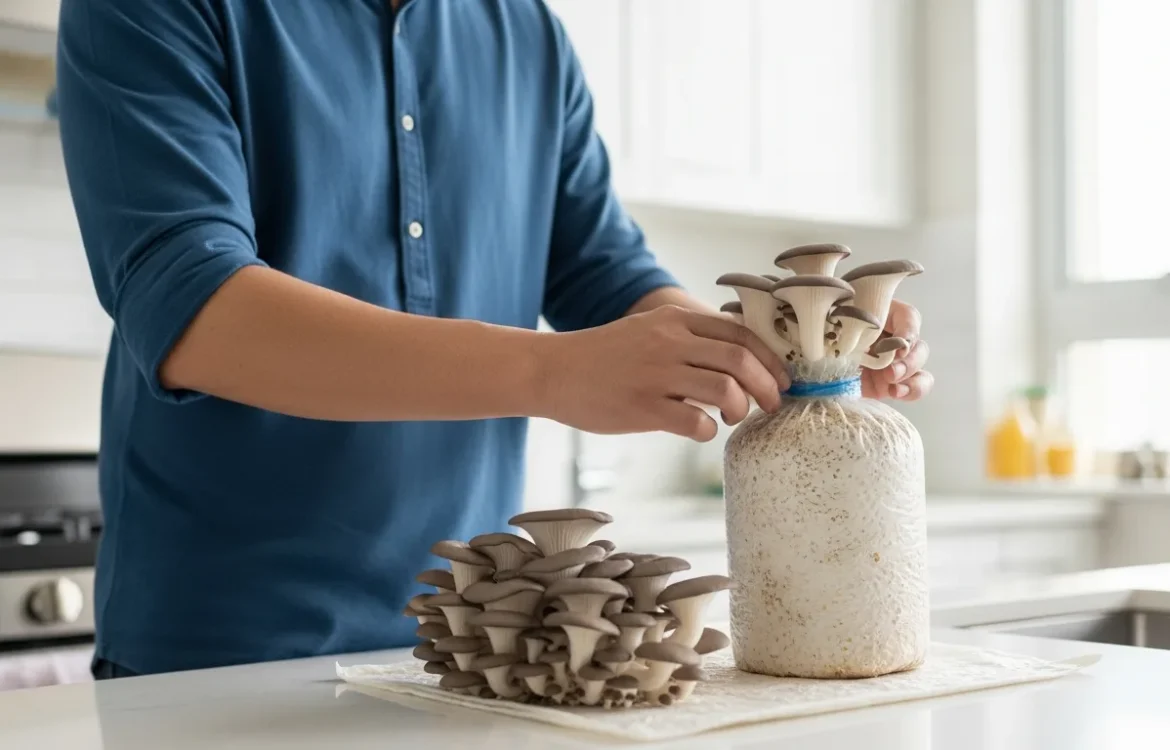
Is Growing Mushrooms in a Rental Apartment Worth the Effort?
The Appeal of the Indoor Fungi Farm
Forget the grocery store’s overpriced, plastic-wrapped fungi that lose their flavor before he even gets them home. Growing mushrooms in a rental apartment is a high-yield hobby that requires surprisingly little space and zero sunlight. For the man who enjoys cooking or simply wants to master a unique skill, a small-scale mushroom setup provides a steady supply of gourmet ingredients right from his kitchen or closet.
Unlike traditional plants, mushrooms don’t need a balcony or a south-facing window. They thrive in the controlled environments humans already live in. If he is already experimenting with an apartment hydroponic garden setup, adding mushrooms is the logical next step to diversify his indoor harvest.
Selecting Your First Mushroom Species
Not all mushrooms are created equal when it comes to indoor cultivation. A beginner should start with species that are resilient and fast-growing to ensure early success. Oyster mushrooms are the gold standard for apartment dwellers. They are aggressive colonizers, meaning they grow quickly and can outcompete most contaminants. They also come in various colors like blue, pink, and golden, adding a visual element to the grow space.
Lion’s Mane is another excellent choice for the modern renter. Known for its shaggy appearance and lobster-like flavor, it is highly prized for its potential cognitive benefits. It grows well in small bags or buckets, making it perfect for a shelf in a spare room. While shiitakes are popular, they often require longer incubation periods and specific wood-based substrates, which might be more work than a first-timer wants to handle.
Setting Up a Low-Profile Grow Station
Space is the primary constraint in any rental. Fortunately, a man doesn’t need a dedicated greenhouse to see results. A simple Shotgun Fruiting Chamber (SGFC)—which is essentially a clear plastic storage bin with holes drilled in the sides—is enough to get started. This setup maintains high humidity while allowing for the necessary gas exchange.
For those who want to keep things even cleaner, pre-colonized grow kits are the way to go. These kits arrive as a block of mycelium; he simply needs to cut a hole in the bag and mist it with water. He can even reuse kitchen scraps like spent coffee grounds to act as a supplemental substrate for certain oyster varieties, reducing waste while feeding his crop.
Maintaining the Ideal Environment
Mushrooms are 90% water, so humidity is the most vital factor. In a climate-controlled apartment, the air is often too dry, especially during winter months. A simple hand mister used twice a day usually suffices for small setups. If he wants to automate the process, a small ultrasonic humidifier connected to a humidity controller can keep the environment perfect without constant manual intervention.
Airflow is the second pillar of success. Mushrooms breathe oxygen and exhale CO2, just like humans. If the air stays stagnant, the mushrooms will grow long, spindly stems and tiny caps as they “reach” for fresh air. Placing the grow bin in a spot with natural air movement, or using a small computer fan, ensures the mushrooms develop thick, meaty caps.
Managing Cleanliness and Landlord Concerns
One common worry for renters is the potential for mold or mess. However, mushroom cultivation is remarkably clean if done correctly. The mycelium grows inside bags or bins, containing the moisture and substrate. To prevent any issues with the rental unit, he should place his grow chamber on a waterproof mat or a plastic tray to catch any stray mist.
Spore drop is another factor to consider. When mushrooms reach maturity, they release millions of spores. While harmless in small quantities, a heavy spore load can leave a fine dust on nearby surfaces. The solution is simple: harvest the mushrooms early, just as the edges of the caps begin to flatten out but before they curl upward. This ensures the best flavor and keeps the apartment spotless.
Harvesting and Reaping the Rewards
The best part of the process is the harvest. Most oyster mushrooms will be ready to pick within 7 to 10 days of the first “pins” appearing. He should use a sharp knife to cut the cluster at the base, rather than pulling it, to avoid disturbing the remaining mycelium. Many blocks will produce a second or even third “flush” of mushrooms if he continues to keep them hydrated, providing weeks of fresh produce from a single setup.
Frequently Asked Questions
Do indoor mushrooms smell bad while growing?
Healthy mushroom mycelium has a pleasant, earthy scent, similar to a fresh forest floor. If the setup smells sour or foul, it is a sign of bacterial contamination, and the batch should be discarded immediately.
How much light do mushrooms actually need?
Mushrooms do not photosynthesize, so they don’t need grow lights. However, they do need a little bit of ambient light to tell them which direction to grow. Normal room light or a nearby window is more than enough.
Can I grow mushrooms in a dark closet?
Yes, but he will need to provide a small LED light for a few hours a day. Without any light at all, the mushrooms may grow in strange, distorted shapes as they struggle to find their way out of the substrate.