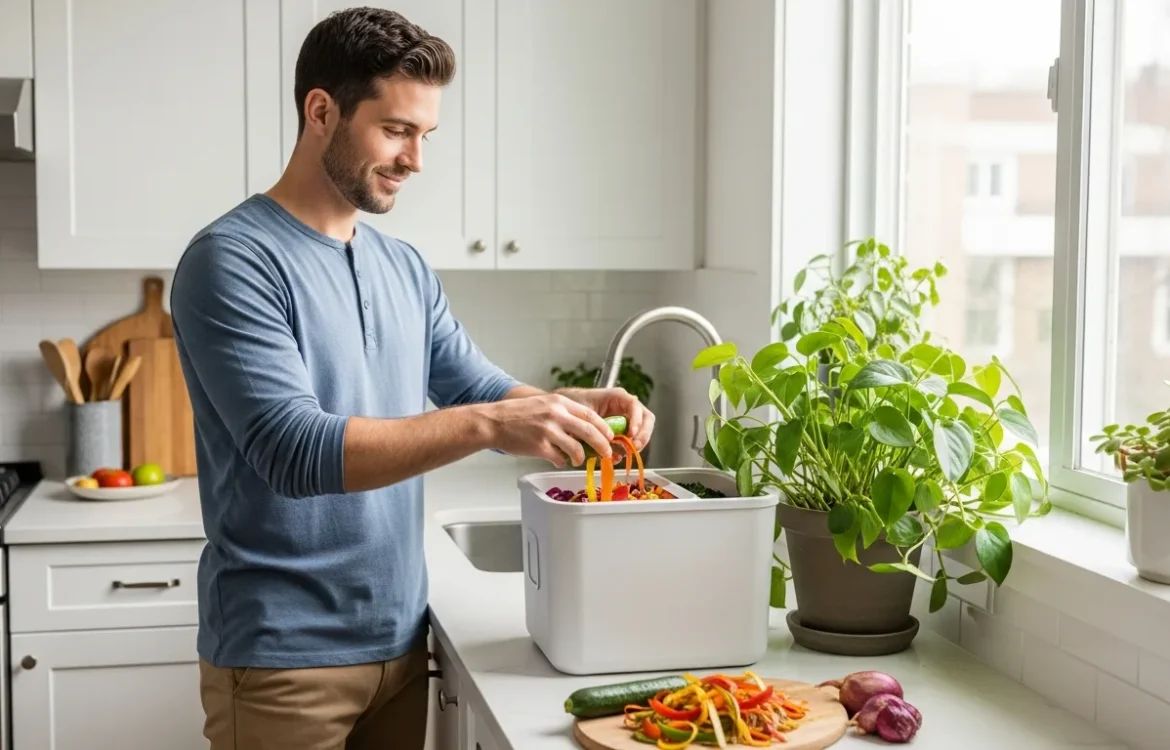
How Can You Turn Kitchen Scraps into Nutrient-Rich Fuel for Your Apartment Plants?
Transforming Food Waste into Plant Power
In 2026, the modern renter is more conscious than ever about his environmental footprint. Living in a high-rise or a compact studio shouldn’t stop him from practicing sustainability. One of the most effective ways to bridge the gap between urban living and nature is by repurposing kitchen scraps. Instead of tossing organic waste into the bin, a savvy gardener can use these materials to nourish his indoor jungle.
When a renter starts organizing his space, he might look at his essential kitchen items and wonder what to do with the organic waste left behind after meal prep. By understanding the nutrient profile of common scraps, he can create a customized feeding schedule for his plants without spending a dime on commercial fertilizers.
Top Kitchen Scraps for Your Indoor Garden
Not all food waste is created equal. For apartment dwellers, the goal is to provide nutrients without attracting pests or creating unpleasant odors. Here are the most effective scraps for indoor use:
Coffee Grounds for Nitrogen Boosts
If he enjoys a fresh brew every morning, he has a goldmine of nitrogen. Used coffee grounds are excellent for acid-loving plants like African violets or ferns. However, he should never dump wet grounds directly onto the soil, as this can lead to mold. Instead, he should spread them out to dry completely before mixing a small amount into the top inch of the potting mix.
Eggshells for Calcium Strength
Calcium is vital for cell wall strength in plants. After he finishes his breakfast, he should rinse the eggshells thoroughly to remove any residue. Once dry, he can crush them into a fine powder using a mortar and pestle or a blender. This powder can be sprinkled around the base of plants to prevent blossom end rot and strengthen stems.
Banana Peel Tea
Banana peels are packed with potassium, which aids in overall plant health and flowering. Since burying a whole peel in a small pot might cause rot, the better method is to create a “tea.” He can simply soak the peels in a jar of water for 24 to 48 hours, then use that liquid to water his plants. This provides a quick-acting nutrient boost that is completely odorless.
Managing Scraps in Small Spaces Without the Smell
The biggest concern for any apartment resident is the potential for bad smells or fruit flies. Repurposing waste is a smart way for a tenant to reduce his overall living expenses while maintaining a lush indoor garden, but it must be done correctly. To keep his home fresh, he should follow these simple rules:
- Avoid Dairy and Meat: Never use animal products as fertilizer for indoor plants. They will rot and create a significant odor.
- Small Batches: Only process what his plants can actually use within a week.
- Dry Everything: Moisture is the enemy in a small apartment. Drying scraps before use prevents fungal growth.
- Top Dressing: Always cover scraps with a thin layer of fresh potting soil or decorative pebbles to create a barrier.
The Benefits of Indoor Composting
For the more ambitious renter, small-scale composting is an option even in a tiny kitchen. Bokashi bins or small vermicomposters (using red wiggler worms) are designed for indoor use. A man who takes this route will find that he can process almost all his vegetable trimmings into high-quality castings or compost tea. This closed-loop system ensures that his plants receive a diverse range of micronutrients that single-source scraps might lack.
Frequently Asked Questions
Can I put raw vegetable peels directly into my plant pots?
It is not recommended for indoor plants. Raw peels take a long time to break down in a pot and can attract gnats. It is better to dry and grind them first or soak them to make a nutrient-rich water.
How often should I feed my plants with kitchen scraps?
He should treat scrap-based fertilizers like any other plant food. During the growing season (spring and summer), once every two weeks is usually sufficient. In the winter, he should scale back to once a month or stop entirely as the plants go dormant.
Will using coffee grounds make my soil too acidic?
Used coffee grounds are actually closer to pH neutral than fresh grounds, as the acid is mostly extracted into the coffee he drinks. However, he should still use them sparingly—no more than a tablespoon for a medium-sized pot—to avoid any significant shifts in soil chemistry.
What is the easiest scrap to start with for a beginner?
Banana peel water is the easiest entry point. It requires no special equipment, creates no mess, and is very difficult to over-apply, making it safe for almost all common houseplants.