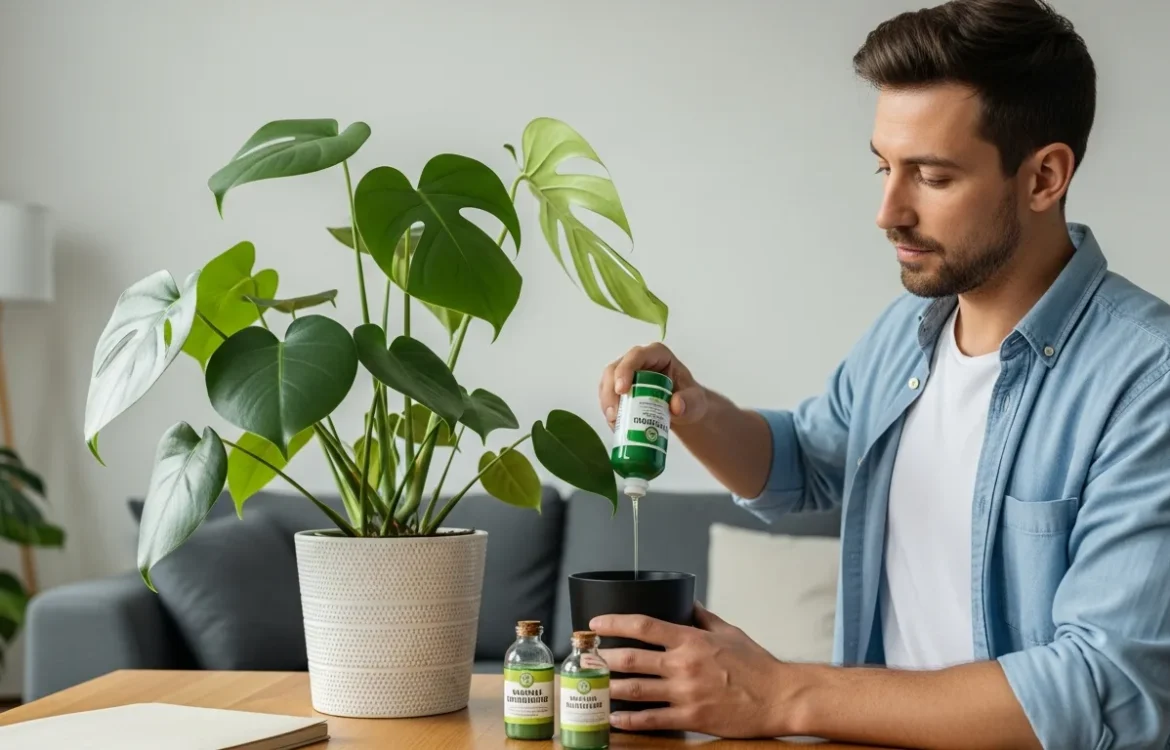
Which Organic Fertilizers Actually Work for Indoor Apartment Plants?
Why Organic Fertilizers are the Superior Choice for Renters
Walking into a living room filled with vibrant, deep green foliage is a sign that a man knows how to care for his space. However, in the confined quarters of an apartment, using synthetic fertilizers can lead to a buildup of mineral salts that eventually dehydrate and kill a plant. Organic fertilizers work differently; they feed the soil microbiome, creating a sustainable ecosystem within the pot.
For the urban gardener, the primary concern is often the smell and the mess. Unlike the heavy manure used in outdoor farming, modern organic options for indoor use are refined, concentrated, and often completely odorless. He can maintain a thriving indoor jungle without turning his studio into a barnyard.
Liquid Seaweed and Kelp Extracts
If a man wants immediate results without the risk of burning his plants, liquid seaweed is the gold standard. It is packed with over 60 trace minerals and growth hormones that stimulate root development and increase resistance to pests. Because it is a liquid, the plant absorbs the nutrients almost instantly through both the roots and the leaves.
- Best for: Reviving stressed plants or boosting growth in spring.
- Application: Mix with water according to the bottle instructions and apply during the regular watering cycle.
- Pro Tip: It is nearly impossible to over-fertilize with kelp, making it perfect for those still learning the ropes of indoor apartment gardening.
Worm Castings: The Odorless Powerhouse
Worm castings, or vermicompost, are essentially the waste produced by earthworms. While that might sound unappealing, it is actually a rich, soil-like material that is completely odorless and incredibly potent. It provides a slow-release source of nitrogen, phosphorus, and potassium.
A man can simply sprinkle a handful of castings onto the surface of the soil and scratch it in. Every time he waters, a small dose of nutrients is delivered directly to the roots. This method is exceptionally clean, making it ideal for high-end apartments where dirt on the carpet is not an option.
Fish Emulsion (Deodorized Versions)
Fish emulsion is a thick, nitrogen-heavy liquid made from fish processing byproducts. It is famous for its ability to turn a pale, yellowing plant into a lush green specimen in a matter of days. In the past, the smell was a dealbreaker for apartment dwellers. However, many brands now offer deodorized versions specifically for indoor use.
He should look for “hydrolyzed fish fertilizer,” which is processed at lower temperatures to preserve more nutrients and reduce the pungent aroma. It is the ultimate fuel for high-foliage plants like Monstera or Fiddle Leaf Figs.
Kitchen Scraps and DIY Organic Teas
A resourceful man doesn’t always need to visit a garden center to find high-quality nutrients. Many items he already has in his kitchen can be repurposed to feed his plants. For instance, crushed eggshells provide a slow-release calcium boost, while cooled coffee grounds can add a touch of acidity to plants like ferns or African violets.
One of the most effective ways to save money is to reuse kitchen scraps for apartment plants by creating a simple compost tea. Soaking banana peels in water for 24 hours creates a potassium-rich liquid that encourages flowering and strengthens stems. It is a sustainable, zero-waste approach to plant care that fits perfectly into a modern lifestyle.
The Importance of Timing and Dosage
Even with organic options, more is not always better. Most indoor plants go through a dormant phase during the winter months when light levels are lower. During this time, he should stop fertilizing entirely. Forcing a plant to grow when it doesn’t have enough light leads to weak, leggy stems that are prone to breaking.
The best practice is to start fertilizing in early spring and continue through late summer. By following a consistent schedule, he ensures his plants have the energy they need to produce new leaves and maintain their structural integrity throughout the year.
Frequently Asked Questions
Do organic fertilizers attract bugs in an apartment?
Generally, no. As long as the fertilizer is properly incorporated into the soil or diluted in water, it shouldn’t attract pests. However, over-watering combined with organic matter can lead to fungus gnats, so he should always let the top inch of soil dry out between waterings.
How often should I fertilize my indoor plants?
During the growing season (spring and summer), once every two to four weeks is usually sufficient for most organic liquids. Slow-release options like worm castings only need to be applied once every three months.
Can I use outdoor fertilizer for my indoor plants?
It is not recommended. Outdoor fertilizers are often much more concentrated and can contain strong-smelling organic components like blood meal or unrefined manure that are unpleasant in a confined indoor space.