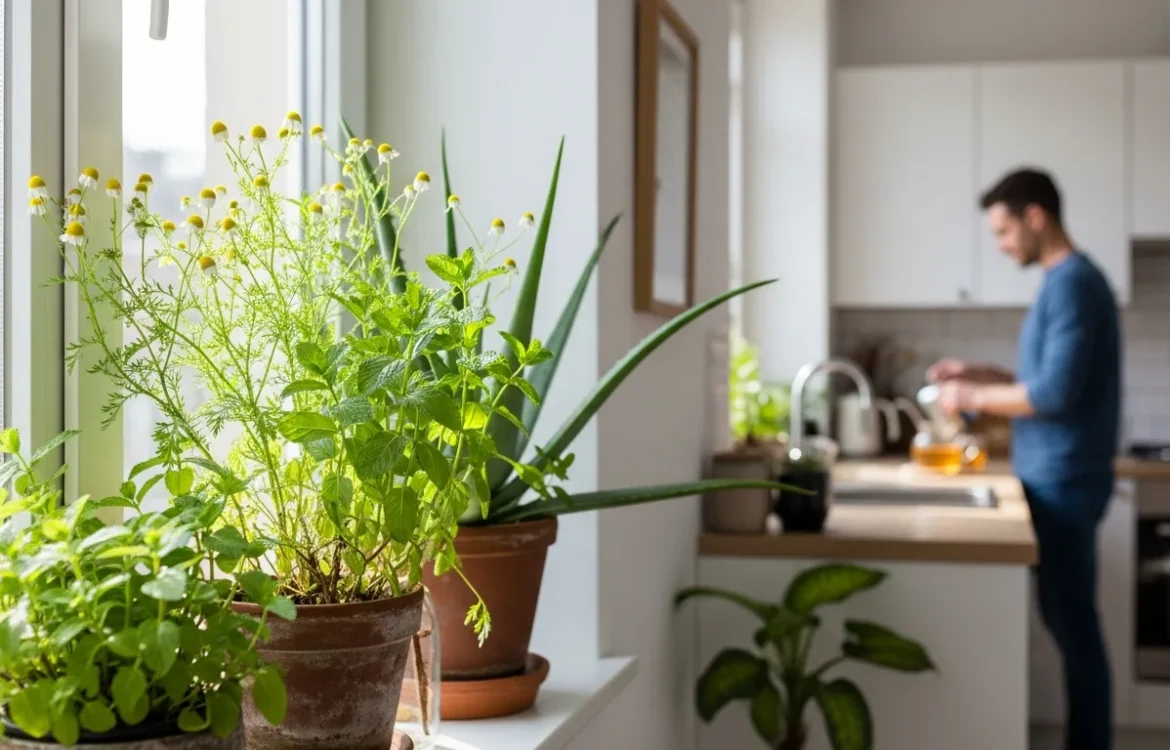
Which Medicinal Herbs Thrive Best in a Small Apartment?
The Power of a Windowsill Apothecary
A man does not need a sprawling backyard to cultivate a functional apothecary. Even in a compact studio, he can grow a variety of plants that offer immediate health benefits. Modern apartment living often feels disconnected from nature, but bringing medicinal greenery indoors serves a dual purpose: it cleans the air and provides a ready supply of natural remedies for common ailments.
Success starts with selecting the right species. Not every herb survives the dry air or limited light of an urban rental. By focusing on hardy, high-yield plants, he can ensure his indoor garden remains both productive and aesthetically pleasing. Once he has chosen his plants, mastering the basics of how to care for indoor apartment herb garden setups ensures his harvest remains potent year-round.
Peppermint: The Digestive Powerhouse
Peppermint is perhaps the easiest medicinal herb for a beginner to grow. It is notoriously vigorous and thrives in containers, which prevents it from overtaking other plants. For the apartment dweller, peppermint is a must-have for treating digestive upset, bloating, and tension headaches.
- Light: Prefers bright, indirect light but can tolerate partial shade.
- Water: Keep the soil consistently moist but not waterlogged.
- Usage: He can steep fresh leaves in hot water for a potent tea that soothes the stomach after a heavy meal.
Aloe Vera: The Living First Aid Kit
Every man should have an Aloe Vera plant in his kitchen or bathroom. Known as the “plant of immortality,” its thick, succulent leaves contain a clear gel that is unparalleled for treating minor burns, cuts, and skin irritations. It is incredibly resilient and requires very little maintenance, making it ideal for a busy lifestyle.
Aloe thrives on neglect. He should place it in a sunny spot and only water it when the soil is completely dry. Because it stores water in its leaves, it can survive if he forgets to water it for a week or two. It also acts as a natural air purifier, removing toxins like formaldehyde from the indoor environment.
Lemon Balm: Natural Stress Relief
If he finds the city hustle overwhelming, Lemon Balm is his best friend. A member of the mint family, this herb has a gentle citrus scent and is widely used to reduce anxiety and improve sleep quality. It grows quickly and can be harvested frequently to encourage bushier growth.
If his unit lacks direct sun, he should focus on selecting the best low-light herbs for apartment kitchens to avoid leggy, weak growth. Lemon Balm is relatively flexible but performs best with at least five hours of light. He can crush the leaves to release the essential oils for aromatherapy or brew them into a calming evening tonic.
Thyme: The Respiratory Specialist
Thyme is a compact, woody perennial that fits perfectly on a narrow windowsill. Beyond its culinary uses, Thyme is a potent antiseptic. It contains thymol, which is frequently used in mouthwashes and cough drops. It is highly effective for soothing sore throats and clearing chest congestion.
- Drainage: Thyme hates “wet feet.” He must use a pot with excellent drainage and a sandy soil mix.
- Harvesting: Snip the woody stems just before the plant flowers for the highest concentration of medicinal oils.
- Application: A Thyme-infused steam inhalation can help clear sinuses during flu season.
Essential Tips for Apartment Herb Success
To keep these medicinal plants thriving, he needs to mimic their natural environment. Most medicinal herbs originate from the Mediterranean, meaning they crave light and well-drained soil. Overwatering is the most common mistake; he should always check the soil moisture with his finger before reaching for the watering can.
Air circulation is also vital. Apartments can become stagnant, leading to mold or pest issues like spider mites. He can use a small desk fan to keep air moving around his plants, which strengthens their stems and prevents fungal growth. Regular harvesting is not just for use; it encourages the plant to produce new, healthy growth rather than becoming tall and spindly.
Frequently Asked Questions
Which medicinal herb is hardest to kill in an apartment?
Aloe Vera is the most resilient. It requires minimal watering and can handle the dry air typical of heated apartments during winter.
Can I grow medicinal herbs without a balcony?
Yes. Most medicinal herbs like Peppermint, Lemon Balm, and Thyme grow perfectly well on a south-facing windowsill or under a simple LED grow light.
How do I use these herbs for medicine?
The most common methods for an apartment dweller are brewing teas (infusions), creating topical poultices with crushed leaves, or using steam inhalations for respiratory relief.
Do indoor herbs need special fertilizer?
He should use an organic liquid fertilizer diluted to half-strength once a month during the spring and summer. Avoid over-fertilizing, as this can diminish the concentration of medicinal oils in the leaves.