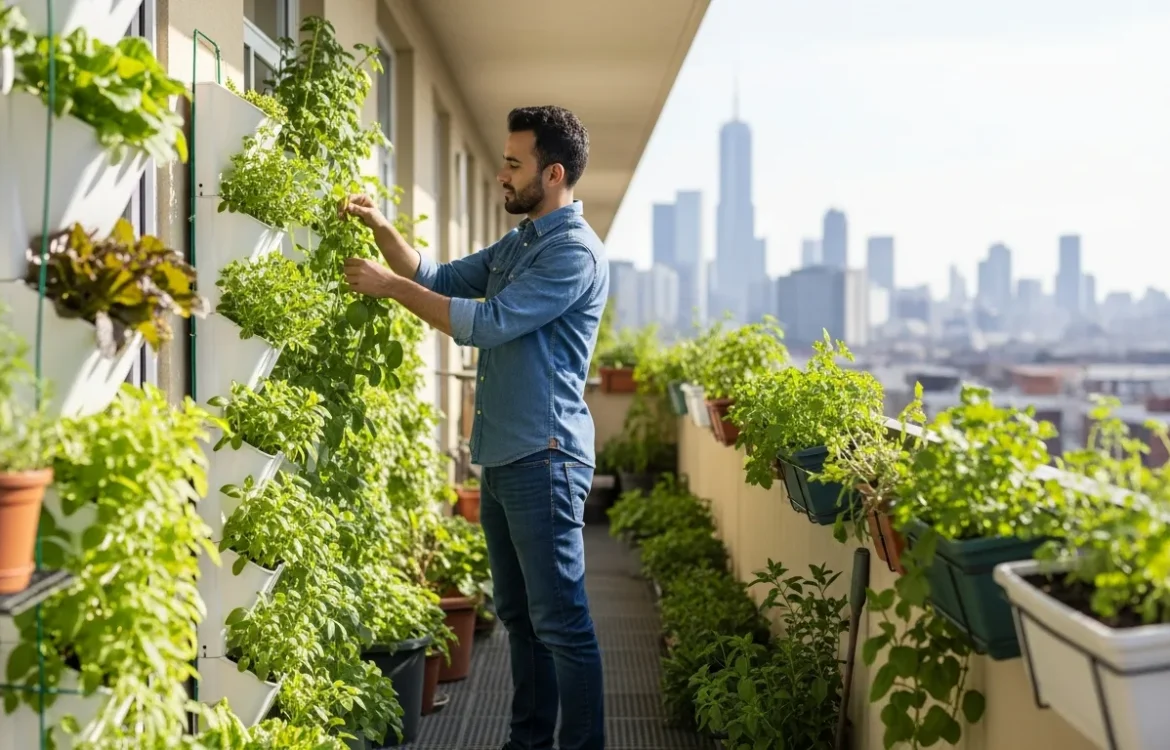
How Can You Start a Productive Patio Garden in a Small Apartment?
Evaluate Your Sunlight Exposure
Before a man buys his first bag of soil, he must understand the light profile of his patio. Sunlight is the primary fuel for any garden, and in an apartment setting, it is often limited by neighboring buildings or overhead balconies. He should track the sun’s movement for a full day to see how many hours of direct light hit the floor and walls.
Most edible plants, like tomatoes and peppers, require at least six to eight hours of direct sun. If the patio is shaded for most of the day, he should pivot toward leafy greens like spinach, kale, or various herbs that tolerate lower light levels. Knowing the orientation of the building—whether it faces North, South, East, or West—will dictate exactly what he can grow successfully.
Selecting the Right Containers
Space is a premium commodity on an apartment patio. A man needs to choose containers that maximize his square footage without overloading the structural capacity of the balcony. Lightweight materials like resin, fiberglass, or high-quality plastic are often better choices than heavy terracotta or stone. Mastering an apartment container gardening guide is the first step toward a successful harvest, as it helps him understand the balance between pot size and plant health.
- Drainage: Every pot must have holes at the bottom. Without them, water settles, and roots rot.
- Size: A pot that is too small will dry out in hours; one that is too large might be too heavy to move.
- Verticality: He can use tiered shelving or wall-mounted planters to grow upward rather than outward.
Choosing Plants That Thrive in Small Spaces
A beginner should start with high-yield, low-maintenance plants. Herbs are the perfect entry point. Basil, mint, rosemary, and chives grow quickly and can be used immediately in his cooking. They don’t require deep soil and generally resist pests better than larger vegetables.
If he wants to grow food, he should look for “patio” or “determinate” varieties of vegetables. These are specifically bred to stay compact. For example, cherry tomatoes or bush beans provide a significant yield without taking over the entire seating area. He should avoid sprawling vines like pumpkins or standard watermelons unless he has a massive terrace and heavy-duty trellising.
The Secret to Soil and Drainage
Never use dirt from the ground. It is too heavy, lacks proper aeration, and often carries pests or weed seeds. Instead, a man should invest in high-quality potting mix. This medium is designed to be light and fluffy, allowing roots to expand easily while retaining just enough moisture.
To prevent water from staining the patio floor or dripping onto the neighbor below, he must use saucers under every pot. He should also learn how to water apartment balcony plants without making a mess to keep his living space clean and his neighbors happy. Using a watering can with a long neck allows him to target the base of the plant directly, reducing splash and waste.
Maintenance and Consistency
An apartment patio garden is a micro-environment. Because pots have limited soil, they dry out much faster than a traditional garden bed. During the heat of summer, he might need to water his plants every morning. He should stick his finger an inch into the soil; if it feels dry, it’s time to water.
Regular feeding is also necessary. Nutrients wash out of the soil every time he waters. Using a liquid organic fertilizer every two weeks will keep his plants vibrant and productive throughout the growing season. He should also keep an eye out for common pests like aphids or spider mites, catching them early with a simple spray of neem oil or soapy water.
Frequently Asked Questions
What are the easiest vegetables to grow on a balcony?
Lettuce, radishes, and cherry tomatoes are excellent for beginners. They grow quickly and don’t require deep root systems, making them ideal for standard pots.
Can I grow a garden on a north-facing patio?
Yes, but he will be limited to shade-tolerant plants. Ferns, hostas, and certain herbs like parsley and mint can survive with minimal direct sunlight.
How do I protect my plants from high winds?
He should use heavier pots for tall plants and secure them to the railing with zip ties or bungee cords. Grouping pots together also creates a windbreak that protects the more fragile stems.
Do I need to worry about the weight of my pots?
Most modern balconies are built to handle significant weight, but he should avoid using massive concrete planters. Sticking to potting soil and lightweight containers is usually safe for any standard apartment structure.