How Can You Reclaim Your Privacy on a Shared Patio?
The Challenge of the Shared Outdoor Space
Shared patios are a double-edged sword. While they offer a breath of fresh air, they often feel like a communal fishbowl. He steps outside for a quiet morning coffee, only to find his neighbor already positioned for a twenty-minute interrogation about his work schedule or weekend plans. It is frustrating when a personal sanctuary feels like a public stage.
Reclaiming this space requires a tactical approach. He needs to balance physical barriers with social engineering to ensure he can enjoy his outdoor area without feeling like he is under constant surveillance. The goal is to signal that the space is occupied and private without being overtly hostile.
Strategic Use of Physical Barriers
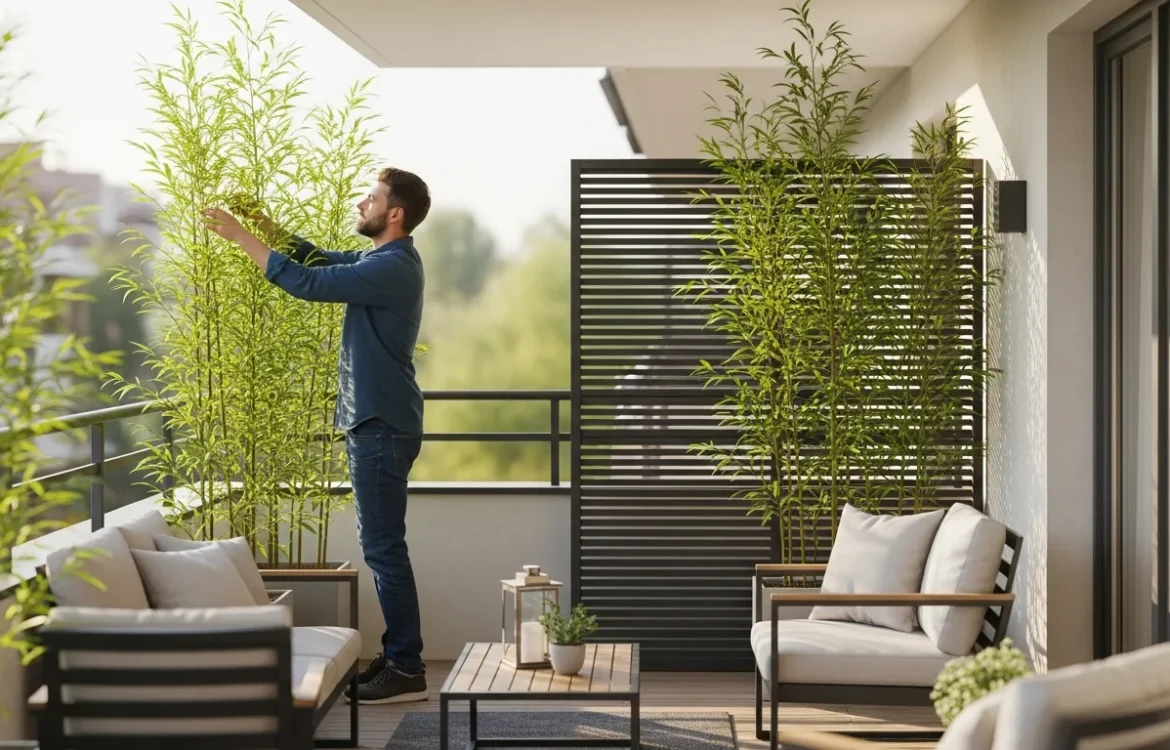
The most immediate way to stop a nosy neighbor is to break his line of sight. If the neighbor cannot see what he is doing, he is less likely to strike up a conversation. Tall, dense greenery is the most effective and least aggressive way to accomplish this. Large planters filled with bamboo, tall grasses, or snake plants create a natural wall that feels like decor rather than a middle finger to the guy next door.
One of the most effective ways to block a neighbor’s view is to create privacy on a ground-floor apartment patio using modular screens or trellis systems. These can be moved as needed and provide a clear physical boundary that defines his territory. If the lease allows, hanging outdoor curtains or using a retractable side awning can provide total seclusion during the hours he uses the patio most.
Mastering the Art of the Short Interaction
Physical barriers are great, but they don’t stop a neighbor who likes to lean over the railing or shout across the gap. He must master the “polite but busy” persona. When the neighbor starts a conversation, he should keep his responses brief and non-committal. Instead of engaging in a long story, he can offer a quick nod and a short sentence.
Key tactics for ending unwanted chats:
- The “On a Call” Move: Keeping a pair of visible over-ear headphones on is a universal signal for “do not disturb.” Even if he isn’t listening to anything, the neighbor will think twice before interrupting.
- The Time Limit: He can start the interaction by saying, “Hey, I’ve only got a minute before I have to jump on a call,” which sets an immediate expiration date on the conversation.
- The Physical Pivot: He should keep his body angled away from the neighbor’s side of the patio. Facing toward his own door or a book makes him appear less available for social interaction.
Check the Rules Before You Build
Before he spends a fortune on 6-foot tall cedar screens or heavy planters, he needs to ensure he isn’t violating any building codes. Many apartment complexes have strict rules about what can be placed on a patio and how high it can go. He should review the apartment balcony rules before decorating to avoid fines or a forced removal of his new privacy setup.
If permanent structures are banned, he should look into “temporary” solutions. Tension rods with light fabric or folding room dividers are often categorized as furniture rather than structural changes, making them a safer bet for a renter who wants to avoid a confrontation with the property manager.
Using Sound and Light to Create a Bubble
Privacy isn’t just about what the neighbor sees; it’s about what he hears. If the neighbor is close enough to hear every word of a private phone call, the patio will never feel private. A small, battery-operated white noise machine or a tabletop water fountain can provide enough ambient sound to mask conversations. This creates an acoustic barrier that makes the neighbor feel like he is further away than he actually is.
Lighting also plays a role. At night, he should avoid bright overhead lights that illuminate the entire shared area. Instead, he can use low-level LED strips or small lanterns positioned close to his seating area. This keeps his side of the patio in a soft glow while leaving the rest of the space in shadow, naturally discouraging the neighbor from peering over to see what he is doing.
When to Have a Direct Conversation
If the neighbor is consistently crossing lines—such as walking onto his side of the patio or touching his property—a direct conversation is necessary. He should keep it professional and focused on the space, not the person. A simple, “Hey, I prefer to keep this side of the patio clear so I can focus on my work,” is often enough to set a firm boundary. Most people will back off once they realize their behavior has been noted and is unwelcome.
Frequently Asked Questions
Can I legally block my neighbor’s view on a shared patio?
In most cases, yes, as long as the barrier is not a permanent structure and complies with your lease agreement. Using portable screens or potted plants is generally permitted because they are considered personal property, not structural alterations.
How do I tell my neighbor to stop talking to me without being rude?
The best way is to use a “busy signal.” Wearing headphones or holding a book are clear non-verbal cues. If he still talks, keep your answers to one word and eventually say, “I’m going to get back to this now, have a good one,” and turn away.
What are the best plants for patio privacy?
Bamboo is excellent for height and density, but it grows fast. Snake plants are great for low-maintenance height. If he wants something thicker, an arborvitae in a large pot provides a year-round green wall that is difficult to see through.