How to Optimize One Bedroom Apartment Design Plans for Maximum Space?
Mastering the Layout of Your One-Bedroom Space
A one-bedroom apartment is the ultimate blank canvas for a man who values both privacy and efficiency. Unlike a studio, where the bed is often the centerpiece of the entire living area, a one-bedroom allows for distinct separation between rest and recreation. However, without a solid plan, even a spacious 700-square-foot unit can feel cramped and disorganized.
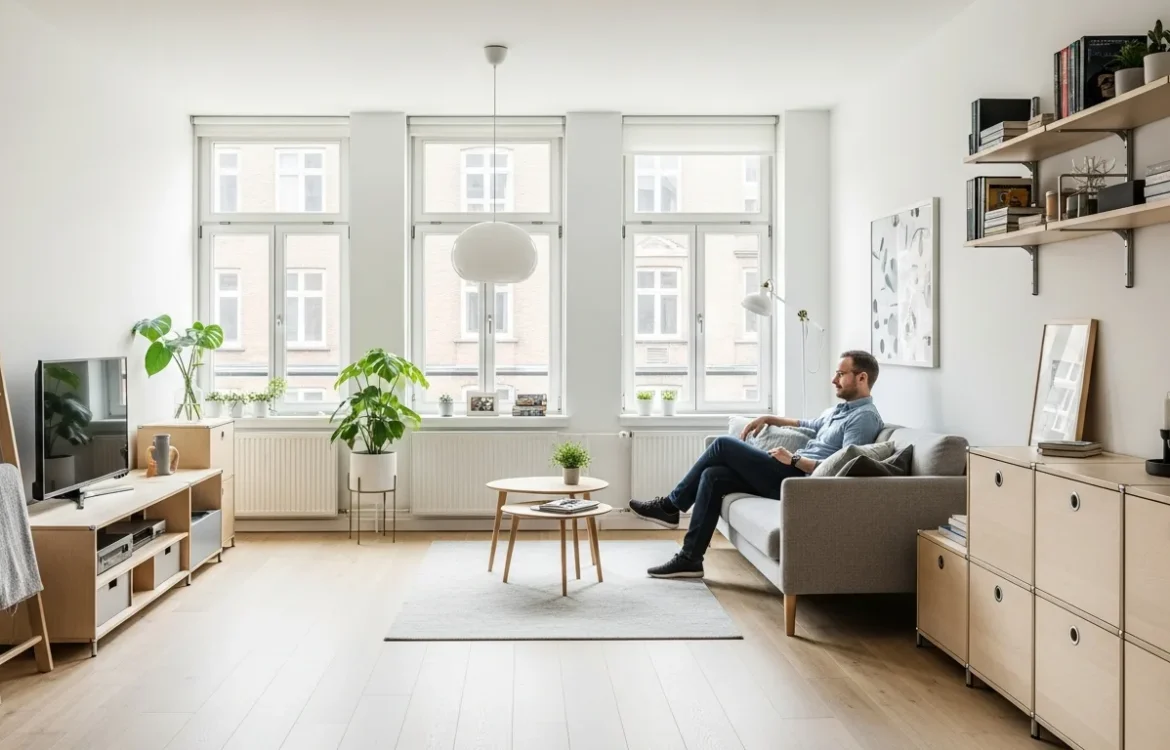
The key to successful one bedroom apartment design plans lies in zoning. He must define where work ends and relaxation begins. This is often achieved through the strategic placement of furniture rather than physical walls. For instance, a low-profile bookshelf can act as a divider between a home office nook and the main seating area, providing structure without blocking natural light.
Zoning for Functionality and Flow
When reviewing floor plans, look for the “path of travel.” This is the invisible line he walks from the front door to the kitchen, or from the bedroom to the bathroom. A well-designed plan ensures these paths are clear of obstacles.
- The Entryway: Even a small hallway can serve as a transition zone. Use a slim console table or a wall-mounted rack for keys and coats to prevent clutter from migrating into the living room.
- The Living-Dining Hybrid: Most modern layouts combine these two. Instead of a massive dining table, he might opt for a round table that doubles as a workspace, or a bar-height counter with stools to save floor space.
- The Bedroom Retreat: This should be a low-traffic zone. Keep the layout simple with a bed, two nightstands, and perhaps a dresser if the closet isn’t sufficient.
If he is still deciding between different types of units, understanding the differences in layout flexibility can help him choose a space that fits his specific lifestyle needs.
Maximizing Vertical Space and Storage
In a one-bedroom apartment, floor space is a premium commodity. To keep the design plan feeling open, he should look upward. Floor-to-ceiling shelving units not only provide massive amounts of storage but also draw the eye higher, making the ceilings feel taller than they actually are.
Multi-functional furniture is a non-negotiable element of a smart design. An ottoman with hidden storage, a bed frame with built-in drawers, or a coffee table that lifts up to become a desk are all excellent ways to pack more utility into the same footprint. He should prioritize pieces that serve at least two purposes to keep the floor plan lean and mean.
The Role of Lighting in Spatial Design
Lighting can completely change the perception of a floor plan. A single overhead light often creates harsh shadows that make corners feel smaller. Instead, a layered approach is essential. By using a mix of floor lamps, table lamps, and perhaps some smart LED strips, he can highlight specific zones of the apartment.
Integrating various creative lighting solutions can help define the mood in the living area versus the bedroom. For example, warm, dimmable lights in the bedroom signal the brain that it’s time to wind down, while brighter, cooler lights in the kitchen or workspace keep him focused and alert.
Choosing the Right Furniture Scale
One of the biggest mistakes a man can make is buying furniture that is too large for the room. A massive sectional sofa might look great in a showroom, but in a one-bedroom apartment, it can swallow the entire living room.
He should measure his space twice before making any purchases. Leggy furniture—sofas and chairs with visible legs—creates a sense of openness because you can see the floor underneath them. This trick prevents the room from feeling “heavy” and allows air and light to circulate more freely throughout the apartment.
Frequently Asked Questions
How do I make a small one-bedroom feel bigger?
Use mirrors to reflect light, stick to a cohesive color palette, and choose furniture with a smaller profile. Keeping the floor as visible as possible is the best way to create the illusion of more space.
What is the best layout for a home office in a one-bedroom?
The best spot is usually a corner of the living room or a nook near a window. Use a rug to visually separate the office area from the rest of the room so work doesn’t feel like it’s taking over the living space.
Should I use a rug in a small apartment?
Yes, rugs are essential for defining zones. A large rug in the living area anchors the furniture and makes the space feel like a dedicated room rather than just a corner of a larger area.