How Can You Lower Your Electric Bill in a Garden Style Apartment?
Master the Thermostat Strategy
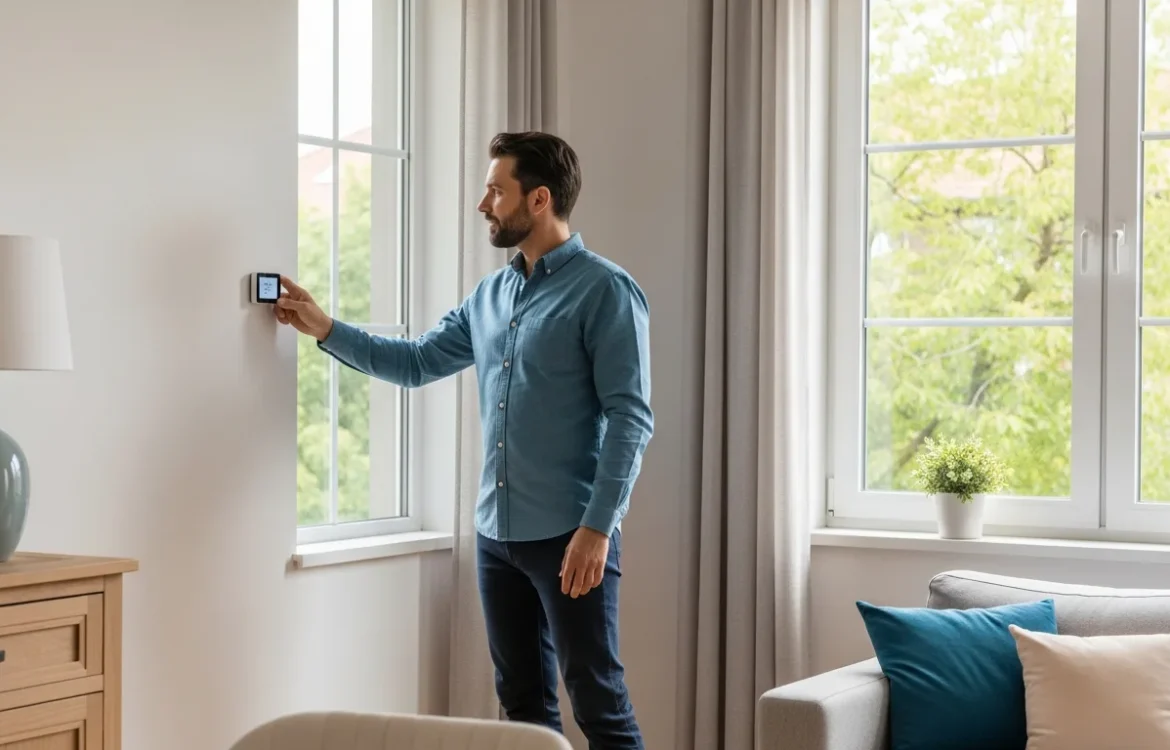
Heating and cooling typically account for the largest portion of a utility bill. In a garden-style apartment, a man often deals with older HVAC units that may not be as efficient as those in modern high-rises. To combat this, he should aim for a consistent temperature rather than cranking the AC or heat up and down. Setting the thermostat to 78°F in the summer and 68°F in the winter while he is home is the sweet spot for most budgets.
If the lease allows, he should swap the basic dial for a programmable thermostat. This allows him to schedule lower energy usage while he is at work or asleep. Even a 7 to 10-degree adjustment for eight hours a day can shave up to 10% off his annual energy costs. He just needs to remember to keep the original unit to reinstall before he moves out.
Seal the Leaks and Block Drafts
Garden-style units often have multiple exterior walls and direct-access doors, which means more opportunities for air to escape. He should inspect the weatherstripping around his front door and windows. If he can see daylight through the cracks, he is literally paying to heat or cool the outdoors. He can significantly reduce heat loss by using renter-friendly ways to block drafty doors, which keeps the conditioned air where it belongs.
For windows, heavy thermal curtains are a game-changer. During the summer, he should keep them closed on the sunny side of the apartment to block solar heat gain. In the winter, opening them during the day lets the sun naturally warm the space, while closing them at night adds an extra layer of insulation against the glass.
Optimize Lighting and Kill Vampire Power
One of the easiest wins for a tenant is switching to LED bulbs. If the apartment still uses old incandescent or CFL bulbs, he should replace them immediately. LEDs use at least 75% less energy and last 25 times longer. He can store the landlord’s cheap bulbs in a box and put them back when his lease ends.
He also needs to be wary of “vampire power”—the energy consumed by electronics even when they are turned off. To stop this drain, he should use smart power strips for his entertainment center and home office. These strips automatically cut power to peripherals like printers or speakers when the main device (like a PC or TV) is turned off, ensuring he isn’t paying for electricity he isn’t actually using.
Leverage the Layout and Environment
The unique structure of these buildings plays a role in energy consumption. Understanding if garden apartments are cheaper to heat or cool depends heavily on his floor level and the surrounding landscaping. For example, a ground-floor unit stays naturally cooler because the earth acts as an insulator, but it may require more heating in the winter.
- Use Ceiling Fans: He should ensure the fan rotates counter-clockwise in the summer to create a cooling breeze and clockwise in the winter to push warm air down.
- Clean the Filters: A clogged HVAC filter forces the motor to work harder. He should change it every 30 to 90 days to maintain peak efficiency.
- Strategic Cooking: In the summer, he should avoid using the oven during the hottest parts of the day. Using a microwave, air fryer, or outdoor grill keeps the indoor temperature from spiking.
Smart Appliance Habits
How a man handles his chores directly impacts his monthly statement. He should only run the dishwasher and washing machine when they are completely full. Washing clothes in cold water is another easy win, as about 90% of a washing machine’s energy goes toward heating the water. If his garden-style apartment has a private patio, he might even consider a foldable drying rack to skip the dryer cycle entirely during the warmer months.
Frequently Asked Questions
Does a ground-floor garden apartment cost more to heat?
Generally, yes. Because ground-floor units are in contact with the cooler earth and don’t benefit from the rising heat of neighbors below, they can be chillier in the winter. However, they are often much cheaper to cool in the summer.
Will my landlord pay for energy-efficient upgrades?
Most landlords won’t pay for small items like LED bulbs or draft stoppers, but they might be open to professional weatherstripping or HVAC servicing if he explains it will prevent long-term wear and tear on the building’s systems.
How much can I save by switching to LEDs?
A man can typically save between $5 and $10 per month just by swapping out the most frequently used bulbs in his apartment. Over a year, that covers a significant portion of a single month’s utility bill.