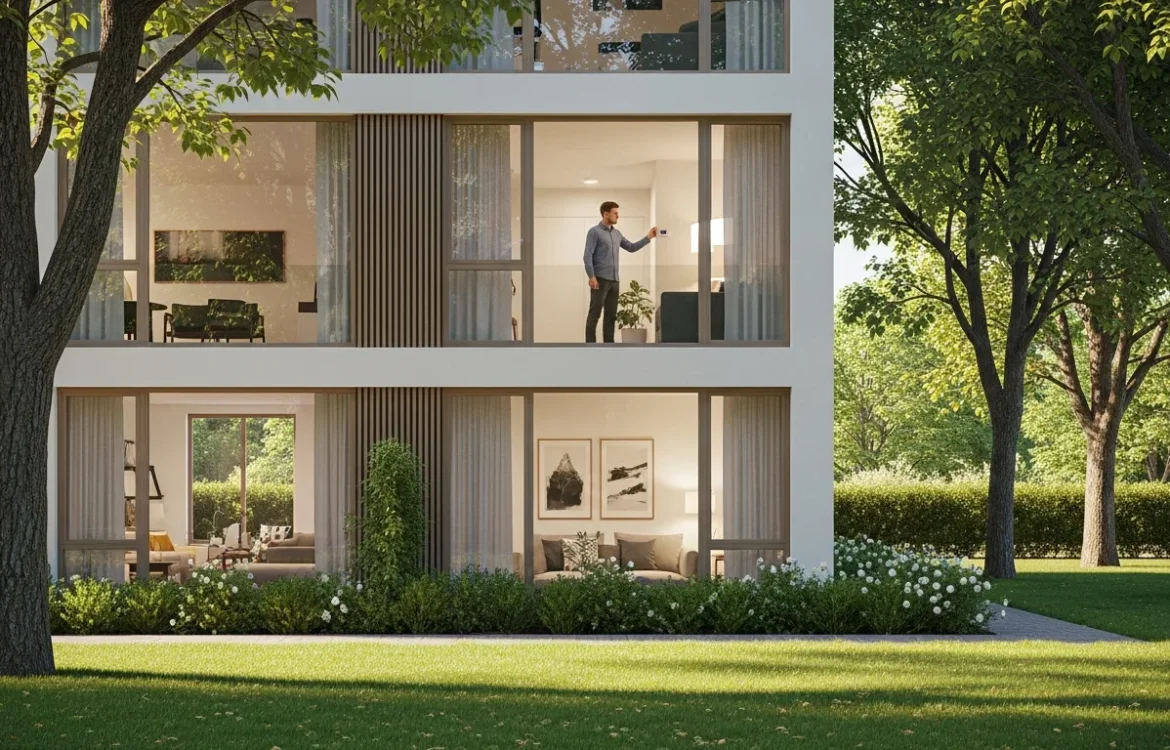
Are Garden Apartments Cheaper to Heat or Cool?
The Thermal Dynamics of Garden-Level Living
Choosing a new home often involves a trade-off between aesthetic appeal and monthly overhead. For the savvy renter in 2026, understanding the thermal dynamics of his living space is essential. Garden apartments, which are typically situated at ground level or partially below grade, offer a unique environment compared to their high-rise counterparts. Because these units are nestled closer to the earth, they benefit from the planet’s natural insulation, a concept known as thermal mass.
When a man considers his budget, he often asks how much utilities for an apartment will impact his bottom line. The answer for a garden unit is largely dictated by the season. These spaces interact with the surrounding soil, which maintains a relatively constant temperature year-round, unlike the air that fluctuates wildly with the weather.
Why Cooling Costs Are Often Lower in Garden Units
In the peak of summer, the garden apartment is often the most comfortable place in the building. Heat naturally rises, meaning the top-floor tenants often struggle with sweltering temperatures while the man on the ground floor enjoys a natural chill. Because his unit is shielded from direct solar radiation by the floors above him and often by surrounding landscaping or trees, his air conditioner doesn’t have to work nearly as hard.
Furthermore, being partially underground allows the earth to act as a heat sink. The soil absorbs the warmth from the unit, keeping the interior significantly cooler. This results in a noticeable reduction in electricity usage during the hottest months. He may find that he rarely needs to crank his cooling system to the maximum, leading to substantial savings on his monthly power bill.
The Challenge of Heating a Below-Grade Space
While the garden apartment excels in the summer, the winter presents a different set of challenges. Because heat rises, the warmth generated by his furnace or heaters tends to escape toward the ceiling and into the units above him. Additionally, the ground, while insulating, can feel quite cold during the winter months. If the unit is not properly sealed, he may find that his floors feel chilly to the touch.
To combat this, he must be proactive. Utilizing heavy rugs and ensuring that his windows are well-insulated can help trap the heat where he needs it most. While he might spend slightly more on heating compared to a middle-floor neighbor who is sandwiched between two warm units, the overall annual balance often tips in favor of the garden apartment when summer savings are factored in.
Comparing Garden Units to Upper-Floor Apartments
When comparing a garden unit to a penthouse or a standard mid-level flat, the energy profile is distinct. The upper-floor resident deals with the “stack effect,” where heat accumulates at the top of the building. In 2026, with rising energy costs, the man living in a garden apartment often finds he has a more predictable utility bill. He is less affected by high winds that can strip heat from higher, more exposed units.
However, he should be aware of humidity. Ground-level units can sometimes be more prone to dampness. By using a dehumidifier, he can maintain a comfortable atmosphere without significantly increasing his energy consumption. By understanding these thermal principles, he can implement strategies to save money on utilities throughout the year, regardless of the building’s age.
Actionable Ways to Lower Your Utility Bills
Regardless of which floor he lives on, a tenant can take control of his environment. For the garden apartment dweller, here are a few specific tips to maximize efficiency:
- Use LED Lighting: Garden units can sometimes be darker. Using high-efficiency LEDs provides the light he needs without the heat generated by old-fashioned bulbs.
- Seal the Thresholds: Since he is at ground level, he should check the seals on his doors and windows to prevent drafts from entering his living space.
- Manage Airflow: Using ceiling fans in a counter-clockwise direction during summer can help circulate the naturally cool air found at the ground level.
- Invest in Quality Curtains: Thermal curtains can help keep the heat in during winter and the humidity out during the summer.
Frequently Asked Questions
Are garden apartments always cheaper than upper floors?
Generally, yes. Because they are partially underground and may lack the views of higher units, the base rent is often lower. When combined with lower cooling costs, the total cost of living for a man in a garden unit is usually more affordable.
Do garden apartments stay cool in the summer without AC?
They stay significantly cooler than upper-floor units due to the insulation provided by the earth. While he may still want an air conditioner during a heatwave, he will likely use it less frequently than his neighbors upstairs.
How do I prevent my garden apartment from feeling damp?
A man should ensure his unit has proper ventilation and consider running a dehumidifier. This prevents the “basement smell” and makes the air easier to heat and cool, as dry air holds temperature more effectively than moist air.
Is it harder to get natural light in a garden unit?
It can be, as the windows are lower to the ground. However, this lack of direct sunlight is exactly what makes the unit so much cheaper to cool during the summer months.