How Can You Keep a Garden Level Apartment Dry and Mold-Free?
The Reality of Garden Level Moisture
Living in a garden-level apartment offers unique benefits, such as cooler temperatures during the summer and a private entrance. However, because these units are partially subterranean, they are naturally more susceptible to dampness. If a tenant doesn’t take proactive steps, he might find himself dealing with musty odors, peeling paint, or even mold growth. Keeping the space dry is not just about comfort; it is about protecting his belongings and maintaining a healthy living environment.
Invest in a High-Capacity Dehumidifier
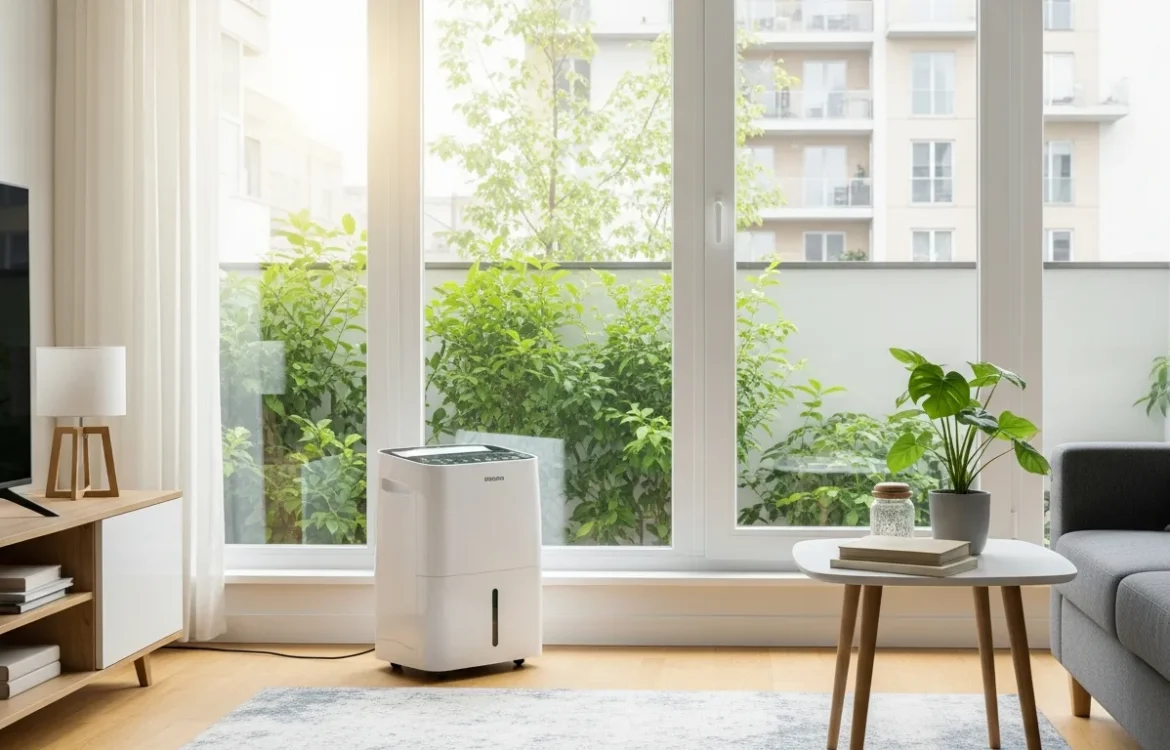
The most effective tool in a renter’s arsenal is a high-quality dehumidifier. Unlike small desktop models, a garden-level unit requires a compressor-based dehumidifier capable of pulling at least 30 to 50 pints of moisture from the air daily. He should look for a model with a built-in humidistat, which allows the device to turn on and off automatically to maintain a specific moisture level.
- Continuous Drainage: If the apartment has a floor drain or a deep sink, he can attach a hose to the dehumidifier so it runs constantly without needing to be emptied manually.
- Placement: Position the unit in the most central area or the room that feels the dampest, typically the bedroom or living area.
Monitor and Manage Humidity Levels
To stay ahead of the dampness, he needs to know exactly what he is fighting. Using a hygrometer—a small, inexpensive device that measures air moisture—is essential. Ideally, the indoor humidity should stay between 30% and 50%. Anything higher than 60% creates a breeding ground for mold and dust mites. Understanding the average humidity in a garden level apartment helps him set realistic goals for his climate control system.
Improve Air Circulation and Ventilation
Stagnant air is the enemy of a dry apartment. When air sits still against cool, underground walls, condensation forms. He can combat this by keeping air moving throughout the day. Using ceiling fans or oscillating floor fans helps distribute dry air from the dehumidifier into every corner.
In the bathroom and kitchen, he must use the exhaust fans every time he showers or cooks. These fans are designed to vent steam directly outside. If the bathroom lacks a fan, he should consider keeping the door open and placing a small fan nearby to pull moisture out of the room immediately after use.
Address External Water Risks
Sometimes the moisture isn’t just in the air; it’s coming through the structure. He should regularly inspect the perimeter of his unit for signs of water intrusion. If he notices damp spots on the lower half of the walls after a heavy rain, he needs to notify his landlord immediately. It is also worth considering if garden level apartments are prone to flooding in his specific geographic area, as this might require additional precautions like sandbags or specialized renter’s insurance.
Daily Habits to Reduce Indoor Dampness
Small changes in daily routines can significantly impact the overall dryness of the space. He should be mindful of activities that release moisture into the air:
- Cooking: Always use lids on pots to keep steam contained and turn on the range hood fan.
- Laundry: He should never air-dry wet clothes inside the apartment, as this releases gallons of water into the air. If he must, he should do it in a room with the dehumidifier running on high.
- Plants: While greenery is great, overwatering indoor plants can contribute to local humidity. He should ensure they have proper drainage and avoid creating a “jungle” effect in a small, poorly ventilated space.
- Furniture Placement: He should pull furniture, like sofas and beds, a few inches away from external walls. This allows air to circulate behind them, preventing condensation and mold from forming on the back of the fabric.
Frequently Asked Questions
Why does my garden level apartment always smell musty?
A musty smell is usually caused by high humidity levels and lack of airflow, which allows microscopic mold spores to thrive. Using a dehumidifier and increasing ventilation will typically eliminate the odor over time.
Can I open windows to dry out the apartment?
He should only open windows if the outdoor humidity is lower than the indoor humidity. On a humid or rainy day, opening the windows will actually bring more moisture into the apartment, making the problem worse.
Is a garden level apartment naturally colder?
Yes, because they are partially underground, they stay naturally cooler in the summer. However, this temperature difference can cause condensation on the walls if the indoor air is too humid.