Are Garden Level Apartments Prone to Flooding? Risk Factors and Prevention
Understanding the Flood Risk of Garden Level Units
When a renter is searching for a new home, the allure of a garden level apartment is often tied to its accessibility and price point. However, a common concern that crosses his mind is whether these units are more susceptible to water damage. By definition, a garden level apartment sits between a basement and a first-floor unit, usually positioned so that its windows are at or just above ground level. While this provides more light than a traditional basement, it also places the living space at the front lines of potential water ingress.
The short answer is yes; garden level apartments are statistically more prone to flooding than their upper-floor counterparts. Because water follows the path of least resistance and gravity pulls it downward, any failure in a building’s drainage system or an extreme weather event will affect the lowest units first. For a man looking into affordable basement-style living spaces, understanding these risks is the first step in making an informed housing decision.
Common Causes of Flooding in Lower-Level Apartments
Flooding in a garden level unit isn’t always the result of a massive storm. Often, it is a combination of structural vulnerabilities and maintenance oversights. Here are the primary drivers of water issues in these units:
- Surface Water Runoff: If the land surrounding the building is not graded correctly, rainwater will flow toward the foundation rather than away from it. This can lead to water pooling against walls and eventually seeping through cracks.
- Hydrostatic Pressure: When the soil around a building becomes saturated, it exerts immense pressure against the foundation. This pressure can force moisture through solid concrete in a process known as seepage.
- Sewer Backups: Garden level units are often the first to experience the consequences of a blocked city main or a failure in the building’s internal plumbing. If the main line clogs, the lowest drain in the building—usually in a garden unit—is where the backup will emerge.
- Window Well Failures: Since windows are at ground level, they are often protected by window wells. If these wells are not kept clear of debris, they can fill with water during a heavy downpour, eventually shattering the glass or leaking through the frame.
How to Assess a Property Before Moving In
A proactive renter can spot red flags before he ever signs a lease. When he tours a potential garden level home, he should pay close attention to the environment both inside and out. He might notice a faint musty odor, which is often the first sign of chronic dampness. He should also look for discoloration along the baseboards or peeling paint near the floor, as these suggest previous water contact.
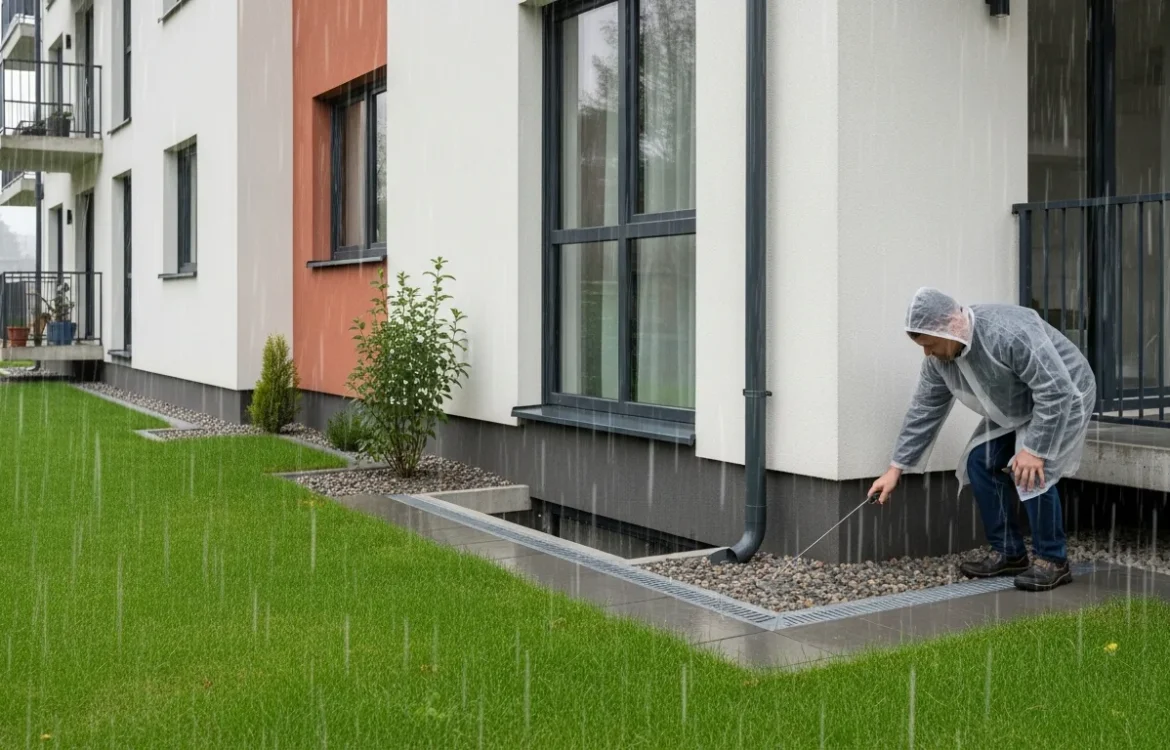
Outside, he should examine the gutters and downspouts. If he sees that the downspouts terminate right at the base of the wall rather than being diverted several feet away, he knows the building is at a higher risk. He should also prepare a list of critical questions to ask during his walkthrough to ensure the landlord has recently serviced the sump pump or cleaned the exterior drains.
Protective Measures for the Savvy Renter
If a man decides that the benefits of a garden level unit outweigh the risks, he should take specific steps to protect his belongings. He should never place high-value electronics or heirloom furniture directly on the floor; using decorative risers or sturdy shelving can save his property in the event of a minor leak.
Furthermore, he must verify his insurance coverage. Standard renter’s insurance policies frequently exclude flood damage caused by external rising water or sewer backups unless a specific rider is added. He should speak with his agent to ensure he has the necessary endorsements to cover his assets in a sub-ground environment.
Frequently Asked Questions
Do all garden level apartments eventually flood?
No. While they are at a higher risk, many garden level units remain dry for decades. The likelihood of flooding depends heavily on the local water table, the quality of the building’s waterproof membrane, and how well the landlord maintains the drainage infrastructure.
What should a renter do if his apartment floods?
He should immediately notify the landlord and document the damage with photos and videos. He should also move his belongings to higher ground if possible and avoid contact with the water if a sewage backup is suspected, as this poses significant health risks.
Are landlords required to disclose previous flooding?
Laws vary by state and municipality. In many jurisdictions, a landlord is required to disclose if a unit is located in a designated flood zone or if it has a history of significant water damage. A renter should research local disclosure laws in his specific city to know his rights.
Can a sump pump prevent a garden level apartment from flooding?
A properly functioning sump pump is an excellent line of defense. It collects water from around the foundation and pumps it away from the building. However, he should keep in mind that sump pumps can fail during power outages unless they have a battery backup system.