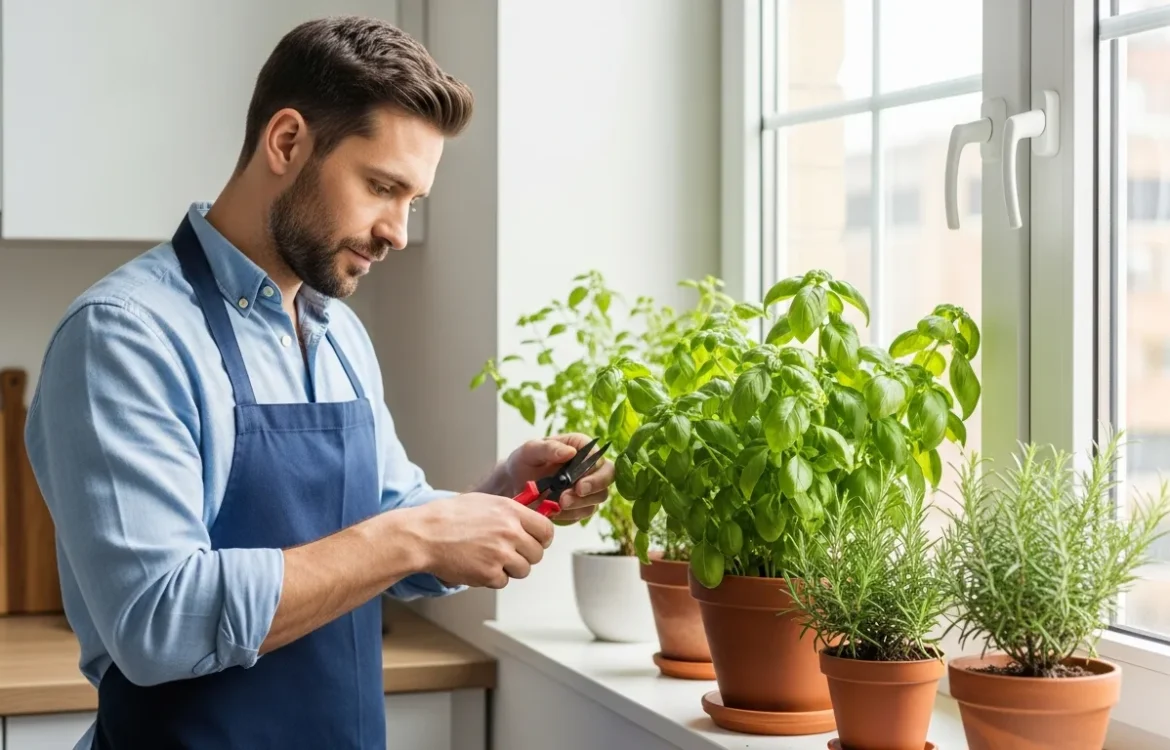
How Can You Successfully Grow and Maintain an Apartment Herb Garden?
Choosing the Ideal Location for Your Indoor Garden
The first step for any man looking to cultivate fresh flavors in his home is identifying the right spot. Most herbs require at least six to eight hours of sunlight daily. In an apartment setting, a south-facing window is usually the best bet. He should observe how the sun moves across his living space throughout the day to ensure his plants aren’t left in the dark.
If his apartment lacks sufficient natural light, he doesn’t have to give up on his gardening dreams. Modern LED grow lights have become incredibly efficient in 2026, allowing him to supplement natural rays with full-spectrum light that mimics the sun. Placing these lights on a timer ensures his herbs receive consistent energy even when he is busy with work.
Mastering the Art of Watering and Drainage
One of the most common mistakes a beginner makes is overwatering. Herbs like rosemary and thyme prefer their soil to dry out slightly between watering sessions, while basil and mint enjoy more consistent moisture. He should use the finger test: sticking his index finger an inch into the soil. If it feels dry, it is time to water; if it is damp, he should wait a day or two.
Proper drainage is non-negotiable. He must ensure his pots have drainage holes at the bottom to prevent root rot. When he integrates these plants into his apartment interior design ideas, he can choose stylish ceramic or terracotta pots that include matching saucers to protect his furniture from water damage.
The Importance of High-Quality Potting Mix
He should never use garden soil from the outdoors for his indoor herb garden. Outdoor soil is too heavy and may contain pests or diseases that thrive in a controlled indoor environment. Instead, he should opt for a high-quality, organic potting mix specifically designed for containers. These mixes are aerated with perlite or vermiculite, which helps the roots breathe and prevents the soil from compacting over time.
When he starts building out his essential kitchen items list, he should consider a small bag of organic fertilizer. Indoor herbs eventually deplete the nutrients in their potting soil, so a light feeding every four to six weeks during the growing season will keep his harvest lush and flavorful.
Pruning Techniques for a Bountiful Harvest
To keep an indoor herb garden productive, he must be brave with his shears. Regular pruning encourages the plant to grow bushier rather than tall and leggy. For herbs like basil, he should pinch off the stems just above a leaf node. This tells the plant to send out two new branches from that point, effectively doubling his future yield.
He should also be careful to remove any flowers as soon as they appear. Once an herb starts to bolt (flowering), the energy of the plant shifts away from leaf production, often making the leaves taste bitter. By keeping his herbs in a vegetative state, he ensures the best possible flavor for his cooking.
Dealing with Common Indoor Pests
Even on the tenth floor, a man might find his garden under attack by aphids or fungus gnats. He should inspect his plants regularly for any signs of webbing or sticky residue on the leaves. If he spots an infestation, a simple solution of water and organic neem oil can usually resolve the issue without introducing harsh chemicals into his kitchen.
Frequently Asked Questions
How much light do indoor herbs actually need?
Most culinary herbs need about 6 to 8 hours of direct sunlight. If he is growing them on a windowsill that doesn’t get enough sun, he should use a grow light for 12 to 14 hours a day to compensate for the lower intensity of artificial light.
Which herbs are the easiest to grow in an apartment?
Mint, chives, and parsley are remarkably resilient and can handle slightly lower light levels than Mediterranean herbs like rosemary or oregano. Basil is also a great choice if he has a very sunny spot.
Why are the leaves on my herbs turning yellow?
Yellow leaves are often a sign of overwatering or poor drainage. He should check to ensure the roots aren’t sitting in stagnant water. Occasionally, yellowing can also indicate a nitrogen deficiency, which can be fixed with a balanced organic fertilizer.
Can I grow herbs in a kitchen with no windows?
Yes, but he will be entirely dependent on artificial grow lights. He should place the lights about 6 to 12 inches above the plants and keep them on a consistent schedule to mimic a natural day-night cycle.