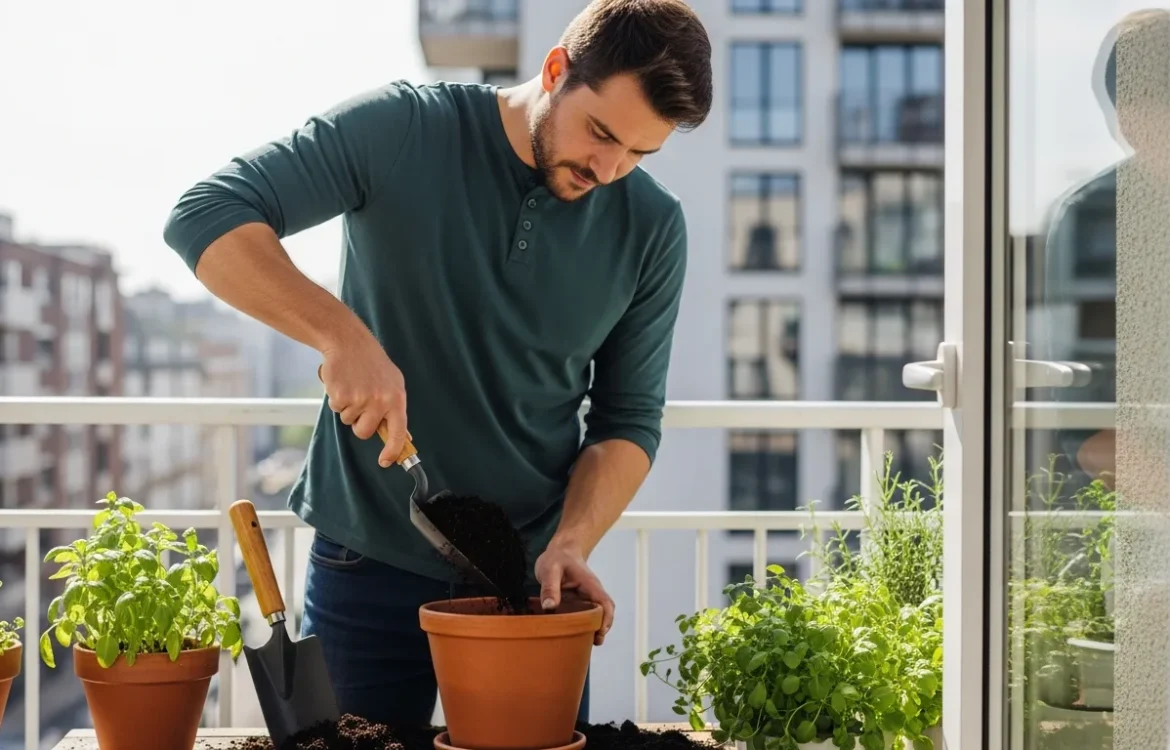
What Is the Best Potting Soil for Apartment Container Gardening?
Why Choosing the Right Soil Is Critical for Urban Gardeners
For the modern urban gardener, success begins long before the first sprout appears. He must understand that the soil used in a traditional backyard garden is fundamentally different from what is required in a confined space. When a man decides to cultivate greenery on his balcony or windowsill, he is creating a self-contained ecosystem. In this environment, the soil is the only source of nutrients and the primary regulator of moisture.
Using standard topsoil or garden dirt in a pot is a common mistake. These materials are too dense, leading to compaction that suffocates roots. For the resident who is just learning what to buy for his first apartment, selecting a high-quality potting mix is a non-negotiable step for plant health.
The Essential Components of a Premium Potting Mix
A high-performance potting soil for apartment gardening isn’t actually “soil” in the traditional sense; it is a soilless medium designed for aeration and drainage. He should look for a blend that contains several key ingredients to ensure his plants thrive in 2026 and beyond.
- Peat Moss or Coconut Coir: These provide the bulk of the mix and are excellent at retaining moisture without becoming waterlogged.
- Perlite: These small, white volcanic glass grains look like styrofoam. They are essential for aeration, ensuring the gardener’s plants have plenty of oxygen at the root level.
- Vermiculite: A mineral that aids in nutrient retention, helping the plant access minerals over a longer period.
- Pine Bark: Often used in professional mixes to provide structure and long-term drainage.
Weight Considerations for Balcony Gardens
One factor the apartment dweller often overlooks is the weight of his containers. If he is gardening on a balcony, he must be mindful of the structural load. Wet garden soil is incredibly heavy and can put unnecessary stress on a building’s exterior.
Lightweight potting mixes are specifically engineered to remain airy even when saturated. This makes them the ideal choice for a man who wants to incorporate large planters as part of his budget-friendly apartment decorating ideas. By choosing a mix heavy in perlite and coir, he can move his pots easily and keep his balcony safe.
Organic vs. Synthetic: Which Should He Choose?
The choice between organic and synthetic potting soil depends on his specific goals. If he is growing edible herbs like basil or mint, he will likely prefer an organic mix. These blends use natural fertilizers like compost, kelp meal, or earthworm castings.
Synthetic mixes, on the other hand, often come with time-release fertilizer beads. These are convenient for the busy professional who may forget his feeding schedule, as they provide a steady stream of nutrients for up to six months. He should evaluate his lifestyle and how much time he can realistically dedicate to plant maintenance before making his selection.
Signs of Low-Quality Potting Soil
Not all bags of soil are created equal. An experienced gardener can often tell a poor-quality mix just by feeling it. He should avoid any product that feels excessively heavy, smells like sewage or chemicals, or contains large chunks of uncomposted wood. These “filler” materials can actually rob the soil of nitrogen as they break down, leaving his plants stunted and yellowing.
Frequently Asked Questions
Can I use garden soil in my apartment containers?
No. Garden soil is too heavy and lacks the drainage properties needed for pots. It will likely compact, leading to root rot and the eventual death of the plant. A man should always use a designated potting mix for his indoor and balcony containers.
How often should an apartment gardener replace his potting soil?
Generally, it is best to refresh the soil every one to two years. Over time, the organic matter breaks down and the nutrients are depleted. If he notices his soil has shrunk significantly or become hard to wet, it is time for a change.
Does potting soil expire?
While soil doesn’t “expire” like food, the added fertilizers in many mixes lose their potency after about six months to a year. If he has an old bag, he can still use it, but he should supplement it with fresh compost or a liquid fertilizer.
Is it necessary to put rocks at the bottom of the pot?
This is a common myth. Adding rocks actually raises the water table within the pot, which can increase the risk of root rot. Instead, he should ensure his pot has adequate drainage holes and use a high-quality, free-draining potting mix.