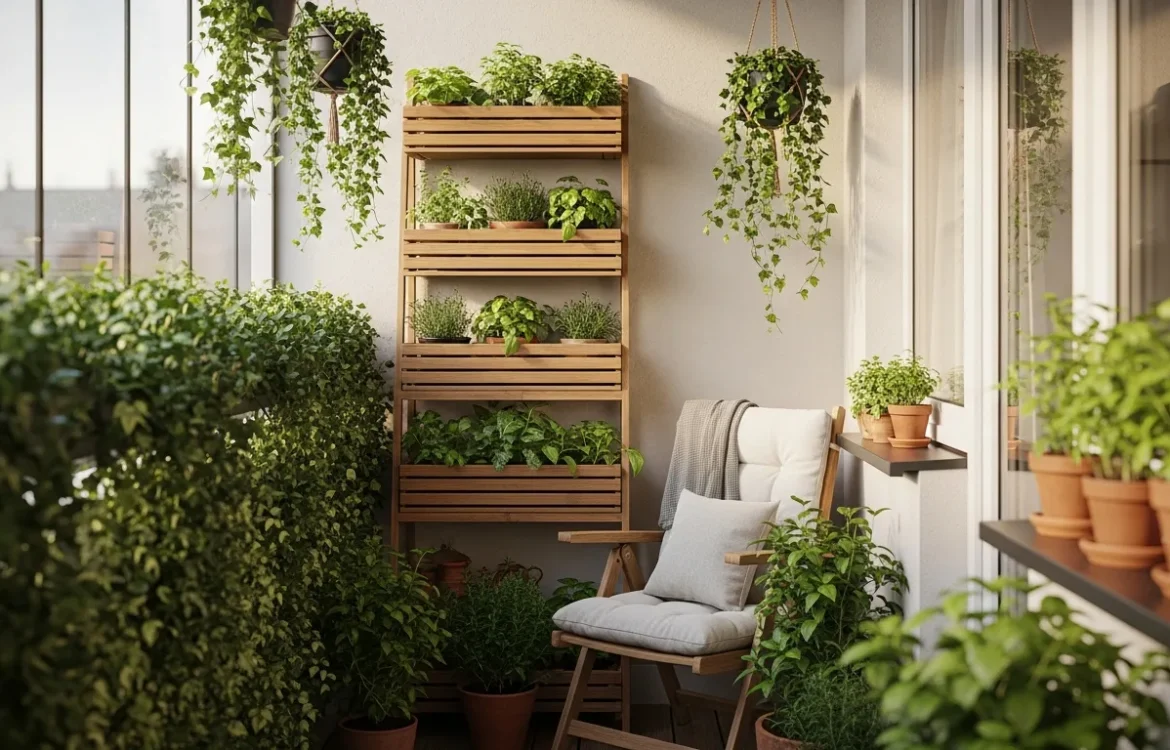
How Can You Transform a Small Apartment Balcony into a Lush Garden?
Mastering the Vertical Dimension
When a man is dealing with a few square feet of concrete, he has to look up. Vertical gardening isn’t just a trend; it’s a necessity for the urban dweller. By utilizing the height of his balcony, he can create a lush environment without sacrificing floor space for a chair or a small table.
One of the most effective methods involves setting up a vertical plant wall, which acts as both a visual centerpiece and a natural air filter. Using modular planters or repurposed wooden pallets allows him to stack various species, from cascading ivy to robust ferns. This approach keeps the floor clear for movement while surrounding him with greenery at eye level.
Cultivating an Edible Urban Retreat
There is a specific satisfaction in harvesting ingredients for a meal just steps from his kitchen. A balcony garden should be functional as well as aesthetic. Focus on high-yield, compact plants that thrive in containers. Dwarf citrus trees, cherry tomatoes, and various peppers are excellent choices for the 2026 urban gardener who values self-sufficiency.
If he is interested in growing his own produce in a limited footprint, he should prioritize herbs like basil, rosemary, and mint. These plants are resilient and provide immediate culinary rewards. To ensure success, he must consider the sun exposure of his balcony; most vegetables require at least six hours of direct light to produce a significant harvest.
Strategic Privacy with Living Screens
Privacy is often the biggest challenge in high-density apartment living. Instead of installing heavy plastic barriers, a man can use nature to shield his space from prying eyes. Tall, slender plants like clumping bamboo or tall ornamental grasses provide an organic screen that rustles pleasantly in the wind.
He can also use trellis systems with climbing vines such as jasmine or clematis. These plants grow quickly and create a dense wall of foliage and flowers. This method not only secures his privacy but also dampens street noise, making the balcony feel like a secluded sanctuary away from the city’s hustle.
Optimizing Layout and Weight Limits
Before he starts hauling heavy pots onto his balcony, he must understand the structural limits of his building. Modern apartments are sturdy, but large ceramic pots filled with wet soil can add up to significant weight. He should opt for lightweight resin or fiberglass containers that mimic the look of stone or terracotta without the bulk.
- Corner Placement: Place the heaviest pots in the corners or near the building’s structural columns where the floor is strongest.
- Multi-functional Furniture: Use benches with built-in storage for soil and tools to keep the area organized.
- Drip Trays: Always use deep saucers to prevent water from leaking onto the neighbor’s balcony below, which is a common point of contention in rental agreements.
Smart Maintenance for the Modern Gardener
In 2026, technology makes maintaining a balcony garden easier than ever. If he travels frequently or has a demanding job, he should consider self-watering systems or smart sensors that alert his phone when the soil moisture is low. These tools ensure his plants thrive even when he is away on business.
Wind is another factor he must manage. High-rise balconies often experience stronger gusts than ground-level yards. He should secure his pots with heavy-duty adhesive or brackets and choose plants with flexible stems that won’t snap under pressure. Regularly pruning his plants also helps reduce their wind resistance and keeps the garden looking sharp and well-maintained.
Frequently Asked Questions
What are the best low-maintenance plants for a balcony?
Snake plants, succulents, and ZZ plants are incredibly hardy and require minimal watering. They are perfect for a man who wants greenery without a daily maintenance schedule.
How can I prevent my balcony garden from attracting bugs?
He should avoid overwatering, as damp soil attracts gnats. Planting aromatic herbs like lavender, marigolds, or lemongrass can also act as a natural deterrent for many common pests.
Can I have a garden on a north-facing balcony with little sun?
Yes. He should focus on shade-tolerant plants like hostas, ferns, and begonias. These species thrive in indirect light and will maintain a deep green color even without direct afternoon sun.