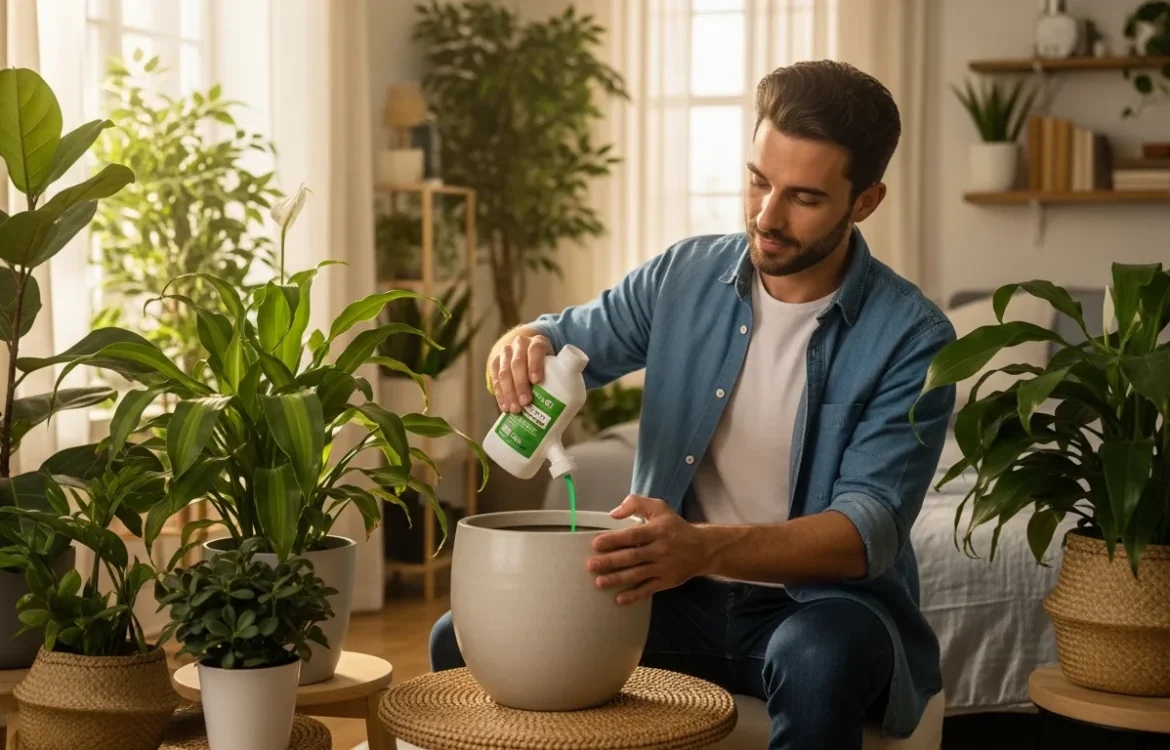
What Are the Best Organic Fertilizers for Your Indoor Apartment Plants?
Why Organic Fertilizers are Essential for Apartment Living
In 2026, the trend of urban gardening has evolved from a simple hobby into a lifestyle. For the modern apartment dweller, maintaining a lush indoor forest is a way to reconnect with nature. However, unlike outdoor gardens, indoor plants live in a closed ecosystem. They rely entirely on the gardener to provide the nutrients they need. Choosing the best organic fertilizers for indoor apartment plants is not just about growth; it is about safety and sustainability in a confined living space.
Synthetic fertilizers often contain harsh salts that can build up in pots over time, potentially damaging delicate roots. Organic options, on the other hand, break down slowly, providing a steady stream of nutrition while improving the soil microbiome. When a resident is considering what to buy for his first apartment, high-quality organic plant food should be near the top of his list to ensure his green investments thrive.
Top-Rated Organic Fertilizers for Indoor Spaces
Not all organic fertilizers are created equal, especially when you are dealing with limited ventilation and small containers. Here are the most effective options for the urban gardener in 2026:
- Worm Castings: Often called “black gold,” worm castings are odorless and packed with beneficial microbes. They are perfect for top-dressing indoor pots without any risk of burning the plant.
- Liquid Kelp and Seaweed: These are excellent for providing micronutrients and hormones that stimulate growth. Because they are liquid, they are easy for the plant to absorb quickly.
- Fish Emulsion (Deodorized): While traditional fish fertilizer has a pungent aroma, modern deodorized versions allow the gardener to provide a high-nitrogen boost without making his living room smell like a pier.
- Compost Tea: A gentle, liquid version of compost that can be used during regular watering sessions to keep the soil alive and healthy.
Understanding the N-P-K Ratio for Indoor Plants
To choose the right product, he must understand the three numbers found on every fertilizer label: Nitrogen (N), Phosphorus (P), and Potassium (K). For most indoor foliage, a balanced ratio or one slightly higher in nitrogen is ideal to promote lush, green leaves. Healthy, vibrant foliage is one of the most impactful apartment interior design ideas, turning a sterile room into a living sanctuary.
Nitrogen is responsible for leaf growth, phosphorus supports root development and flowering, and potassium aids in overall plant health and disease resistance. By selecting an organic fertilizer tailored to his specific plant species, the gardener ensures that he is not over-feeding or causing nutrient lockout.
The Benefits of Slow-Release Organic Granules
For the busy professional, slow-release organic granules are a lifesaver. These pellets can be mixed into the potting soil or scratched into the surface once every few months. As he waters his plants, the granules slowly dissolve, releasing nutrients over time. This method prevents the “boom and bust” cycle of growth often seen with aggressive synthetic spikes and reduces the frequency of maintenance required to keep the apartment looking its best.
How to Fertilize Without the Mess
Fertilizing in an apartment requires a bit of strategy to avoid staining carpets or creating odors. He should always fertilize when the soil is already slightly moist to prevent root shock. Using a long-necked watering can allows him to apply liquid fertilizers directly to the soil surface, avoiding the leaves and minimizing splashes. If he uses worm castings, he can simply sprinkle them on top of the soil and lightly incorporate them with a fork, keeping the process clean and efficient.
Frequently Asked Questions
How often should I fertilize my indoor plants?
Most indoor plants should be fertilized every 4 to 6 weeks during the active growing season (spring and summer). In the winter, many plants go dormant and require little to no supplemental feeding.
Do organic fertilizers smell bad in a small apartment?
While some organic options like fish emulsion have a natural scent, many modern products are deodorized or use odorless ingredients like worm castings and kelp meal, making them perfectly suitable for small spaces.
Can I over-fertilize with organic products?
While organic fertilizers are much gentler than synthetics, it is still possible to over-apply them. Always follow the instructions on the packaging to ensure the plant receives the correct dosage.
What is the best fertilizer for succulents?
Succulents prefer a low-nitrogen organic fertilizer. A diluted liquid seaweed extract or a specific organic cactus mix is usually the best choice to prevent leggy growth.