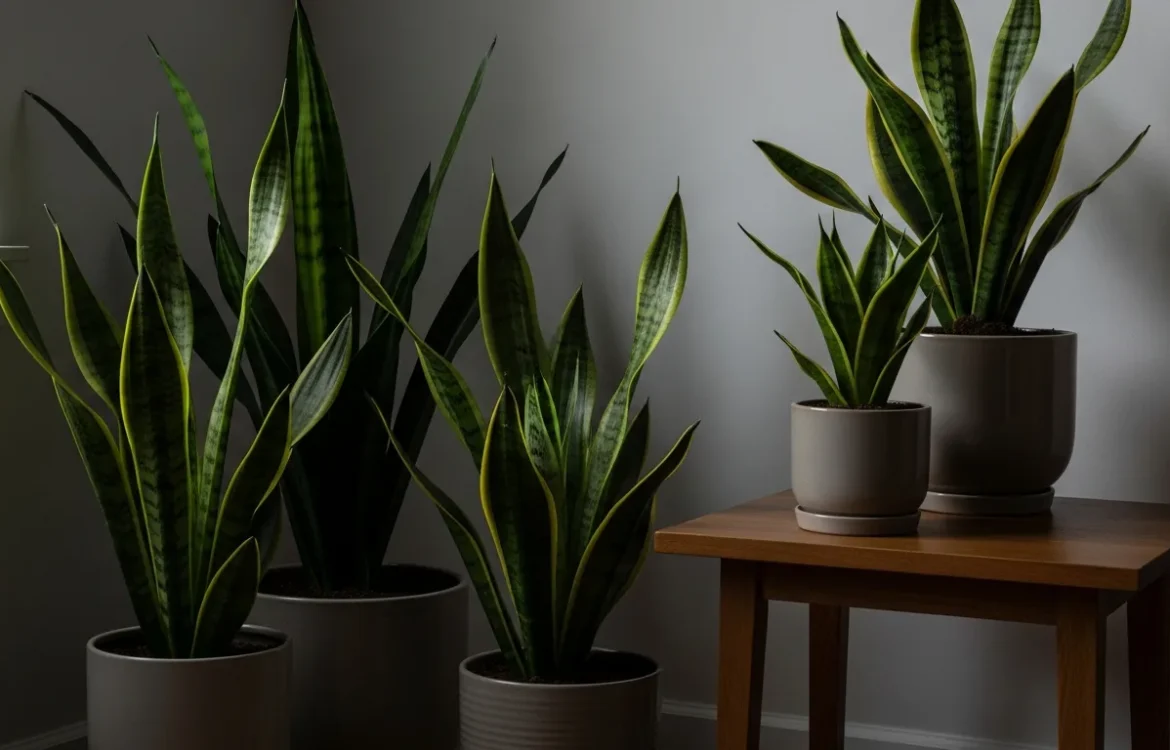
Which Snake Plants Thrive Best in Low Light Apartments?
The Resilience of Sansevieria in Urban Living
For the modern renter, finding greenery that survives the unique challenges of apartment life is a priority. Many urban dwellings suffer from limited natural light, especially those facing narrow alleys or situated on lower floors. This is where the snake plant, scientifically known as Dracaena trifasciata (formerly Sansevieria), becomes an essential companion. He will find that these plants are nearly indestructible, making them perfect for a man who wants the aesthetic benefits of nature without the high-maintenance demands of more sensitive species.
Snake plants are celebrated for their ability to convert CO2 into oxygen at night, improving the air quality of his sleeping quarters. Furthermore, they are remarkably drought-tolerant, meaning if he forgets to water his plant for a few weeks, it will likely still look as vibrant as the day he bought it. When considering apartment interior design ideas, integrating greenery into his apartment interior design ideas provides a natural contrast to industrial or modern furniture.
Top Snake Plant Varieties for Dimly Lit Spaces
Not all snake plants are created equal when it comes to light requirements. While most can tolerate low light, certain varieties maintain their color and structural integrity better than others when kept away from windows.
1. Sansevieria Zeylanica
The Zeylanica is perhaps the most iconic variety. It features dark green, sword-like leaves with wavy, lighter green horizontal stripes. Because it lacks the yellow variegation of other types, it is more efficient at photosynthesis in dim corners. He should place this in a corner that receives only ambient, reflected light to see it truly stabilize and grow.
2. Sansevieria Black Coral
For a moodier, more sophisticated look, the Black Coral is an excellent choice. Its leaves are significantly darker than the standard variety, appearing almost black in certain lighting. This high concentration of chlorophyll allows the plant to thrive in very low light levels, making it ideal for a hallway or a bedroom with minimal window exposure.
3. Sansevieria Moonshine
If he prefers a more contemporary aesthetic, the Moonshine offers beautiful silvery-green leaves. While it prefers slightly more light to maintain its pale hue, it is surprisingly resilient in low light. In darker rooms, the leaves may turn a deeper shade of green, but the plant will remain healthy and robust.
4. Sansevieria Laurentii
This is the classic variety with yellow edges. While the yellow variegation can fade if the plant is kept in total darkness for years, it remains a sturdy option for most apartments. It is a staple on any new apartment checklist essentials list because of its height and architectural presence.
Essential Care Tips for the Low Light Gardener
When he keeps a snake plant in a low light environment, his care routine must shift to accommodate the slower metabolic rate of the plant. Since the plant isn’t receiving intense energy from the sun, it will process water much more slowly.
- Watering Frequency: He should only water his snake plant when the soil is dry all the way to the bottom of the pot. In a low light apartment, this might mean watering only once every four to six weeks.
- Soil Choice: A well-draining cactus or succulent mix is vital. He must ensure the pot has a drainage hole to prevent root rot, which is the most common cause of death for these plants.
- Dusting the Leaves: Because the leaves are wide and upright, they tend to collect dust. He should occasionally wipe the leaves with a damp cloth to ensure the plant’s pores remain clear, allowing it to breathe and photosynthesize efficiently.
Strategic Placement in the Apartment
The beauty of the snake plant lies in its versatility. He can use tall varieties like the Laurentii to fill empty corners, or shorter, bird’s nest varieties (like Sansevieria Hahnii) to decorate his desk or bookshelf. Since these plants grow slowly in low light, he won’t have to worry about them outgrowing their space quickly. He can rest assured that his investment in greenery will provide long-term visual appeal without requiring him to become a full-time gardener.
Frequently Asked Questions
How can he tell if his snake plant needs more light?
If the plant starts to look “leggy” or the leaves begin to lean excessively toward the nearest light source, it is a sign he should move it slightly closer to a window or provide a small LED grow light to supplement its needs.
Are snake plants safe for pets in an apartment?
He should be aware that snake plants are mildly toxic if ingested. If he has a dog or a cat, he should place the plant on a high shelf or a sturdy plant stand where his pet cannot reach it.
Can a snake plant live in a windowless room?
While they are tough, no plant can live in total darkness forever. If his room has no windows, he should consider rotating the plant with another one every two weeks, or keeping a light on for at least eight hours a day to provide some energy.
What is the best pot for a snake plant?
He should choose a terracotta pot if possible. Terracotta is porous and allows the soil to dry out more quickly, which is a great safety net against overwatering in low light conditions.