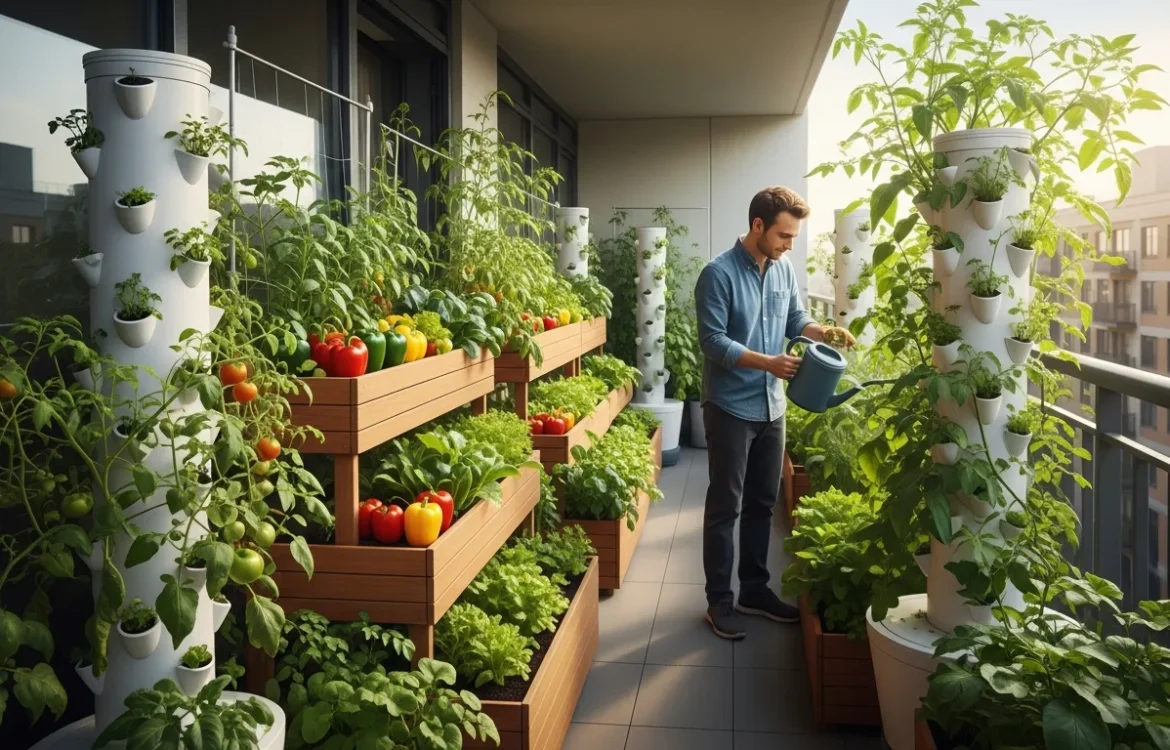
How Can You Build a High-Yield Apartment Patio Garden in 2026?
Turning Concrete into a Private Sanctuary
A man’s apartment is his fortress, but without a touch of green, it can quickly feel like a sterile box. Transforming a small outdoor slab into a thriving apartment patio garden isn’t just about aesthetics; it is about reclaiming a piece of nature and perhaps even growing his own food. Whether he has a sprawling terrace or a tiny Juliet balcony, the principles of urban horticulture remain the same: maximize space, manage light, and master irrigation.
Assessing Light and Microclimates
Before buying a single bag of soil, he must observe how the sun hits his patio. Most vegetables and flowering plants require at least six hours of direct sunlight. If his patio faces north or is overshadowed by neighboring buildings, he should focus on shade-tolerant greens like kale, spinach, or mint. Conversely, a south-facing concrete patio can become a heat trap, requiring heat-hardy succulents or Mediterranean herbs like rosemary and thyme.
Wind is another factor often overlooked. High-rise balconies act as wind tunnels, which can desiccate plants in hours. He should invest in heavy ceramic pots or secure his containers to the railing to prevent a gust from ruining his hard work.
Vertical Gardening: Thinking Up, Not Out
When floor space is at a premium, the only way to grow is up. Vertical gardening is the secret weapon of the urban dweller. Using tiered shelving, hanging planters, or wall-mounted pockets allows him to triple his growing area without sacrificing his seating space. For those looking for a comprehensive breakdown of vessel types, this apartment container gardening guide offers deep insights into choosing the right pots for vertical setups.
- Trellises: Perfect for climbing peas, beans, or even small cucumber varieties.
- Rail Planters: These utilize the often-wasted perimeter of the patio.
- Stackable Pots: Ideal for strawberry towers or herb collections.
Smart Irrigation and Drainage Solutions
The fastest way to annoy a downstairs neighbor is by letting muddy water drip onto his head. A responsible gardener ensures his setup is self-contained. He should use saucers under every pot to catch excess runoff and consider “self-watering” containers that utilize a reservoir system. This not only keeps the patio clean but also provides a consistent moisture level for the plants during hot summer days.
For those just beginning their journey, understanding the foundational steps of how to start patio garden apartment setups can prevent common rookie mistakes like overwatering or using soil that is too heavy for balcony weight limits.
Choosing High-Performance Plants
In a limited space, every plant must earn its keep. He should prioritize “cut and come again” crops or dwarf varieties specifically bred for containers. Patio tomatoes, for instance, stay compact while producing a heavy yield. Herbs are another high-value choice; they are expensive at the grocery store but thrive in small pots with minimal maintenance. If he wants a more permanent look, dwarf citrus trees or Japanese Maples can provide structure and a sense of luxury to the outdoor space.
Maintenance and Seasonal Transitions
An apartment patio garden requires a different maintenance rhythm than a backyard. Because pots have limited soil volume, nutrients wash out quickly. He should apply a liquid organic fertilizer every two weeks during the growing season. As winter approaches, he must have a plan for his perennials. Moving pots closer to the building wall can provide a few degrees of extra warmth, or he may need to bring sensitive plants indoors to a sunny windowsill until the spring thaw.
Frequently Asked Questions
What are the best plants for a low-light apartment patio?
Leafy greens like lettuce, arugula, and Swiss chard do remarkably well in partial shade. He can also grow ferns, hostas, and certain varieties of mint if his patio receives less than four hours of sun.
How do I prevent pests in an urban garden?
Pests like aphids can still find their way to a balcony. He should regularly inspect the undersides of leaves and use a simple neem oil spray or insecticidal soap to keep infestations under control without using harsh chemicals.
Can I compost on an apartment balcony?
Yes, bokashi bins or small worm composters (vermicomposting) are odorless and compact enough for a patio. This allows him to turn his kitchen scraps into high-quality fertilizer for his garden.
Is weight a concern for balcony gardens?
Generally, yes. He should avoid heavy terracotta or concrete pots if he plans on having many plants. Lightweight resin or fiberglass containers, combined with a high-quality potting mix (which is lighter than topsoil), are the safest bets for structural integrity.