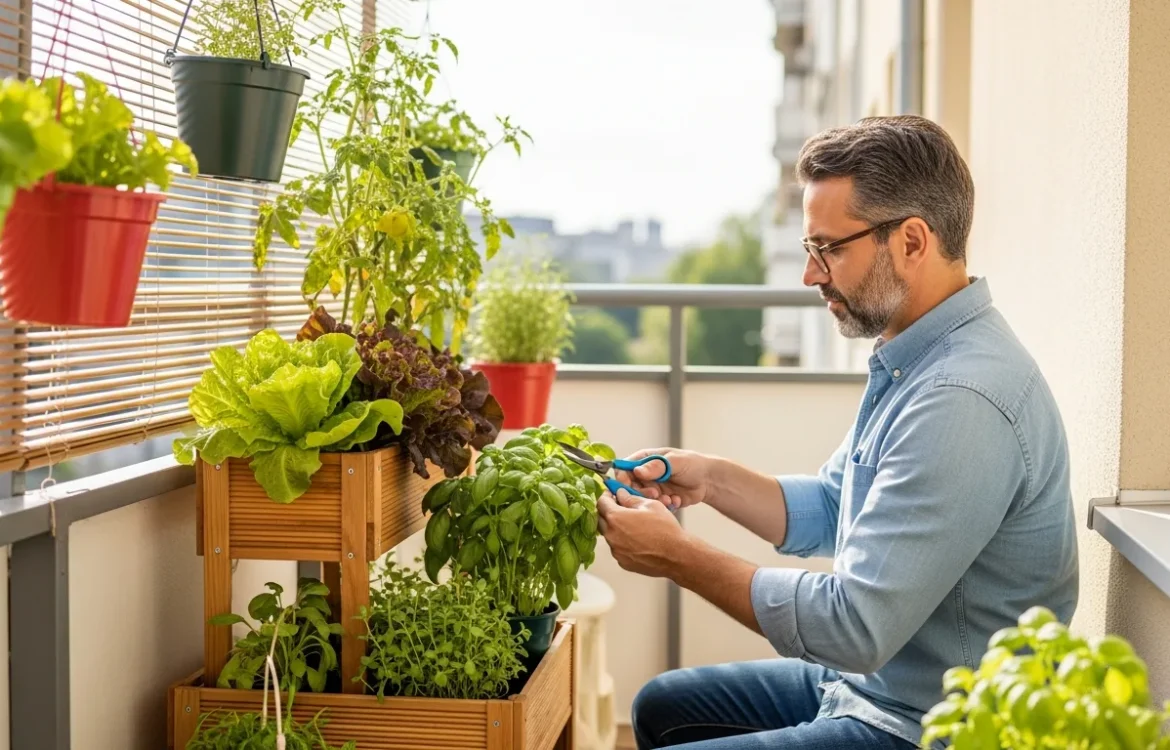
Can You Grow Your Own Food on a Small Balcony? A Step-by-Step Guide
Evaluating Your Balcony’s Microclimate
Before a man buys his first bag of potting soil, he must understand the environment he is working with. Every apartment balcony has a unique microclimate influenced by the direction it faces, the height of the building, and nearby obstructions. For example, a south-facing balcony in 2026 might receive intense, direct sunlight for eight hours, while a north-facing one remains in the shade. He should observe how the sun moves across his space throughout the day to determine which plants will thrive.
Wind is another critical factor. On higher floors, the wind can be significantly stronger, drying out soil quickly and potentially toppling tall plants. He might consider installing a lattice or using heavier ceramic pots to anchor his garden. Understanding these physical constraints ensures that his investment in greenery doesn’t wither away within the first month.
Selecting the Right Containers for Urban Living
In a limited space, every square inch counts. He should prioritize containers that offer excellent drainage and sufficient depth for root growth. Fabric grow bags have become increasingly popular because they are lightweight and promote air pruning, which prevents roots from circling. If he is looking for more aesthetic options, he might incorporate some affordable apartment styling tips by mixing various textures like terracotta, wood, and metal.
Vertical space is often underutilized. He can install wall-mounted planters or use a tiered shelving unit to stack his herbs and succulents. This approach not only saves floor space but also creates a lush, green wall that provides privacy from neighbors. He should always check his lease or building bylaws to ensure he isn’t exceeding weight limits on the balcony structure.
Best Plants for a High-Yield Apartment Garden
For the beginner urban farmer, starting with high-success plants is key to staying motivated. Herbs like basil, mint, and rosemary are incredibly resilient and provide a high yield for very little space. If he wants to grow vegetables, he should look for “patio” or “determinate” varieties of tomatoes and peppers, which are bred specifically to stay compact while still producing plenty of fruit.
- Leafy Greens: Lettuce, kale, and spinach grow quickly and can be harvested multiple times.
- Root Vegetables: Radishes and carrots can thrive in deeper pots.
- Pollinator Plants: Marigolds and lavender not only look great but attract beneficial insects even in a city environment.
Essential Tools for the Modern Urban Gardener
He doesn’t need a shed full of equipment to maintain a patio garden. A few high-quality tools will suffice. A long-neck watering can is essential for reaching into the back of deep planters without making a mess. He should also invest in a sharp pair of pruning shears to keep his plants healthy and encourage new growth. When he is gathering his supplies, he might consider adding these to his must-have items for a new home to ensure he is fully prepared from day one.
A moisture meter is another high-value tool for the apartment gardener. It removes the guesswork from watering, telling him exactly when the soil at the root level is dry. This prevents the common mistake of overwatering, which is the leading cause of plant death in container gardens.
Designing Your Green Space for Maximum Comfort
A patio garden should be more than just a place to grow food; it should be a sanctuary. He can arrange his pots to create a natural flow, perhaps placing a small bistro set in the center of his urban jungle. By using plants of varying heights, he creates visual depth that makes the small space feel larger and more intentional. Bold focal points, such as a large lemon tree or a flowering hibiscus, can serve as the centerpiece of his design.
Lighting also plays a huge role in the ambiance. Solar-powered LED string lights or small lanterns can transform the garden into a nighttime retreat. He should focus on creating a space where he can relax after a long day, surrounded by the fruits of his labor.
Frequently Asked Questions
How often should I water my apartment balcony garden?
Container plants dry out faster than those in the ground. He should check the soil daily by sticking his finger an inch deep; if it feels dry, it is time to water. During peak summer heat, he may need to water both morning and evening.
Can I grow vegetables on a balcony with low light?
Yes, but he should stick to leafy greens like lettuce, chard, and herbs like parsley or chives. Most fruiting vegetables, such as tomatoes, require at least six hours of direct sun to produce a harvest.
How do I prevent pests in an urban garden?
He should inspect his plants regularly for signs of aphids or mites. Using neem oil or a simple insecticidal soap can keep most common pests at bay without the need for harsh chemicals.
What is the best soil for container gardening?
He should never use garden soil from the ground, as it is too heavy and may contain pests. Instead, he should use a high-quality potting mix designed for containers, which typically includes peat moss, perlite, and vermiculite for better aeration and drainage.