What Exactly Is a Garden Apartment and Where Did the Name Come From?
The Etymology Behind the Garden Label
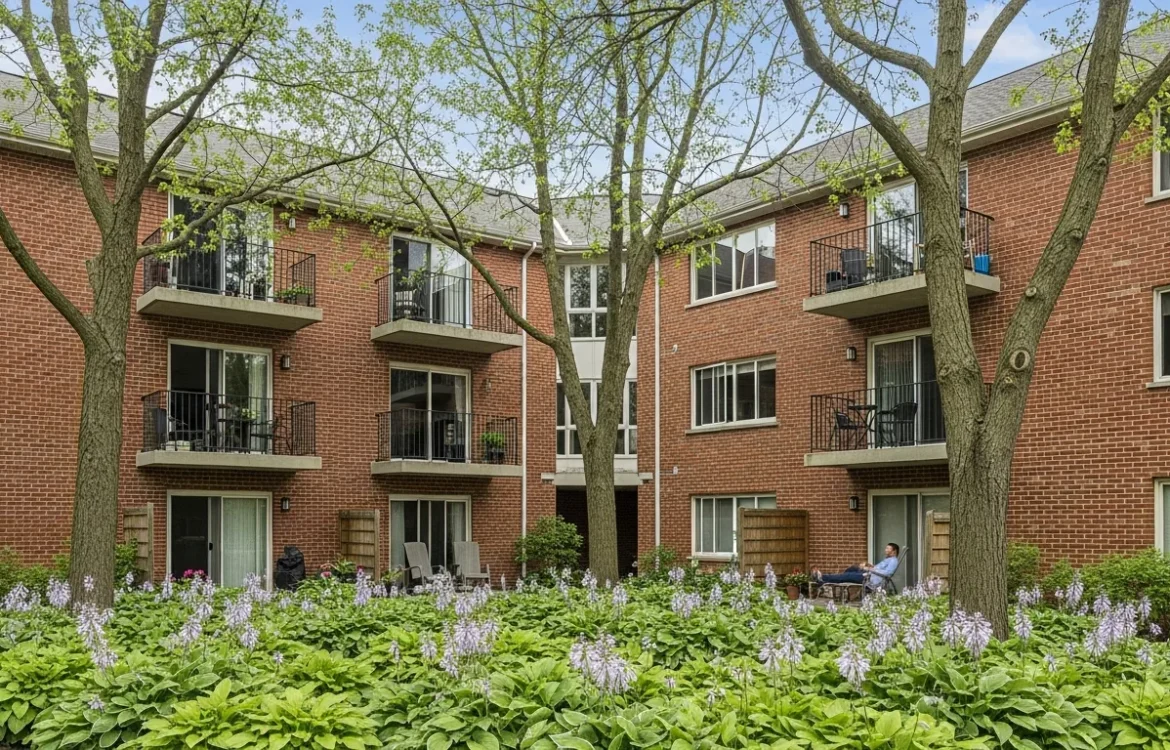
When a man walks through a residential complex and notices low-rise buildings nestled among sprawling lawns, mature trees, and manicured shrubbery, he is likely looking at garden apartments. The name is not merely a marketing gimmick; it is a descriptive term rooted in architectural history. These dwellings are called garden apartments because they are designed to prioritize open space, greenery, and a connection to the outdoors, distinguishing them from the concrete-heavy high-rises found in dense urban centers.
Historically, the term was coined to describe a specific style of multi-family housing that emerged as an alternative to the crowded, dark tenements of the industrial era. For the modern tenant in 2026, the name signifies a lifestyle choice that favors tranquility and fresh air over the vertical density of a skyscraper. When a man begins his search for a new home, he should consult various apartment hunting tips for first timers to understand how these layouts might impact his daily routine.
The Garden City Movement: A Historical Blueprint
The origin of the garden apartment can be traced back to the Garden City movement, an urban planning concept initiated by Ebenezer Howard in the late 19th century. Howard envisioned self-contained communities that captured the best of both town and country life. He believed that every man deserved access to sunlight, ventilation, and nature, even while living in a multi-family setting.
By the mid-20th century, this philosophy moved into the mainstream of American architecture. Developers began building clusters of two- to three-story buildings arranged around central courtyards or shared parks. This layout ensured that every resident had a view of green space, effectively bringing the garden to the apartment. The “garden” in the name refers to this intentional landscaping that serves as the heart of the community.
Defining Features of a Modern Garden Apartment
To be classified as a garden apartment, a building typically adheres to a specific set of characteristics that set it apart from other rental options. These include:
- Low-Rise Construction: Most garden apartments are only one, two, or three stories tall.
- Outdoor Access: Units often feature private entrances, patios, or balconies that face the landscaped grounds.
- Walk-Up Style: Because of their limited height, these buildings rarely feature elevators, requiring a man to use the stairs to reach his unit.
- Shared Green Space: The buildings are usually set back from the street, allowing for courtyards, playgrounds, and walking paths.
For a man weighing his options between multi-family units and individual homes, a townhouse vs apartment comparison can clarify which layout best suits his lifestyle, as garden apartments often bridge the gap between these two styles.
Garden Apartments vs. Ground-Floor Units: The Distinction
There is often confusion regarding the difference between a “garden apartment” and a “garden-level unit.” While the terms sound similar, they refer to different things. A garden-level unit is typically a basement or semi-basement apartment that sits partially below ground level, often with windows at the top of the walls. These are common in brownstones and older urban row houses.
In contrast, a garden apartment refers to the entire building style. A man living on the third floor of a three-story walk-up in a landscaped complex is still living in a garden apartment. The name describes the architectural philosophy of the complex rather than the specific vertical position of the individual unit.
Why This Housing Style Remains Popular in 2026
In the current housing market of 2026, the appeal of the garden apartment has seen a significant resurgence. As remote work becomes a permanent fixture for many, a man often seeks a living environment that provides more than just four walls. He wants a space where he can step outside his door and immediately enjoy a park-like setting without the maintenance required of a single-family home.
Furthermore, these developments often offer a stronger sense of community. The shared courtyards and pedestrian-friendly paths encourage social interaction among neighbors. For the renter who values a suburban feel with the convenience of a managed rental property, the garden apartment remains a premier choice.
Frequently Asked Questions
What is the main difference between a garden apartment and a high-rise?
The primary difference is the height and density. High-rises are vertical structures with many floors and elevators, while garden apartments are low-rise buildings (usually 1-3 stories) that emphasize horizontal space and landscaping.
Do garden apartments always have their own gardens?
No, the term does not mean the tenant has a personal garden to plant vegetables. Instead, it refers to the fact that the entire building is surrounded by professionally landscaped green spaces and communal gardens.
Are garden apartments more expensive than standard apartments?
Pricing depends on the location and amenities. However, because they are often located in suburban or residential areas rather than city centers, they can sometimes offer more square footage for the price compared to urban high-rises.
Is a garden apartment the same as a basement apartment?
No. A basement apartment is located below ground level. A garden apartment is a style of low-rise building set within a landscaped complex. While a garden apartment complex may have ground-floor units, they are not necessarily basement units.