Are Garden Apartments Prone to Bugs? What Every Tenant Should Know
The Reality of Living at Ground Level
In the 2026 rental market, garden-level apartments remain a popular choice for men seeking affordability and direct access to outdoor spaces. However, one question consistently haunts a prospective renter before he signs his lease: are garden apartments prone to bugs? The short answer is yes, they can be more susceptible to pests than units on higher floors, but this is not an unavoidable fate. By understanding the environment, a tenant can take proactive steps to ensure his living space remains a sanctuary.
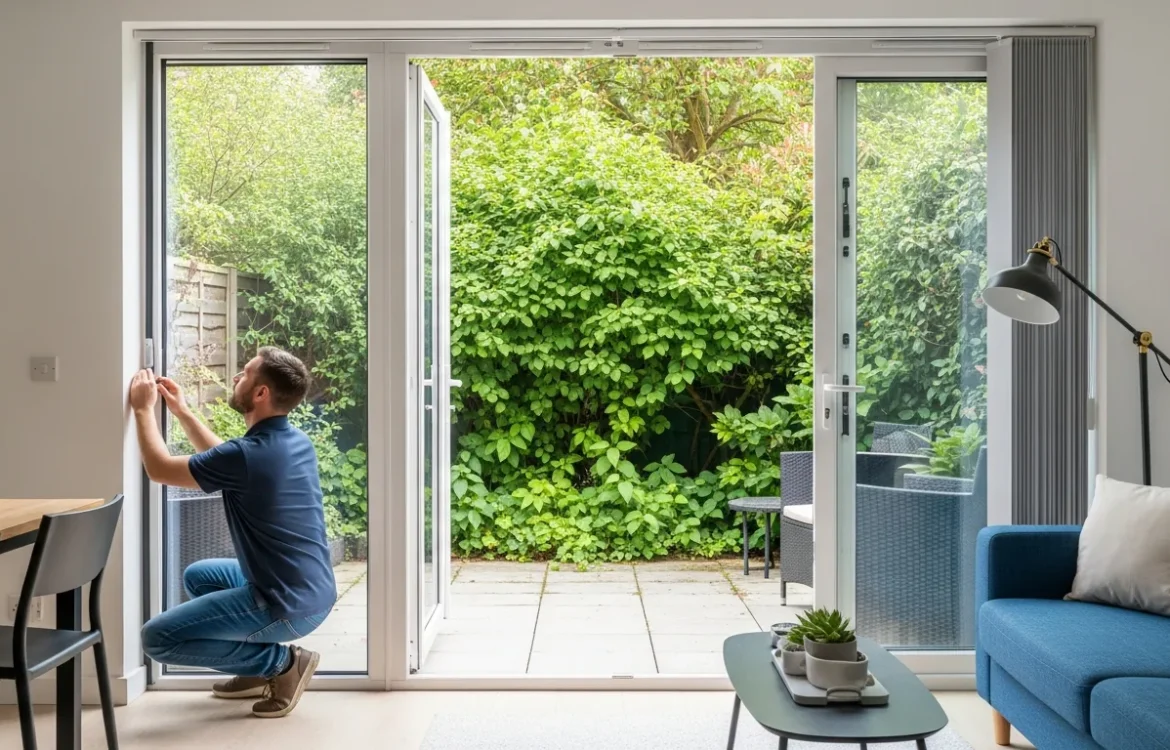
Garden apartments are typically located at ground level or slightly below, often partially submerged. This unique positioning brings him closer to the natural habitat of various insects. While the proximity to a courtyard or backyard is a perk, it also means he is sharing a wall with the very soil where many pests thrive.
Why Garden Units Attract More Pests
There are several scientific and structural reasons why a man might encounter more six-legged visitors in a garden unit compared to a penthouse. Understanding these factors helps him prepare his defense.
- Moisture Levels: Ground-level units naturally retain more humidity. Damp soil against the exterior walls can lead to moisture seeping through the foundation, creating a magnet for silverfish, centipedes, and sowbugs.
- Proximity to Foliage: If his windows open directly onto a flower bed or a patch of ivy, he is providing a literal bridge for ants and spiders to cross into his home.
- Entry Points: Older buildings may have small cracks in the foundation or gaps around window wells. A small beetle only needs a fraction of an inch to find his way inside.
- Temperature Regulation: During the colder months of 2026, insects seek the warmth radiating from a heated apartment. Since the garden unit is the first warm structure they encounter, it often becomes the primary target.
Common Pests Found in Garden-Level Apartments
When a man moves into a lower-level unit, he should be on the lookout for a few specific regulars. Spiders are perhaps the most common, as they follow the smaller insects that congregate near damp foundations. Centipedes and millipedes are also frequent guests, drawn to the cool, dark, and moist environment of a semi-basement.
Ants can also be a significant nuisance. If he leaves even a few crumbs on his kitchen counter, a scout ant will quickly alert the colony, which is likely situated just a few feet away in the garden soil. During an initial walkthrough of the property, a prospective renter should keep his eyes peeled for signs of past infestations or moisture damage in the corners of the rooms.
How a Tenant Can Prevent Infestations
A man does not have to accept bugs as a permanent part of his lifestyle. There are several effective strategies he can employ to keep his home pest-free. First and foremost is moisture control. Using a high-quality dehumidifier can significantly reduce the appeal of his apartment to moisture-loving insects.
He should also ensure that his cleaning routine is impeccable. Storing food in airtight containers and taking out the trash daily removes the primary incentives for pests to enter. Furthermore, he can apply a perimeter spray around his windows and doors to create a chemical barrier that discourages crawlers from crossing the threshold.
Understanding Legal and Landlord Responsibilities
It is also vital for him to understand how pest management duties are split between the owner and the occupant. Generally, a landlord is responsible for maintaining a habitable environment, which includes professional pest control if the building has a structural infestation. However, if the tenant’s own habits—such as leaving out food or failing to report a leak—caused the issue, he might find himself responsible for the mitigation costs.
Before moving in, he should check his lease agreement to see how often the landlord schedules preventative extermination. A proactive landlord who treats the exterior of the building quarterly is a man’s best ally in the fight against garden-level pests.
Frequently Asked Questions
Are garden apartments always full of bugs?
No, they are not. While they have a higher risk due to their location, a well-maintained building with proper sealing and moisture control can be just as bug-free as a unit on the tenth floor. It largely depends on the landlord’s maintenance and the tenant’s cleanliness.
What is the best way to stop bugs from entering a ground-floor unit?
The most effective method is sealing entry points. A tenant should check for gaps in window screens, cracks in the baseboards, and spaces under the front door. Using weather stripping and caulk can block the majority of pests from entering his home.
Does the time of year affect bug activity in garden units?
Yes, activity typically peaks in late spring and early autumn. In the spring, moisture and blooming plants draw insects out, while in the fall, they seek the warmth of his apartment to survive the winter.
Should I be worried about spiders in a garden apartment?
Spiders are common, but they are often beneficial as they eat other pests like flies and gnats. However, if a man notices an excessive amount, it usually indicates that there is another underlying pest problem providing a food source for the spiders.