What is Considered a Garden Apartment? Ground-Level Living Explained
Defining the Garden Apartment
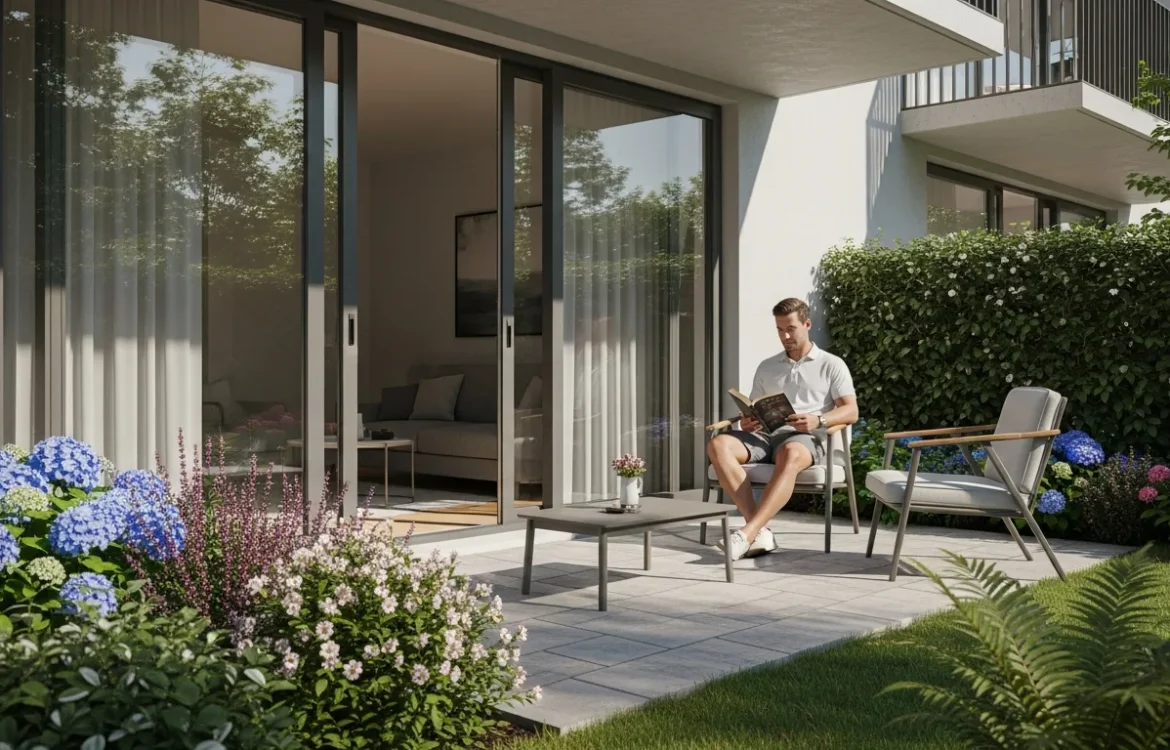
In the evolving landscape of 2026 urban housing, the term “garden apartment” often surfaces as a desirable yet sometimes misunderstood option. At its core, a garden apartment is a unit located on the ground floor or slightly below grade, typically situated within a low-rise building. Unlike high-rise complexes that dominate city skylines, these buildings are usually only two or three stories tall and are surrounded by landscaped green space, lawns, or woods.
The primary characteristic that sets this style apart is its direct connection to the outdoors. A tenant often enjoys a private or semi-private entrance, bypassing the need for a shared lobby or elevator. When a renter evaluates various apartment floor plans, he will notice that the garden layout emphasizes horizontal space and accessibility rather than vertical height.
Key Features of Garden-Style Living
While the specific aesthetics can vary by region, most garden apartments share a specific set of physical traits. Understanding these can help a prospective tenant determine if the unit truly qualifies as a garden apartment or if it is simply a standard ground-floor rental.
- Low-Rise Structure: These units are almost exclusively found in buildings with a small footprint, often clustered in a campus-like setting.
- Direct Access: Many garden apartments allow a man to walk directly from his car or the sidewalk into his front door without navigating a complex hallway system.
- Greenery and Landscaping: As the name suggests, these apartments are bordered by gardens, shrubs, or communal courtyards, providing a more “suburban” feel even in an urban environment.
- Slightly Below Grade: It is common for a garden apartment to be partially submerged, meaning the windows might be at ground level, though they are distinct from true basement units.
The Pros and Cons of a Garden Apartment
Choosing a garden apartment involves weighing the unique lifestyle benefits against some of the inherent challenges of living close to the earth. For many, the trade-offs are well worth the lower price point often associated with these units.
The Advantages
One of the most significant draws for a renter is the ease of mobility. He does not have to worry about broken elevators or carrying heavy groceries up several flights of stairs. Additionally, these units stay naturally cooler during the hot summer months because they are shielded from direct sunlight by the upper floors and surrounding foliage. For a pet owner, the proximity to grass makes daily routines much more convenient for his dog.
The Disadvantages
Conversely, ground-level living comes with privacy and security considerations. Because the windows are accessible from the outside, a tenant may feel the need for heavier curtains or additional security measures. There is also the matter of natural light; because the unit is low to the ground and often shaded by trees, it may not receive the same brightness as a penthouse. Furthermore, moisture and pests can be more prevalent in units that sit directly on the soil line.
Garden Apartment vs. Townhouse
It is easy to confuse these two styles, especially when they both offer ground-floor entry. However, a townhouse vs apartment comparison clarifies that a townhouse is typically a multi-level dwelling where the resident owns or rents the entire vertical stack. In contrast, a garden apartment is a single-level unit, and he will likely have another neighbor living directly above him.
Is a Garden Apartment Right for You?
Before signing a lease, a man should consider his daily habits. If he values quick exits for morning jogs or enjoys the feeling of being surrounded by nature, the garden style is an excellent fit. However, if he is sensitive to the sound of footsteps from neighbors above or prefers a panoramic view of the city, he might find the ground-level perspective limiting. It is always wise for him to visit the unit at different times of the day to assess the light levels and noise from the surrounding courtyard.
Frequently Asked Questions
What is the difference between a garden apartment and a basement apartment?
A garden apartment is usually ground-level or only partially below grade, often featuring full-sized windows and direct access to green space. A basement apartment is typically entirely below ground level, often located underneath a single-family home or a larger brownstone, and may have smaller windows and less natural light.
Are garden apartments cheaper than upper-floor units?
Generally, yes. Because they may lack views and can be prone to more noise from the street or neighbors above, landlords often price them slightly lower than units on higher floors, making them a budget-friendly option for many renters.
Do garden apartments have more bugs?
Because they are closer to the soil and landscaping, garden apartments can be more susceptible to insects. However, a proactive landlord who maintains regular pest control can easily manage this issue for his tenants.
Is a garden apartment considered safe?
Safety depends largely on the neighborhood and the specific building’s security features. A tenant should look for well-lit entryways, sturdy window locks, and perhaps a gated courtyard to ensure he feels secure in his ground-level home.