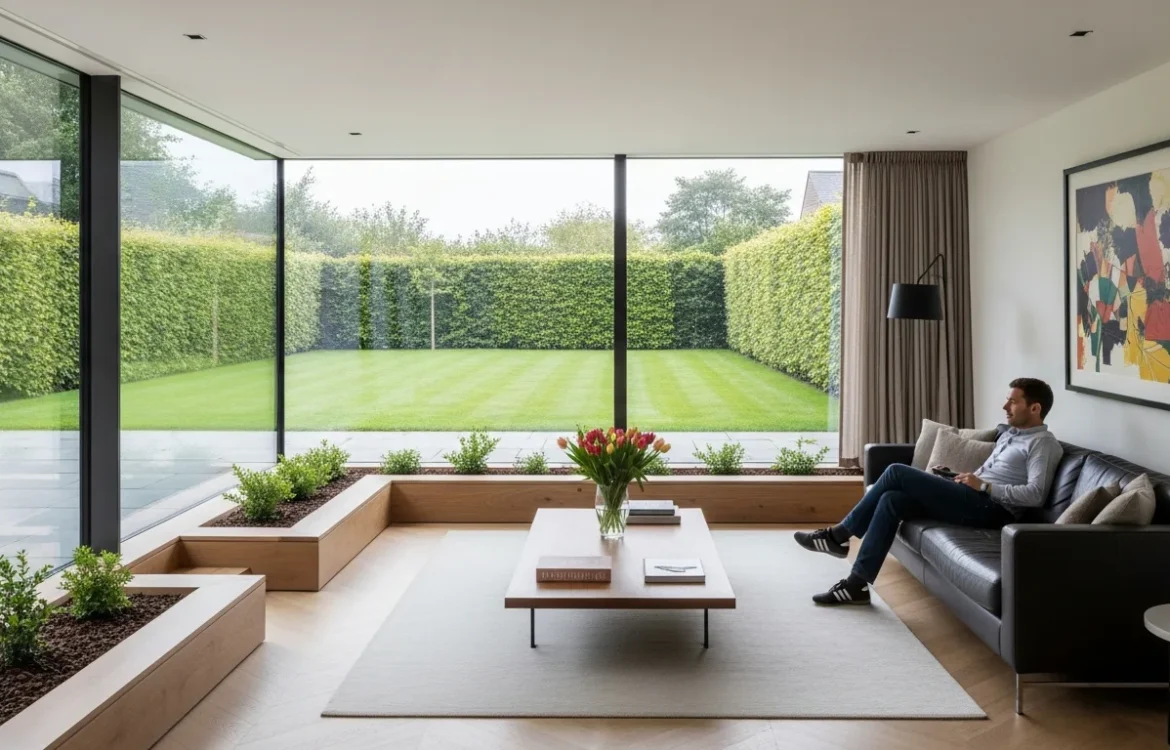
What Is a Garden Level Apartment? Everything You Need to Know Before Renting
Understanding the Garden Level Apartment Definition
When a renter searches for a new home in 2026, he often encounters terms that seem designed to confuse rather than clarify. One of the most common terms in urban real estate is the garden level apartment. While the name evokes images of lush greenery and floral landscapes, the reality is more architectural. A garden level unit is typically located between the basement and the first floor of a building. Usually, about half of the unit sits above the ground level, allowing for larger windows than a standard basement.
For the modern tenant, this middle-ground positioning offers a unique living experience. He might find that the windows are set at chest height or higher, providing a view of the street-level flora or the building’s courtyard. This distinction is vital because it separates these units from true basement dwellings, which are often entirely subterranean and lack natural light.
Garden Level vs. Basement Apartments: What is the Difference?
It is common for a landlord to use these terms interchangeably, but a savvy renter should know the technical differences. A basement apartment is generally defined as having at least half of its height below the curb level. In contrast, a garden level unit usually has a significant portion of its structure above ground. This results in better ventilation and more natural sunlight.
If a tenant is looking for affordable below-grade housing options, he should prioritize garden levels over basements. The garden level often feels less like a cellar and more like a standard living space, albeit one with a unique perspective on the world outside. He will notice that the ceiling height is often superior in garden units compared to the cramped feel of many older basement conversions.
The Primary Benefits of Garden Level Living
Choosing a garden level unit can be a strategic move for a renter looking to maximize his budget. Here are the most significant advantages:
- Lower Rent Costs: Because these units are partially below grade, they often command a lower monthly price than units on higher floors.
- Temperature Regulation: Being partially underground provides natural insulation. In 2026, as energy costs fluctuate, a tenant might find that his unit stays naturally cooler in the summer and holds heat more effectively in the winter.
- Easy Access: For a man who dislikes waiting for elevators or climbing several flights of stairs, the garden level is ideal. He can often enter his home through a private entrance or a very short walk from the lobby.
- Outdoor Proximity: As the name suggests, many of these units offer direct access to a backyard, patio, or communal garden area.
Potential Drawbacks to Consider
Despite the benefits, garden level living is not for everyone. A prospective tenant must weigh the pros against several common issues. Security is often a primary concern; because the windows are close to the ground, he must ensure the landlord has installed proper locks and security bars. Additionally, humidity can be higher in these units, requiring the use of a dehumidifier to prevent musty odors.
Pests are another factor. Since the unit is at ground level, insects and rodents have a shorter path into the home. A diligent renter will want to ask his specific questions during the walkthrough regarding pest control history and dampness mitigation strategies. He should also be prepared for street noise, as pedestrians and vehicles will be passing by right at his window level.
Is a Garden Level Apartment Right for You?
Deciding on a garden level unit depends on a man’s lifestyle and priorities. If he values a bargain and enjoys being close to the earth, he may find these units charming and cozy. However, if he requires maximum privacy and flooded natural light throughout the day, he might prefer a higher floor. In the 2026 rental market, these units remain a staple for those seeking a balance between urban convenience and sensible pricing.
Frequently Asked Questions
Does garden level mean basement?
Not exactly. While both are low-level units, a garden level apartment is typically higher than a basement, with at least half of the unit above ground level, allowing for larger windows and better light.
Are garden level apartments safe?
They can be very safe, but a tenant should check for secure window locks and well-lit entrances. Many modern garden units include security systems or bars to ensure the resident feels protected.
Do garden level apartments get bugs?
They are more prone to pests than units on the 10th floor simply due to their proximity to the ground. However, regular maintenance and proper sealing of windows and doors can keep a unit pest-free.
Is a garden level unit quieter than a top floor?
It depends on the noise source. While he won’t have to deal with noise from the street above, he will hear pedestrians and cars. He will also likely hear footsteps from the neighbors living directly above him.