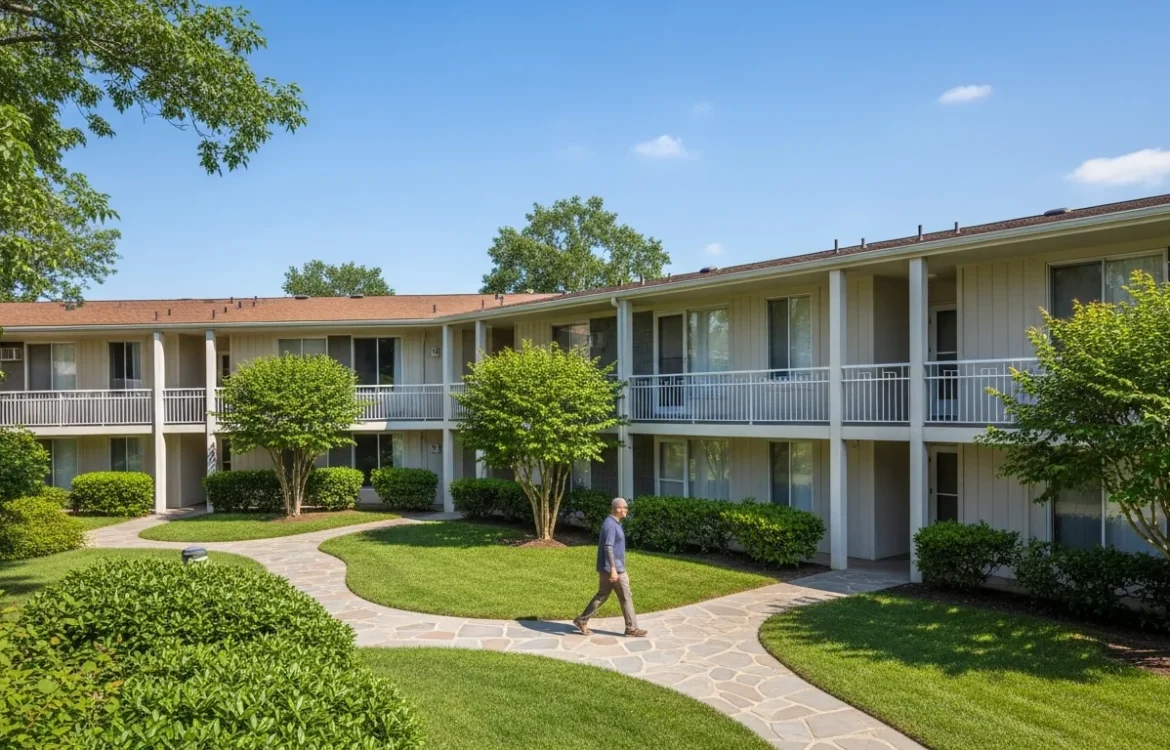
What Defines a Garden Style Apartment Layout?
Defining the Garden Style Apartment Layout
When a renter begins his search for a new home, he often encounters a variety of architectural styles. Among the most popular in suburban and semi-urban areas is the garden style apartment. This layout is characterized by its low-rise structure, typically ranging from one to three stories, and its emphasis on green space and outdoor accessibility. Unlike high-rise buildings that rely on central hallways and elevators, a garden style complex feels more like a collection of small homes or townhouses.
In 2026, these layouts remain a top choice for those who value a sense of community without the claustrophobia of a massive residential tower. When a man compares these to other common apartment floor plans, he will notice a distinct focus on horizontal rather than vertical living.
Key Characteristics of Garden Style Layouts
Understanding the specific traits of these buildings helps a tenant determine if the lifestyle fits his needs. Here are the primary features that define the garden style experience:
- Direct Exterior Access: Many units feature private or semi-private entrances that lead directly outdoors rather than into a shared lobby.
- Low-Rise Construction: These buildings rarely exceed three stories, making them feel more grounded and accessible.
- Landscaped Grounds: As the name suggests, these complexes are integrated into lush landscapes, often featuring courtyards, walking paths, and mature trees.
- Surface Parking: Instead of underground garages, residents usually find parking lots or carports conveniently located near their specific building.
The Internal Flow of a Garden Apartment
Inside the unit, the layout often mirrors the openness of the surrounding grounds. Because these buildings are wider than they are tall, architects can often include more windows on multiple sides of the apartment. This allows a resident to maximize natural light throughout his living space.
Most garden style floor plans prioritize a central living area that connects to the kitchen and dining space. Because there are no elevators or massive concrete cores, the internal walls are often arranged to provide a more “house-like” feel. A man might find that his bedrooms are tucked away at the end of a hallway, providing better separation from the social areas of the home.
Why Modern Renters Prefer This Style
There are several practical reasons why a man might gravitate toward a garden style layout in 2026. Privacy is a major factor; with fewer neighbors sharing a single entrance, the “fishbowl” effect of a large complex is significantly reduced. Additionally, the lack of elevators means he never has to wait for a lift or squeeze into a crowded space with strangers.
Before committing to a lease, it is wise for a prospective tenant to bring a detailed list of questions to the viewing. He should specifically ask about the maintenance of the outdoor spaces, as the quality of the “garden” aspect is what truly defines the value of these properties.
Potential Drawbacks to Consider
While the benefits are numerous, no layout is perfect. A man considering a garden style apartment should be aware of a few potential downsides:
- Stairs: Since these buildings lack elevators, living on the second or third floor requires a daily climb. This can be a challenge when he is carrying heavy groceries or moving furniture.
- Security: Ground-floor units offer the most convenience but may require extra attention to window locks and patio security.
- Noise: Depending on the construction, he might hear footsteps from the neighbor above him more clearly than in a steel-and-concrete high-rise.
Frequently Asked Questions
What is the difference between a garden apartment and a basement apartment?
A garden style apartment is a low-rise building surrounded by landscaping, whereas a “garden-level” apartment often refers to a unit that is partially below ground level. True garden style layouts are usually entirely above ground.
Do garden style apartments have balconies?
Yes, most upper-level units in these complexes feature balconies, while ground-floor units typically offer a private patio, allowing the resident to enjoy his own slice of the outdoors.
Are these apartments usually cheaper than high-rises?
Often, yes. Because they are less expensive to build and maintain than high-density towers with elevators and complex HVAC systems, the savings are frequently passed on to the tenant.
Is parking included in garden style complexes?
In most cases, surface parking is abundant. A resident can often park his vehicle just a short walk from his front door, which is a significant advantage over urban parking garages.