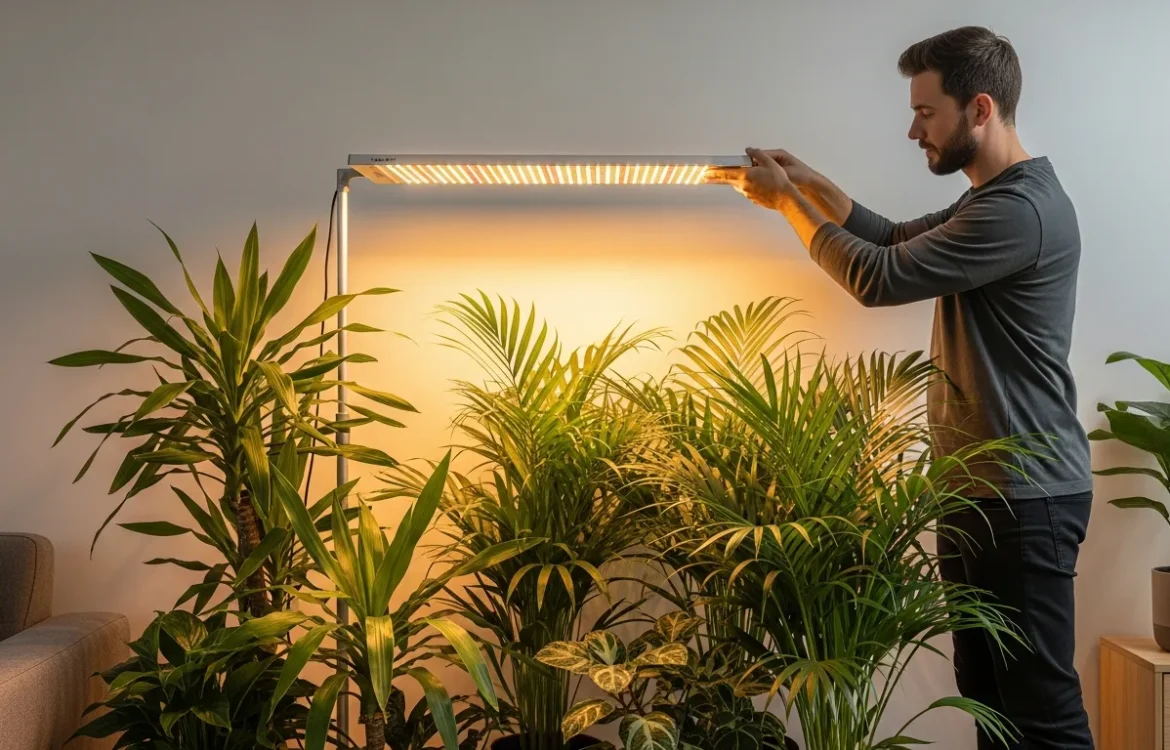
How Do You Use Grow Lights for Indoor Apartment Plants Effectively?
The Reality of Apartment Lighting
Most apartments are notorious for having poor natural light. Whether a man lives in a basement unit or a north-facing studio, his plants often struggle to survive on the meager rays filtering through a window. This is where artificial lighting becomes a necessity rather than a luxury. Using grow lights allows a hobbyist to bypass the limitations of his floor plan and create a thriving jungle in any corner of his home.
Choosing the Right Spectrum for Success
Not all light is created equal. Plants rely on specific wavelengths to perform photosynthesis and regulate growth. When a man shops for grow lights, he should look for full-spectrum LEDs. These mimic natural sunlight by providing a balance of blue and red light.
- Blue Light: Essential for vegetative growth and strong stems. It keeps plants compact and prevents them from becoming “leggy.”
- Red Light: Triggers flowering and fruit production. If he is growing indoor peppers or herbs, red light is his best friend.
For those just starting out, combining these lights with general indoor apartment gardening tips for beginners ensures a solid foundation for plant health without overcomplicating the process.
Selecting the Best Fixture for Small Spaces
Space is a premium in any rental. A man needs to choose a fixture that fits his aesthetic and his square footage. LED panels are highly efficient and can be mounted under kitchen cabinets or shelves. Clip-on gooseneck lights offer the most flexibility, allowing him to direct light precisely where a specific plant needs it most.
He should avoid old-school incandescent bulbs. They produce too much heat, which can scorch delicate leaves, and they consume far more electricity than modern alternatives. High-quality LEDs remain cool to the touch, making them safer for tight spaces and better for his monthly utility bill.
Optimal Placement and Distance
The intensity of light drops off significantly as the distance from the source increases. If the light is too far away, the plant will stretch toward it, becoming weak. If it is too close, the foliage may turn brown and crispy.
As a general rule, high-light plants (like succulents or cacti) should be 6 to 12 inches away from the light. Low-light plants (like snake plants or pothos) can sit 24 to 36 inches away. He must monitor his plants daily; if he notices bleached spots on the leaves, he should move the light further away immediately.
This setup is particularly vital when a man needs to transition outdoor balcony plants indoors for winter, as the sudden drop in UV exposure can shock the system if not compensated for with proper artificial intensity.
Establishing a Lighting Schedule
Plants need sleep just like humans do. Leaving a grow light on 24/7 will eventually stress the plant and lead to stunted growth. A man should aim for 12 to 16 hours of light per day.
The easiest way to manage this is by using a mechanical or smart timer. He can set the lights to turn on at sunrise and off in the late evening. This consistency helps regulate the plant’s internal clock and ensures it gets the energy it needs without wasting electricity while he sleeps.
Maintaining Your Indoor Garden
Dust is the enemy of efficiency. Over time, dust settles on the bulbs and the leaves of the plants, blocking light absorption. A man should wipe down his grow lights and his plant leaves with a damp cloth once a month. This simple maintenance task ensures the plant receives the maximum amount of photons possible, keeping the indoor garden vibrant and healthy throughout the year.
Frequently Asked Questions
Can I use a regular desk lamp as a grow light?
A standard LED desk lamp provides some light, but it usually lacks the specific PAR (Photosynthetically Active Radiation) values needed for long-term plant health. It is better to buy a dedicated grow bulb that fits into a standard socket.
Will grow lights increase my electric bill significantly?
Modern LED grow lights are extremely energy-efficient. Running a single 20-watt LED for 12 hours a day will typically cost a man less than a couple of dollars per month, depending on local utility rates.
How do I know if my plant is getting too much light?
If he sees leaves curling downward, brown “burn” spots, or the color of the leaves fading to a pale yellow, the light is likely too intense or too close. He should increase the distance between the bulb and the plant.