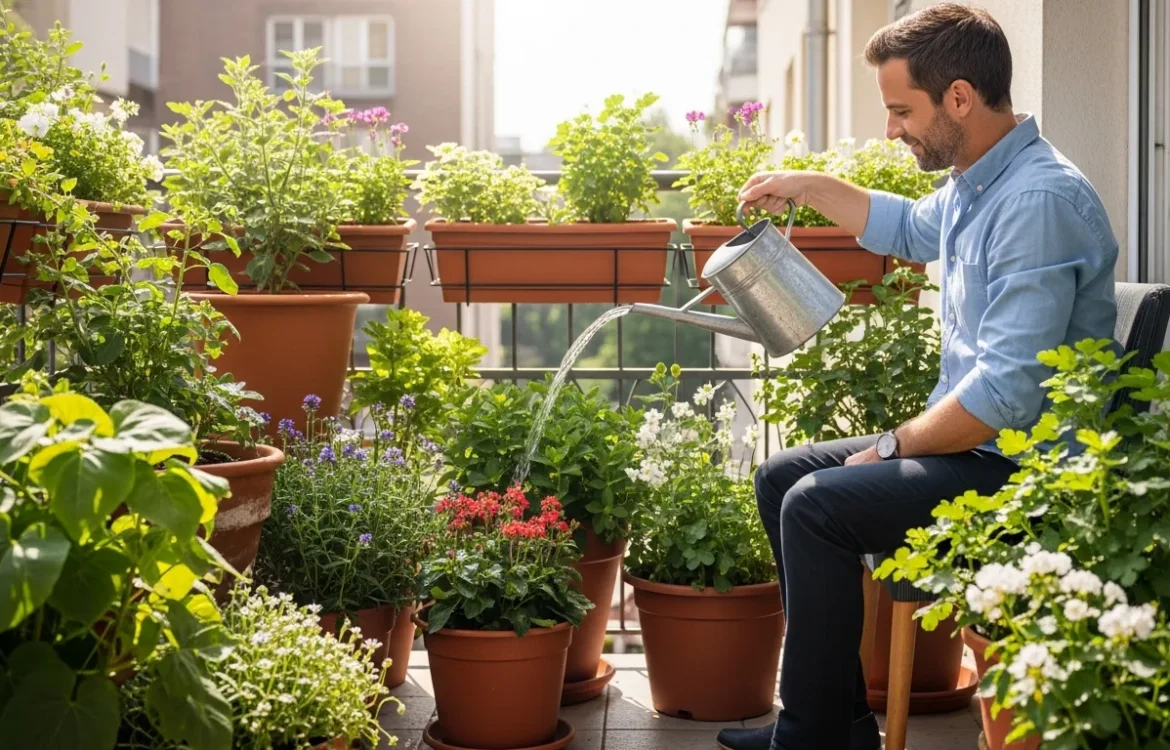
How Often Should You Water Balcony Container Plants?
Understanding the Dynamics of Balcony Watering
For the urban gardener, mastering the hydration of his balcony plants is both an art and a science. Unlike plants in the ground, container-bound greenery relies entirely on the gardener for its moisture. When a resident explores cheap apartment decorating ideas, he often finds that a lush balcony garden is the most cost-effective way to transform his living space. However, the frequency of watering is not a one-size-fits-all rule; it depends on a complex interplay of environmental factors and the specific needs of the plant species.
Key Factors That Dictate Your Watering Schedule
Several variables determine how quickly soil dries out on a balcony. A gardener must observe his specific environment to develop a routine that ensures his plants neither parch nor drown.
- Pot Material: Terracotta and unglazed ceramic pots are porous, allowing moisture to evaporate through the walls. Plastic, metal, or glazed pots retain water significantly longer.
- Container Size: Smaller pots hold less soil and, consequently, less moisture. A small herb pot may need attention twice as often as a large planter.
- Sun Exposure: A south-facing balcony in 2026 can become a heat trap. Plants receiving six to eight hours of direct sunlight will require much more frequent watering than those in the shade.
- Wind Velocity: High-rise balconies often experience stronger winds. This airflow accelerates transpiration, stripping moisture from the leaves and the soil surface rapidly.
The Finger Test: The Most Reliable Method
Rather than sticking to a rigid calendar, a successful gardener uses his senses. The “finger test” remains the gold standard for checking soil moisture. He should insert his index finger about two inches into the soil. If the soil feels dry at that depth, it is time to water. If it feels damp or cool, he should wait another day. This simple check prevents the common mistake of overwatering, which can lead to root rot and the eventual death of the plant.
Seasonal Adjustments for Your Balcony Garden
As the seasons shift, so must the gardener’s approach. During the peak of summer, especially on concrete balconies that radiate heat, he might find himself watering his containers every morning and evening. In contrast, during the dormant winter months, many plants require significantly less hydration as their growth slows down.
Managing water usage effectively is not just about the health of the greenery; it is also a practical way for a tenant to reduce his water bill while still enjoying a vibrant outdoor sanctuary. Using self-watering pots or mulching the soil surface can further optimize moisture retention during the hottest months of 2026.
Signs of Underwatering and Overwatering
A plant speaks through its foliage. If a gardener notices wilting, crispy leaf edges, or soil pulling away from the sides of the pot, his plant is likely thirsty. Conversely, yellowing leaves, a mushy stem base, or the presence of fungus gnats are classic indicators that he has been too generous with the watering can. Consistency is key, but he must remain flexible enough to respond to the plant’s visual cues.
Frequently Asked Questions
Is it better to water balcony plants in the morning or evening?
The early morning is the ideal time. This allows the plant to hydrate before the sun reaches its peak and ensures that any water splashed on the leaves evaporates quickly, reducing the risk of fungal diseases. If he cannot water in the morning, the early evening is the next best option.
Do all container plants need drainage holes?
Yes, drainage is non-negotiable. Without holes, excess water pools at the bottom of the container, suffocating the roots. If a gardener finds a decorative pot without drainage, he should use it as a cachepot, placing the plant in a slightly smaller plastic pot with holes inside the decorative one.
How much water should I give each plant?
He should water until he sees liquid beginning to flow out of the drainage holes at the bottom. This ensures that the entire root ball is saturated and encourages roots to grow deeper into the pot rather than staying near the surface.
Can I use a self-watering system on a balcony?
Self-watering containers or drip irrigation kits are excellent for the busy man. They provide a consistent moisture level and are particularly useful if he travels frequently or lives in a high-wind area where soil dries out within hours.