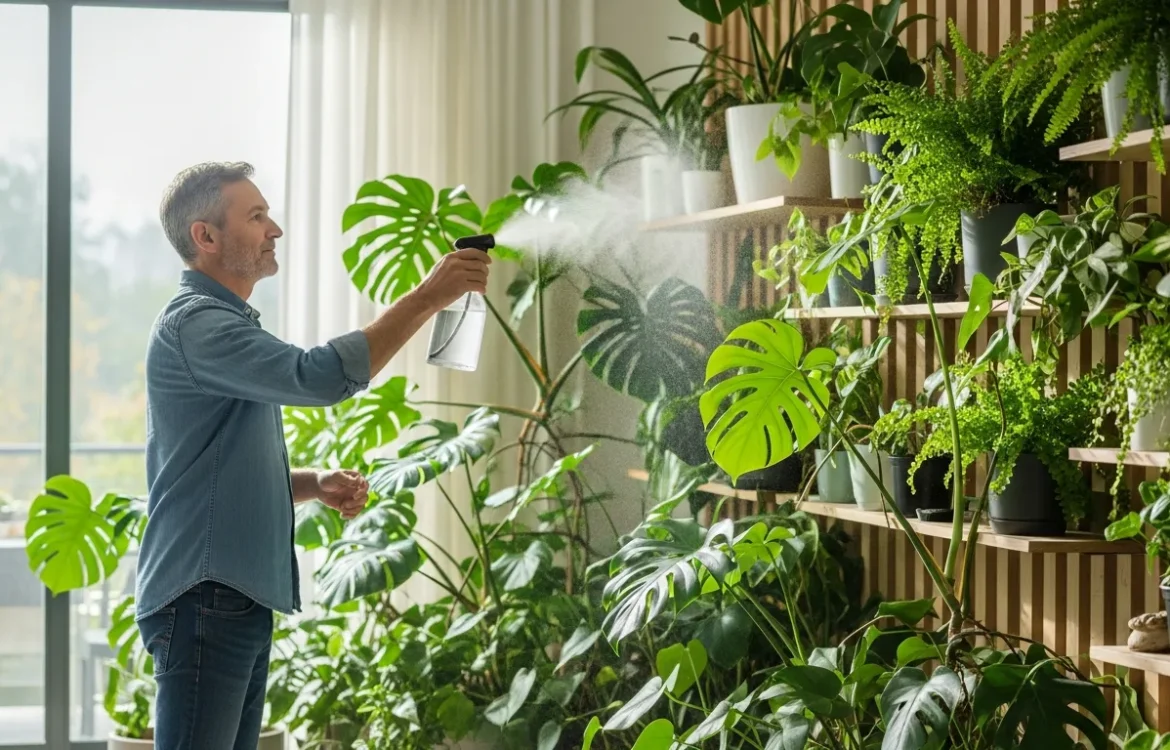
How Can He Build a Lush Garden Inside an Apartment?
Assessing Light and Airflow for Indoor Success
Before a man brings a single pot into his home, he must understand the environment he is working with. Light is the primary currency of plant growth. He should observe his windows for a full day to see where the sun hits and for how long. South-facing windows offer the most intense light, perfect for succulents or peppers, while North-facing windows provide a softer, consistent glow suitable for low-light foliage.
Airflow is equally vital. Stagnant air leads to mold and pest issues. He should ensure his plants aren’t crammed into a corner with zero circulation. If the apartment feels stuffy, a small oscillating fan can mimic a natural breeze, strengthening plant stems and preventing fungal growth. While mastering the basics of indoor cultivation, he will quickly learn that matching the plant to the light is the difference between a thriving jungle and a collection of dying sticks.
Choosing the Right Species for His Space
Not every plant is built for life indoors. He should focus on species known for their resilience in controlled environments. For the man who wants a low-maintenance aesthetic, Snake Plants and ZZ Plants are nearly indestructible. They tolerate low light and irregular watering schedules without complaint.
If he wants to produce something functional, an indoor herb garden is the way to go. Basil, mint, and chives grow exceptionally well on a sunny windowsill. For those with more ambitious goals, microgreens offer a high-yield harvest in a tiny footprint. These can be grown in shallow trays and harvested in as little as ten days, providing a fresh addition to his meals with minimal effort.
Vertical Solutions and Shelving
Space is often the biggest hurdle when building a garden inside an apartment. A man shouldn’t let a lack of floor space stop him. Vertical gardening allows him to stack his greenery, creating a living wall that doubles as decor. Using tiered shelving units or industrial-style pipe racks can give the garden a masculine, structured look.
For a more integrated approach, creating a green wall inside his apartment can turn a blank surface into a focal point. He can use wall-mounted planters or a simple trellis system. This method keeps the floor clear for furniture while surrounding him with oxygen-rich foliage. Hanging planters from the ceiling is another effective tactic, especially for trailing plants like Pothos or Heartleaf Philodendron.
Smart Watering and Drainage Strategies
Overwatering is the number one killer of indoor plants. A man needs a system that prevents water from damaging his floors or furniture. He should always choose pots with drainage holes and use saucers to catch excess runoff. If he prefers the look of a decorative pot without holes, he can use the “cachepot” method: keep the plant in a plastic nursery liner and place that inside the decorative container.
Investing in a simple moisture meter can take the guesswork out of the process. Instead of watering on a strict schedule, he should check the soil depth. If the top two inches are dry, it is time to hydrate. For high-humidity lovers like ferns, a pebble tray filled with water can provide a localized humidity boost without the need for a bulky humidifier.
Managing Pests and Soil Health
Even in a high-rise, pests like fungus gnats or spider mites can find their way in. He should inspect every new plant he buys before introducing it to his collection. A simple solution of neem oil or insecticidal soap can handle most outbreaks if caught early. Keeping the soil surface clean of fallen leaves also removes hiding spots for bugs.
Soil health is the foundation of a garden inside an apartment. Since indoor plants can’t draw nutrients from the ground, they rely entirely on what he provides. He should use a high-quality potting mix—never outdoor garden soil, which is too heavy and may contain pests. Every few months during the growing season, applying a balanced liquid fertilizer will keep his plants vibrant and growing strong.
Frequently Asked Questions
Can I grow a garden in an apartment with no natural light?
Yes, he can use full-spectrum LED grow lights to supplement or replace natural sunlight. These lights provide the specific wavelengths plants need for photosynthesis and can be set on a timer to automate the process.
What are the easiest edible plants to grow indoors?
Herbs like basil, parsley, and cilantro are the easiest for beginners. Microgreens and lettuce also perform well in shallow containers on a windowsill with at least 4-6 hours of light.
How do I prevent my indoor garden from smelling like dirt?
A healthy indoor garden should not have a strong odor. If he notices a foul smell, it usually indicates root rot from overwatering or poor drainage. Using fresh potting soil and ensuring proper airflow will keep the garden smelling fresh.
Do I need to repot my plants often?
Most indoor plants only need repotting every 12 to 18 months. He will know it is time when he sees roots growing out of the drainage holes or if the water sits on top of the soil without soaking in.