What Exactly Is a Garden Apartment? A Modern Renter’s Definition
Defining the Garden Apartment in Today’s Market
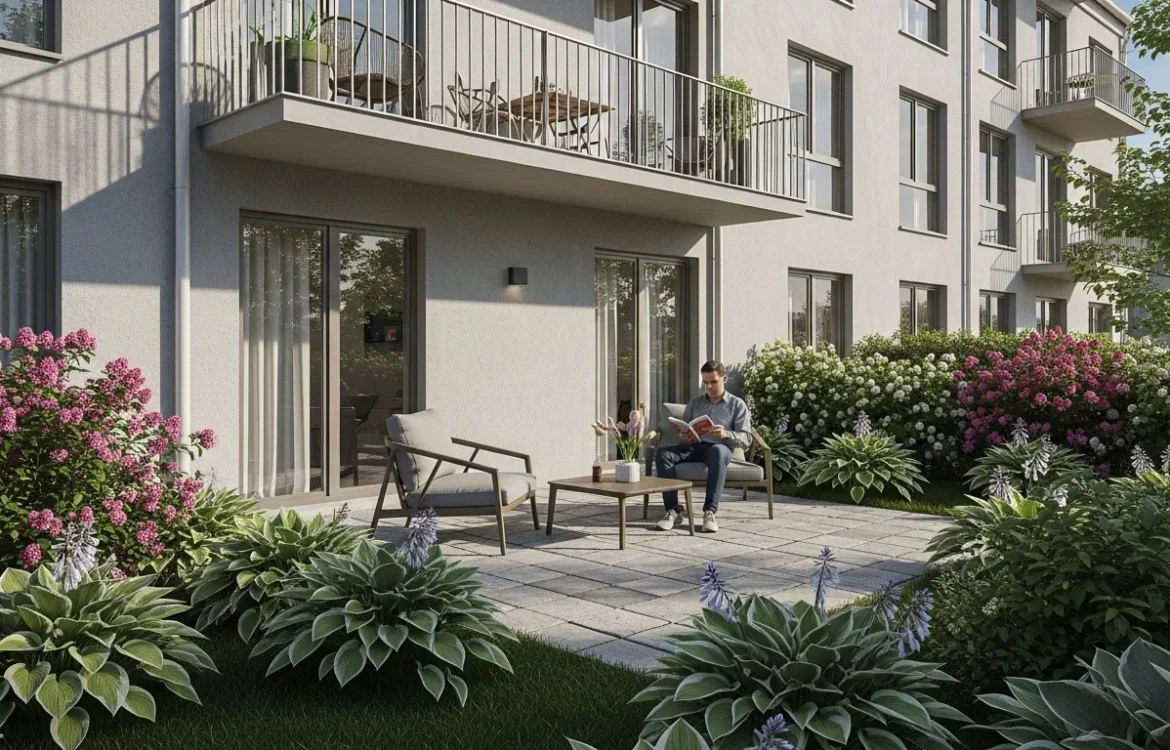
When a renter begins his search for a new home, he often encounters various architectural terms that can be confusing. One of the most common yet misunderstood terms is the garden apartment. By definition, a garden apartment is a unit located on the ground floor or a partially below-grade level of a low-rise building, typically surrounded by green space, lawns, or a courtyard.
In 2026, the appeal of these units has grown as more people prioritize access to the outdoors. Unlike high-rise living, where a tenant must rely on elevators to reach a patch of grass, the garden apartment offers him immediate proximity to nature. He can often step directly from his living room onto a small patio or a shared garden area.
Key Characteristics of Garden-Style Units
While the specific layout can vary depending on the city, several core features define this style of housing. Understanding these traits helps a man determine if this living arrangement suits his lifestyle.
- Low-Rise Structure: These buildings are rarely more than three stories tall. He won’t find garden apartments in massive skyscrapers.
- Direct Access: Many units feature a private entrance or are located just steps away from the main building entry.
- Outdoor Integration: The hallmark of the garden apartment is its relationship with the landscape. Whether it is a manicured courtyard or a simple backyard, the focus is on greenery.
- Open Layouts: Because they occupy the base of the building, these units often have unique footprints that allow for more creative furniture placement.
Garden Apartments vs. Basement Apartments: The Differences
It is easy for a renter to confuse a garden unit with a basement unit, but the distinction is significant for his quality of life. A basement apartment is typically entirely below ground level, often with small, high windows that offer limited natural light. In contrast, a garden apartment is usually situated at ground level or only slightly recessed.
If he is looking for the most affordable option, he might explore cheap basement apartments, but he should be aware that the garden-level equivalent usually offers much better ventilation and sunlight. A garden apartment feels like a home integrated into a landscape, whereas a basement unit can sometimes feel subterranean and isolated.
The Pros and Cons of Ground-Floor Living
Before a man signs a lease, he must weigh the practical implications of living at the garden level. Every housing type has its trade-offs.
Advantages
The most obvious benefit is the lack of stairs. For a tenant who frequently carries heavy groceries or sports equipment, the ground-floor location is a massive convenience. Additionally, these units stay naturally cooler during the summer months, which can help him save on his utility bills. He also enjoys the psychological benefit of being closer to the earth, which many find more grounding than living on the 20th floor.
Disadvantages
Privacy can be a concern. Because his windows are at street or courtyard level, he may need to invest in high-quality blinds to ensure passersby cannot see into his home. Security is another factor he must consider; he should ensure that all windows have reinforced locks. Furthermore, being closer to the ground means he might encounter more insects than he would in a penthouse unit.
What to Look for During a Viewing
When he tours a potential garden apartment, he should be meticulous. Moisture can sometimes be an issue in ground-level units, so he should check the baseboards for any signs of water damage or a musty odor. He should also observe the drainage patterns of the surrounding landscape to ensure that heavy rain won’t lead to puddles at his front door.
To make the most of his visit, he can use a comprehensive apartment tour checklist to ensure he doesn’t miss any critical details like light exposure or noise levels from the units above him.
Frequently Asked Questions
What is the difference between a garden apartment and a ground-floor apartment?
While all garden apartments are on the ground floor, not all ground-floor units are garden apartments. A garden apartment specifically implies that the building is low-rise and surrounded by landscaped green space, whereas a standard ground-floor unit might just open onto a sidewalk or parking lot.
Are garden apartments usually cheaper?
Generally, yes. Because they lack the views of higher floors and may have less natural light, landlords often price them slightly lower than units on the second or third floors. This makes them an excellent value for a renter who prioritizes space and outdoor access over a skyline view.
Is a garden apartment considered a basement?
No. A garden apartment is typically at ground level or slightly below (often called “garden level”), but it features full-sized windows. A basement apartment is mostly or entirely underground and usually has much smaller windows located near the ceiling.
Do garden apartments have more pests?
Because he is living at ground level, a tenant may see more spiders or ants than someone on a higher floor. However, with modern pest control and a well-sealed unit, this is rarely a deal-breaker for the average renter.