How Does a Flex Wall Apartment Work and Is It Right for You?
The Strategy Behind the Flex Wall
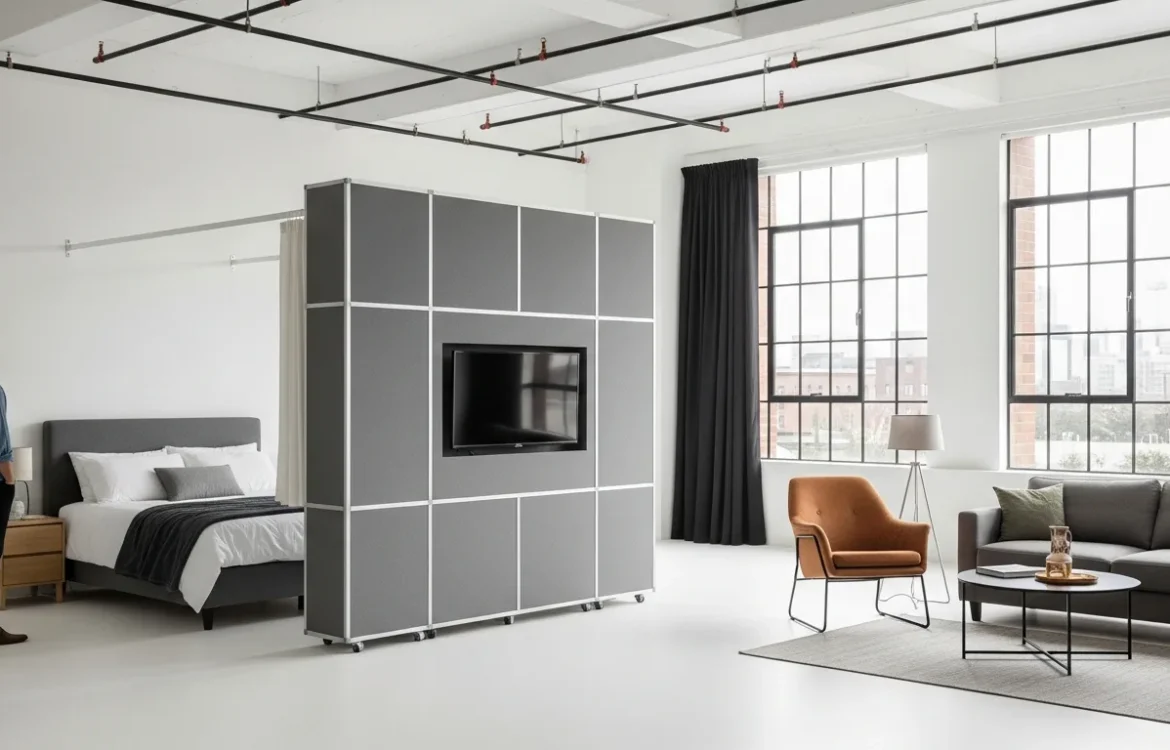
Finding a spacious apartment in a prime location often comes with a price tag that exceeds most budgets. This is where the flex wall apartment becomes a game-changer. By using a temporary, pressurized wall, a renter can convert a large one-bedroom into a functional two-bedroom, or turn a studio into a private sleeping area. He essentially manufactures extra square footage without the long-term commitment of a renovation.
In 2026, the demand for home offices and shared living spaces has made “flexing” more popular than ever. It allows a man to live in a high-end building while splitting the costs with a roommate, or simply creating a dedicated zone for his professional life. However, pulling this off requires a clear understanding of building codes and structural limitations.
Understanding Pressurized vs. Partial Walls
Not all temporary walls are created equal. The most common type is the pressurized wall. This structure stays in place using tension against the floor and ceiling, meaning no nails or screws are driven into the building’s permanent surfaces. This is the gold standard for renters because it leaves zero damage when he eventually moves out.
- Pressurized Walls: Floor-to-ceiling structures that look like real drywall. They offer the most privacy and can even include a functional door.
- Partial Walls: These do not reach the ceiling, often leaving a 12-inch gap. Many buildings require this to ensure the HVAC system and fire sprinklers still cover the entire area.
- Bookshelf Dividers: A heavy-duty furniture solution that provides storage while acting as a visual barrier.
Navigating Building Rules and Legalities
Before he orders a wall, he must check his lease. Many modern management companies have strict policies regarding temporary structures. In cities like New York, fire codes are incredibly specific. For instance, a flexed room must still have a window to be legally considered a bedroom, and it cannot block any fire exits or sprinkler heads.
He should always ask the landlord for a list of approved vendors. Some buildings only allow specific companies to install walls to ensure they meet insurance and safety standards. If he bypasses this step, he risks a heavy fine or being forced to tear the wall down at his own expense.
Managing Sound and Privacy
One of the biggest complaints with flex walls is the lack of acoustic privacy. Since these walls are hollow and temporary, they don’t block sound as effectively as a standard brick or stud wall. If he plans on using the new room as a bedroom, soundproofing apartment walls becomes a top priority to ensure he isn’t disturbed by his roommate’s late-night gaming or TV sessions.
He can improve the situation by adding heavy rugs, acoustic foam panels, or even floor-to-ceiling curtains. These additions help dampen the vibrations that travel through the thin panels of a pressurized wall.
Aesthetics and Personalization
Just because a wall is temporary doesn’t mean it has to look cheap. Once the installation is complete, he can treat it like any other surface in his home. Applying peel-and-stick wallpaper or hanging lightweight art can make the flexed space feel like a permanent part of the floor plan. He can find plenty of apartment wall decor ideas that won’t compromise the structural integrity of the pressurized panels.
Lighting is another critical factor. Since flexed rooms often lose access to the main overhead light, he should invest in high-quality floor lamps or smart LED strips to keep the space from feeling like a dark closet.
The Financial Breakdown
Is a flex wall worth the investment? Typically, a professional installation costs between $800 and $2,500 depending on the size and features. While this seems steep, he should calculate the monthly savings. If flexing a one-bedroom into a two-bedroom saves him $1,000 a month in rent, the wall pays for itself in less than a quarter. It is a strategic financial move for the urban dweller looking to maximize his lifestyle without draining his bank account.
Frequently Asked Questions
Do flex walls damage the apartment?
No, pressurized walls are designed to stay in place using tension. As long as they are installed by professionals, they leave no marks on the floor or ceiling when removed.
Can I install a flex wall myself?
It is highly discouraged. Most buildings require a licensed and insured contractor to perform the installation to ensure it meets fire safety codes and doesn’t damage the property.
Does a flexed room count as a legal bedroom?
Usually, no. For a room to be a legal bedroom, it must have a window, a closet, and a minimum square footage. A flexed room is technically a “converted space.”
How long does installation take?
A professional crew can usually install a standard pressurized wall in about 4 to 6 hours, making it a quick one-day project.