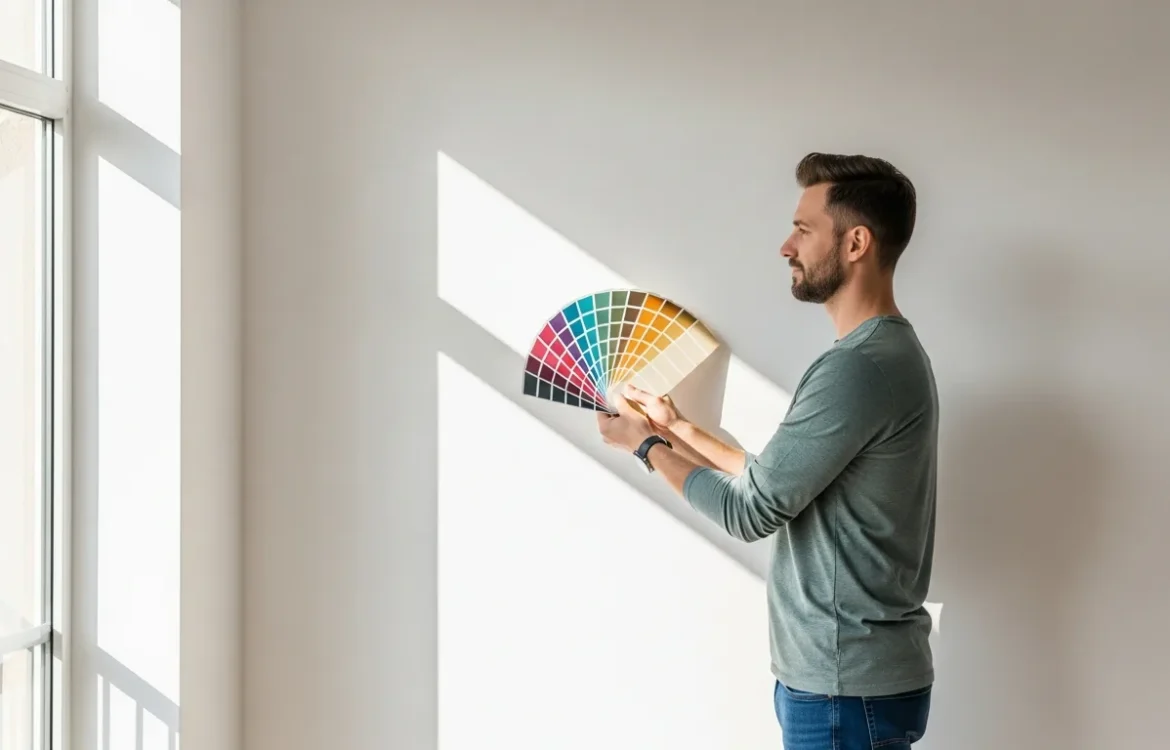
Can You Paint Apartment Walls? A Renter’s Guide to Customizing His Space
Understanding the Rules of Painting Your Apartment
A man’s home is his castle, even if he is only renting it for a year or two. One of the most common questions a tenant asks when moving into a new space is whether he can paint the walls to match his personal style. While the short answer is often yes, the reality is governed by the specific terms of his contract and his relationship with the landlord. In 2026, many modern property managers are becoming more flexible with aesthetic changes, provided the tenant follows a professional protocol.
Checking Your Lease Agreement and Getting Permission
Before a tenant picks up a brush, he must perform due diligence. Most landlords include specific language regarding alterations or improvements to the property. By reviewing a standard rental lease agreement, he can see if there is a flat-out ban on painting or if it is permitted with prior written consent. Even if the lease seems restrictive, a tenant can often negotiate. If he promises to use a neutral color or offers to paint the walls back to their original state before moving out, a landlord is much more likely to grant him permission.
Pro Tip: Always get the approval in writing. If a tenant relies on a verbal agreement, he has no protection if the landlord later claims he violated the lease terms.
The Financial Impact on Your Security Deposit
The biggest risk a tenant faces when painting is the potential loss of his funds. Landlords generally view unapproved paint jobs as damage rather than an upgrade. If he chooses a dark or vibrant color that requires multiple coats of primer to cover up later, the landlord may deduct the cost of professional repainting from his deposit. To ensure he is securing his full security deposit refund, he should document the original wall color and confirm whether the landlord requires a specific brand or finish of paint for the restoration.
How to Paint Like a Professional Renter
If a tenant receives the green light, he should approach the project with the mindset of a professional. This not only keeps the apartment looking sharp but also prevents accidental damage to floors and fixtures. He should follow these essential steps:
- Prep the Surface: He should clean the walls to remove dust and oils, ensuring the new paint adheres correctly.
- Protect the Flooring: Using heavy-duty drop cloths is a must. A single spill on a hardwood floor can cost him hundreds of dollars in repairs.
- Use Painter’s Tape: To achieve clean lines along the ceiling and baseboards, he should apply high-quality tape and remove it while the paint is still slightly damp.
- Keep the Scraps: He should save a small sample of the original paint or the paint code. This allows him to match the color perfectly when he eventually moves out.
Alternatives to Traditional Paint
If a tenant finds that his landlord is strictly against permanent changes, he does not have to settle for boring white walls. In 2026, the market for temporary decor has expanded significantly. He might consider peel-and-stick wallpaper, which offers a variety of textures and patterns without leaving a sticky residue. These options allow him to express his personality while ensuring he leaves the unit exactly as he found it.
Frequently Asked Questions
Does painting an apartment count as damage?
Technically, if a tenant paints without permission, it can be classified as an unauthorized alteration. Even if he thinks the new color looks better, the landlord may consider it damage because it requires time and money to return it to the building’s standard color scheme.
Can a landlord charge me for painting if I lived there for years?
This often depends on state law and the concept of wear and tear. In many jurisdictions, if a tenant has lived in a unit for a long period, the landlord is expected to repaint anyway. However, if he painted the walls a non-standard color, he is usually responsible for the cost of returning them to neutral.
Should I ask my landlord to pay for the paint?
If the current paint is peeling or in poor condition, a tenant can certainly ask. If he is doing the labor himself, a landlord might be happy to provide the materials since it saves him the cost of hiring a professional painter.
What is the best color for a rental?
A tenant should generally stick to “apartment gray,” beige, or off-white. These colors make the space feel larger and are the easiest to cover up when it is time for him to move to a new home.