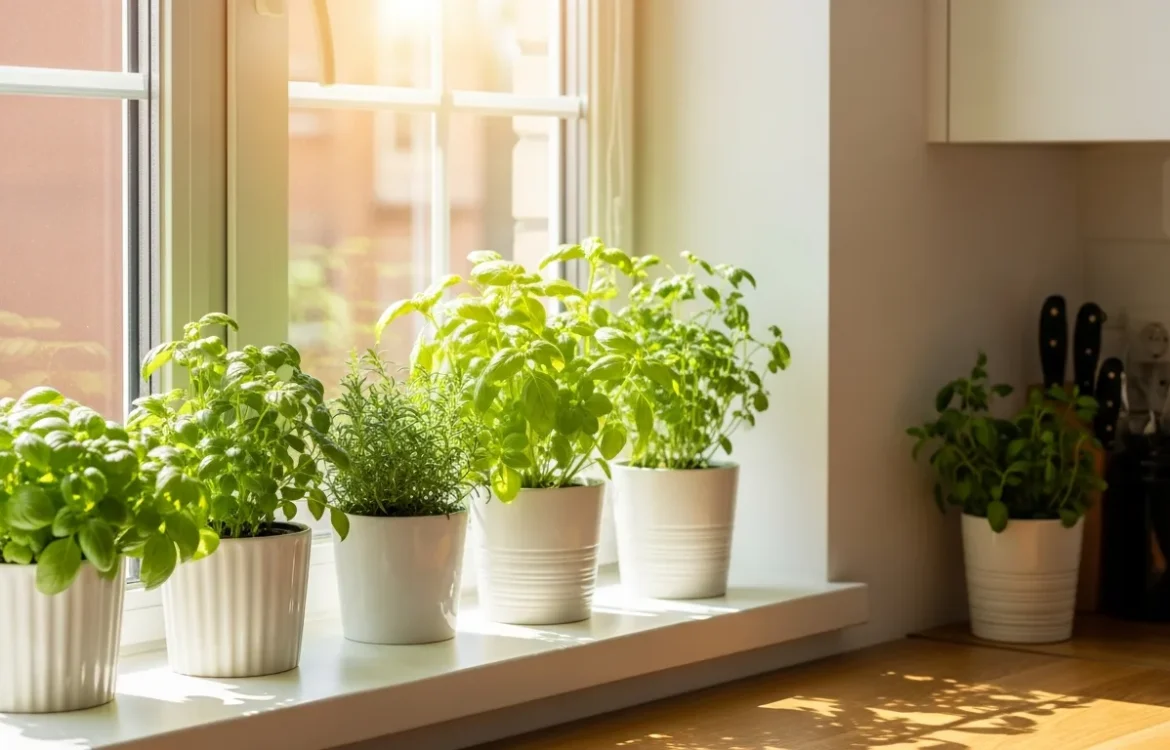
How Can You Start a Successful Apartment Herb Garden?
Why Every Renter Needs an Apartment Herb Garden
In 2026, the shift toward sustainable urban living has made the apartment herb garden more than just a hobby; it is a lifestyle choice for the modern man. Growing your own herbs allows a renter to enjoy fresh, organic flavors without the premium price tag of a grocery store. Beyond the culinary benefits, a well-maintained indoor garden improves air quality and adds a sophisticated, natural touch to any living space.
When a man takes charge of his environment, he finds that even a small studio can accommodate a flourishing collection of basil, mint, or rosemary. The key is understanding the unique microclimate of an apartment and choosing the right tools to help his plants thrive.
Selecting the Best Herbs for Indoor Growing
Not all herbs are created equal when it comes to indoor survival. A successful gardener starts by selecting varieties that can handle the fluctuating temperatures and lower light levels often found in rental units. Here are the top contenders for your windowsill:
- Basil: Requires plenty of sunlight but rewards the grower with lush, fragrant leaves.
- Mint: Extremely hardy and thrives in partial shade, though it should be kept in its own pot to prevent it from overtaking other plants.
- Chives: A low-maintenance option that grows quickly and requires minimal intervention.
- Rosemary: A woody herb that prefers drier soil and serves as a beautiful decorative piece.
When a renter compiles his apartment essentials list, he often finds that adding a few starter pots of these herbs provides immediate value to his kitchen and his health.
Mastering Light and Water in Small Spaces
The most common challenge for an apartment herb garden is light. Most culinary herbs require at least six hours of sunlight daily. If his apartment lacks south-facing windows, he should consider investing in compact LED grow lights. These modern solutions are energy-efficient and can be easily tucked under cabinets or mounted on shelving units.
Watering is the second pillar of success. Overwatering is the most frequent mistake a new gardener makes. He should always check the soil moisture with his finger; if the top inch is dry, it is time to water. Ensuring that pots have proper drainage holes is vital to prevent root rot, which can quickly kill a healthy plant.
Creative Styling for Your Green Space
An herb garden does not have to look like a science experiment. Integrating greenery into your apartment interior design ideas allows a man to elevate the aesthetic of his home. Vertical planters, hanging glass terrariums, or sleek ceramic pots on a tiered stand can turn a simple herb collection into a focal point of the room.
By choosing containers that match his existing decor, he creates a cohesive look that feels intentional and masculine. This approach not only saves counter space but also ensures that his gardening efforts contribute to the overall atmosphere of his home.
Pruning and Harvesting for Longevity
To keep an apartment herb garden productive, regular harvesting is necessary. A man should never be afraid to snip a few sprigs for his dinner. In fact, regular pruning encourages the plant to grow bushier rather than leggy. He should always cut just above a leaf node to stimulate new growth and avoid taking more than a third of the plant at any one time.
Frequently Asked Questions
Which herbs are easiest for beginners in an apartment?
Mint and chives are generally considered the easiest herbs for beginners. They are resilient, tolerate varying light levels, and grow quickly, giving the gardener immediate results and confidence.
Do I need a balcony to grow herbs?
No, a balcony is not required. As long as he has a sunny windowsill or a dedicated grow light, he can successfully maintain an herb garden entirely indoors throughout the year.
How do I deal with indoor pests?
Indoor plants can occasionally attract gnats or aphids. A man can manage this by using organic neem oil or a simple solution of water and mild dish soap to wipe down the leaves and keep his garden healthy.
What type of soil is best for indoor herbs?
He should use a high-quality potting mix designed for indoor plants rather than garden soil. Potting mixes are lighter, provide better drainage, and are sterilized to prevent the introduction of pests into the home.