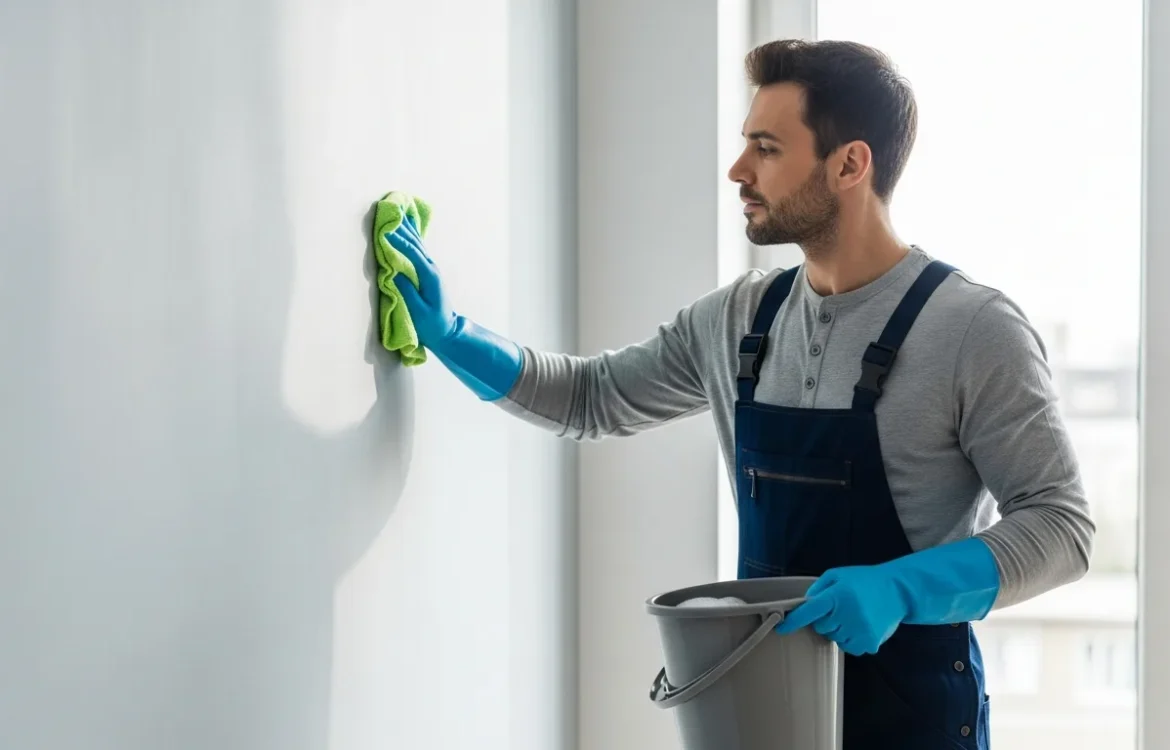
How Do You Clean Apartment Walls Without Ruining the Paint?
The Strategy for Spotless Apartment Walls
Scuffs, dust, and mysterious smudges are the inevitable roommates every man faces in a rental. Whether he is preparing for a move-out inspection or simply wants to freshen up his living space, cleaning the walls is a task that requires more precision than most realize. One wrong move with a harsh chemical and he could be looking at a permanent patch of discolored drywall.
The goal is simple: remove the grime without removing the finish. Before he starts scrubbing, he should check his lease agreement to see if he can paint apartment walls in the event that a deep stain requires a total touch-up rather than just a wash.
Step 1: Dusting Before Washing
Never apply water to a dusty wall. Doing so creates a muddy slurry that streaks and settles into the texture of the paint. He should start by using a microfiber cloth or a vacuum cleaner with a soft brush attachment. He needs to work from the ceiling down to the baseboards, paying extra attention to the corners where cobwebs tend to congregate.
- Use a dry mop: For high ceilings, a clean, dry microfiber mop head works wonders.
- Check the baseboards: Dust often settles on the narrow ledge of the trim; he should wipe these down first to avoid kicking dust back up later.
Step 2: Identifying the Paint Finish
The durability of the wall depends entirely on the finish. If he is dealing with flat or matte paint, he must be extremely gentle. These finishes are porous and easily damaged by heavy scrubbing. On the other hand, semi-gloss or glossy finishes—typically found in kitchens and bathrooms—are much more resilient and can handle a bit more elbow grease.
He should always perform a spot test in an inconspicuous area, like the wall space behind a door or a large piece of furniture. If the paint transfers to his cloth, he needs to reduce the pressure or use a milder solution.
Step 3: Mixing the Right Cleaning Solution
He does not need expensive, specialized chemicals to get the job done. In fact, heavy-duty cleaners often contain solvents that eat through latex paint. A simple mixture of warm water and a few drops of mild dish soap is usually sufficient for 90% of wall stains.
If he encounters stubborn grease marks, particularly in the kitchen, a mixture of white vinegar and water can help cut through the film without leaving a residue. He should avoid using colored sponges, as the dyes can sometimes bleed onto light-colored walls.
Step 4: The Proper Scrubbing Technique
To avoid streaks, he should use two buckets: one with the soapy solution and one with clean water for rinsing. He should dampen a soft sponge—not soak it—and wring it out thoroughly. Excess water is the enemy; it can seep behind baseboards or cause the drywall paper to swell.
He should wash the wall in gentle, circular motions. Once a section is cleaned, he must immediately follow up with the rinse sponge and then pat the area dry with a clean towel. Leaving walls to air-dry while soaking wet can lead to water spots.
Step 5: Dealing with Scuffs and Crayon Marks
For those dark scuffs from furniture or shoes, a melamine sponge (Magic Eraser) is a powerful tool. However, he must use it with caution. These sponges act like extremely fine sandpaper. If he rubs too hard on a matte wall, he will leave a shiny “burnish” mark that is visible when the light hits it. He should use the lightest touch possible and stop as soon as the mark disappears.
To prevent these marks from returning, he might consider using damage-free apartment wall decorations that keep frames and art from vibrating against the paint and creating new scuffs.
Frequently Asked Questions
Can I use bleach to clean my apartment walls?
No. Bleach is far too aggressive for most interior paints and can cause permanent discoloration or yellowing. It should only be used in very diluted amounts on tile or specifically treated surfaces, never on standard drywall paint.
How do I remove grease stains from kitchen walls?
A paste made of baking soda and water can be applied to the grease spot. Let it sit for a few minutes, then gently wipe it away with a damp cloth. The baking soda acts as a mild abrasive and absorbent.
Will cleaning the walls help me get my security deposit back?
Absolutely. Most landlords consider dirty or scuffed walls as “excessive wear and tear” or cleaning issues. Presenting a unit with clean, mark-free walls shows he has maintained the property well, making it much harder for a landlord to justify withholding funds.