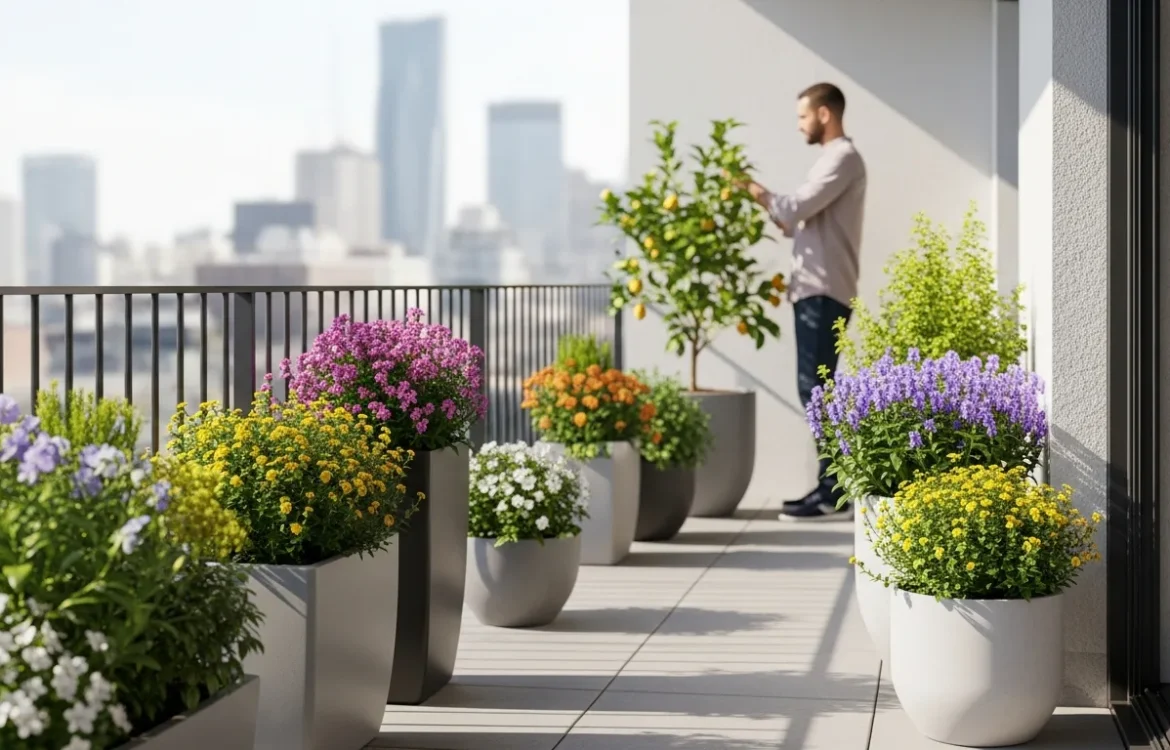
Which Lightweight Planters Are Best for Your Apartment Balcony?
The Weight Problem Every Apartment Gardener Faces
Dragging a 50-pound ceramic pot through a narrow living room just to reach the balcony is a mistake a man only makes once. Beyond the physical strain, most apartment balconies have strict weight load limits. If he crowds his outdoor space with heavy terracotta or stone, he risks structural issues or, at the very least, a difficult move when his lease ends. Choosing the right lightweight planters isn’t just about aesthetics; it is about mobility and safety.
Resin Planters: The Ultimate Stone Alternative
Resin is the gold standard for the modern renter. These pots are engineered to mimic the texture of concrete, slate, or lead, but they weigh a fraction of the original material. High-quality resin is UV-resistant, meaning it won’t crack or fade after a summer of direct sun exposure.
- Durability: They can survive a drop or a tip-over during high winds.
- Insulation: Thicker resin walls help protect plant roots from rapid temperature swings.
- Style: He can find sleek, minimalist designs that fit a professional, modern aesthetic.
Fiberglass Pots for a High-End Look
If a man wants his balcony to look like a luxury hotel terrace, fiberglass is the way to go. These planters are made from a blend of resin and glass fibers, resulting in an incredibly strong yet thin-walled container. They are significantly lighter than traditional clay but offer a much more polished finish than standard plastic.
Fiberglass is particularly effective for larger plants like dwarf citrus trees or tall grasses. Because the material is so rigid, it won’t bulge or warp under the pressure of wet soil and growing roots. When mastering the basics of apartment container gardening, starting with fiberglass ensures the setup looks permanent and intentional rather than temporary.
Fabric Grow Bags: The Renter’s Secret Weapon
For the guy who prioritizes function and ease of storage, fabric grow bags are unbeatable. Made from breathable geotextiles, these “planters” allow air to reach the root system, preventing the plants from becoming root-bound.
The biggest advantage? When the season is over, he can simply empty the soil, wash the bag, and fold it up into a kitchen drawer. They are virtually weightless on their own and come with sturdy handles, making them the easiest option to move around when he needs to maximize space on a tiny apartment balcony during a social gathering.
Plastic and Polypropylene: Budget-Friendly Versatility
Modern plastic planters have come a long way from the flimsy green tubs of the past. Look for BPA-free, food-grade polypropylene if he plans on growing herbs or vegetables. These are the lightest options available and are often designed specifically for balcony railings. Railing-mounted plastic pots are excellent because they utilize vertical space without adding any footprint to the balcony floor.
Key Features to Look For Before Buying
Regardless of the material, a man should check for three specific features before checking out:
- Drainage Holes: Never buy a planter without them. Standing water will rot roots and add unnecessary weight to the pot.
- Built-in Reservoirs: Some lightweight planters include a self-watering base, which is perfect for the busy professional who might forget to water his plants for a few days.
- Tapered Shapes: Pots that are wider at the top than the bottom are easier to stack and move if he ever decides to relocate.
Managing Wind and Stability
The only downside to lightweight planters is their tendency to catch the wind. If he lives on a high floor, a light plastic pot can easily become a projectile during a storm. To prevent this, he should place a few heavy river stones at the very bottom of the planter before adding soil. This keeps the center of gravity low while still keeping the overall weight much lower than a solid stone pot.
Frequently Asked Questions
Are lightweight planters as durable as ceramic?
In many cases, they are more durable. While ceramic and terracotta can crack during freeze-thaw cycles in winter, materials like resin and fiberglass are flexible enough to handle temperature changes without breaking.
How do I clean resin or fiberglass pots?
A simple mixture of mild soap and water is usually enough. Avoid using abrasive scrubbers, as these can scratch the finish of fiberglass pots.
Can I leave lightweight planters outside in the winter?
Yes, most high-quality resin and plastic planters are frost-resistant. However, he should ensure they have proper drainage so ice doesn’t expand inside and cause damage.
Do fabric grow bags leak water everywhere?
Since the material is porous, water will seep through the sides. He should use a saucer underneath if he is worried about staining his balcony floor or dripping onto the neighbor below.