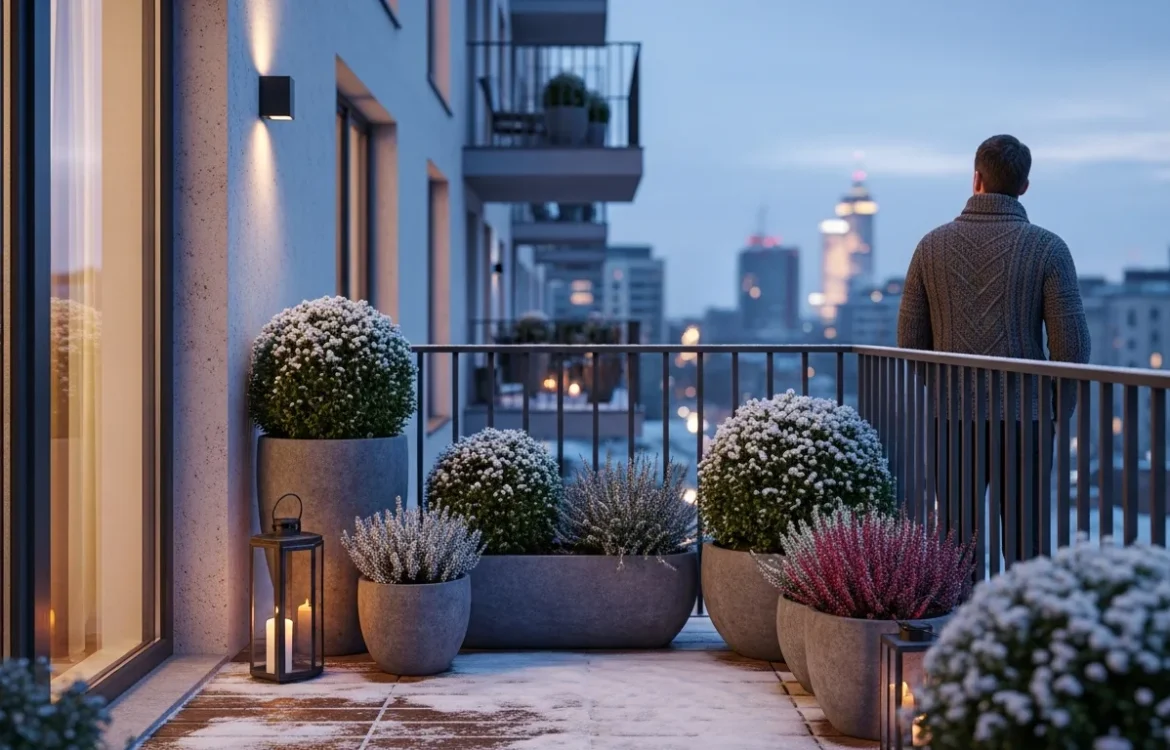
Which Plants Actually Survive Winter on an Apartment Balcony?
The Secret to a Vibrant Winter Balcony
Most apartment dwellers pack up their balcony furniture and abandon their outdoor space the moment the first frost hits. However, a man who takes pride in his living environment knows that winter doesn’t have to mean a barren, grey concrete slab. With the right selection of cold-hardy species, he can maintain a lush, inviting view from his window even when the temperature drops below freezing.
The challenge of winter balcony gardening isn’t just the cold; it is the combination of freezing roots, biting winds, and limited sunlight. Choosing plants that can withstand these specific stressors is the difference between a thriving winter oasis and a collection of dead sticks in pots. If he has more sensitive species from the summer, he should learn how to transition outdoor balcony plants indoors for winter before the first hard freeze arrives.
Top Flowering Plants for Freezing Temperatures
Color is a rare commodity in January, but several flowering plants actually prefer the chill. These varieties provide an immediate visual boost to any apartment exterior.
- Winter Pansies and Violas: These are the undisputed kings of the cold. They can often survive a light dusting of snow and will continue to bloom as long as the ground (or potting soil) isn’t frozen solid.
- Hellebores (Christmas Rose): These perennials are incredibly tough. He will find they bloom in the depths of winter, offering elegant, nodding flowers in shades of white, pink, and deep purple.
- Winter Heather (Erica carnea): This low-growing shrub provides a carpet of tiny bell-shaped flowers. It is exceptionally hardy and adds a wild, moorland aesthetic to a modern balcony.
Evergreens: The Backbone of the Winter Garden
For year-round structure, evergreens are essential. They provide the “bones” of the garden, ensuring the balcony never looks empty. Because they retain their foliage, they also act as a natural privacy screen during the months when deciduous trees are bare.
Boxwood (Buxus) is a classic choice for a reason. It is slow-growing, handles container life well, and can be pruned into sharp, formal shapes. For a more vertical element, he might consider Dwarf Conifers like the Alberta Spruce. These miniature trees offer a festive look and are rugged enough to handle high-altitude balcony winds.
Winter isn’t just about the cold; the wind can be brutal on a high-rise, so he should protect balcony plants from strong wind by using heavy ceramic pots or securing planters to the railing to prevent them from toppling over.
Textural Interest with Ornamental Kale and Cabbage
If he wants something unique, ornamental kale and cabbage are unbeatable. Unlike their edible cousins, these are bred for their striking colors—vibrant purples, creamy whites, and deep pinks. The best part? Their colors actually become more intense as the temperature drops. They provide a structural, ruffled look that contrasts beautifully with the fine needles of conifers or the delicate petals of violas.
Maintenance Tips for the Cold Months
Winter gardening requires a different mindset than summer care. He must be diligent about watering. While plants grow slower in winter, the cold wind is incredibly dehydrating. He should check the soil on sunny days; if it’s dry an inch down, it needs water. However, he must avoid watering when a hard freeze is expected that night, as expanding ice can damage the root system.
Using insulated pots or wrapping containers in burlap can also help. This prevents the freeze-thaw cycle from cracking expensive ceramic planters and keeps the root ball at a more stable temperature. A well-prepared man ensures his balcony remains a point of pride, regardless of the season.
Frequently Asked Questions
Can I leave terracotta pots outside in winter?
It is risky. Standard terracotta is porous and absorbs water. When that water freezes, it expands, often causing the pot to crack or flake. He should opt for frost-proof ceramic, stone, or high-quality plastic for winter use.
How often should I water balcony plants in winter?
He should check them once a week. Evergreen plants continue to lose moisture through their leaves (transpiration) even in winter. If the soil feels dry to the touch, he should give them a light watering during the warmest part of the day.
Do winter plants need fertilizer?
Generally, no. Most plants go dormant or grow very slowly in the winter. He should stop fertilizing in late autumn and resume only when he sees new growth in the spring to avoid stimulating tender new shoots that the frost will immediately kill.