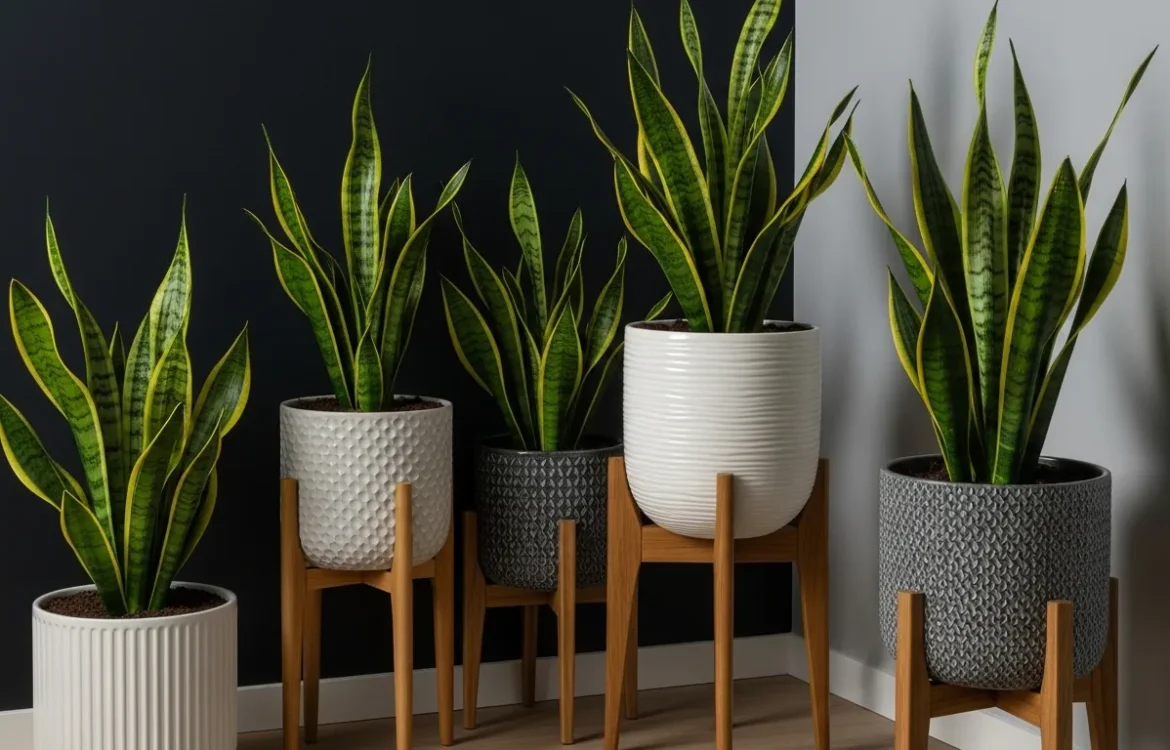
Which Snake Plants Thrive in Low Light Apartments?
The Unkillable Roommate: Why Snake Plants Rule Low-Light Spaces
Living in a ground-floor unit or a north-facing studio often means sacrificing natural sunlight. For a renter, this usually results in a graveyard of wilted ferns and crispy succulents. However, the snake plant (Sansevieria) remains the undisputed king of the shadows. He doesn’t demand a prime spot by the window, nor does he throw a fit if he is forgotten for a few weeks.
In 2026, as urban living spaces become more compact and light-deprived, choosing the right variety of snake plant is essential. While all Sansevieria are hardy, certain cultivars are genetically better equipped to handle the dim corners of a modern apartment. These plants are often cited as the best air-purifying plants for ground-floor apartments because they continue to exchange gases and produce oxygen even in near-darkness.
Top Snake Plant Varieties for Dim Apartment Corners
Not all snake plants are created equal when it comes to light requirements. Generally, varieties with darker green leaves contain more chlorophyll, allowing them to photosynthesize more efficiently in low-light environments.
1. Sansevieria Zeylanica (The Reliable Classic)
The Zeylanica is the blueprint for snake plants. It features long, sword-like leaves with dark green horizontal stripes. Because of its high chlorophyll content, it is exceptionally efficient at processing what little light reaches a hallway or a windowless bathroom. He grows steadily without needing constant attention, making him perfect for a busy professional.
2. Sansevieria Black Coral (The Shadow Dweller)
If an apartment is truly dark, the Black Coral is the premier choice. Its leaves are a deep, moody green that appears almost black in low light. This dark pigmentation is an evolutionary advantage for surviving in the understory of forests. It adds a sophisticated, masculine touch to any room without requiring a grow light.
3. Sansevieria Moonshine (The Silver Statement)
While most silver-leafed plants crave sun, the Moonshine is surprisingly resilient. Its broad, silvery-pale green leaves provide a striking contrast against dark furniture. In very low light, the leaves may darken slightly over time, but the plant will remain healthy and structurally sound. It is an excellent choice for adding a pop of brightness to a dim corner.
4. Sansevieria Cylindrica (The Modern Minimalist)
Also known as the African Spear, this variety features round, upright spears rather than flat leaves. It is incredibly slow-growing, which is an advantage in low light because it won’t become “leggy” or stretched out as it searches for the sun. He can sit on a bookshelf for years and maintain his architectural shape perfectly.
Essential Care Tips for Low-Light Sansevieria
The biggest mistake a renter makes with low-light plants is overwatering. In a dim apartment, water evaporates much slower than in a sun-drenched loft. Here is how to keep a snake plant thriving:
- The Finger Test: Never water on a schedule. A renter should stick his finger two inches into the soil; if it feels even slightly damp, he must wait. In low light, watering once every 4-6 weeks is often sufficient.
- Drainage is Non-Negotiable: Ensure the pot has a drainage hole. Snake plants are prone to root rot, especially when their metabolism slows down in darker environments.
- Dust the Leaves: In low light, every photon counts. Dust buildup on the leaves acts like a shade, blocking the plant’s ability to eat. Wiping the leaves with a damp cloth once a month keeps the plant healthy.
Styling Your Snake Plant in a Small Apartment
Snake plants are vertical growers, making them ideal for tight quarters where floor space is at a premium. A tall Zeylanica can fill an empty corner without spreading horizontally into walking paths. If a renter wants to create a more immersive indoor jungle, he might consider a plant wall apartment guide to maximize vertical space and group different Sansevieria varieties together for a textured look.
For those living in studios, placing a large snake plant next to a room divider or a desk can create a natural sense of separation. Their rigid structure ensures they won’t droop over his workspace or interfere with his daily routine.
Frequently Asked Questions
Can a snake plant live in a room with no windows?
While snake plants are incredibly hardy, no plant can live in total darkness forever. He can survive in a windowless room if the door is left open to let in light from other rooms, or if the overhead lights are on for several hours a day. For long-term health, rotate him to a brighter spot for one week every month.
Why is my snake plant falling over?
This is usually a sign of overwatering or root rot. In low light, the plant needs very little water. If the base of the leaves feels mushy, he has likely been given too much water, causing the internal structure to collapse.
Do snake plants grow faster in low light?
No, their growth will slow down significantly. In a low-light apartment, a snake plant is essentially in a state of maintenance rather than active growth. This is actually a benefit for renters, as the plant won’t outgrow its pot or its designated space quickly.
Is the snake plant toxic to pets?
Yes, Sansevieria contains saponins which are toxic if ingested by cats or dogs. A renter should place his plants on high shelves or sturdy plant stands if he shares his home with curious animals.