What Does Garden Level Mean in Real Estate?
Defining the Garden Level Apartment
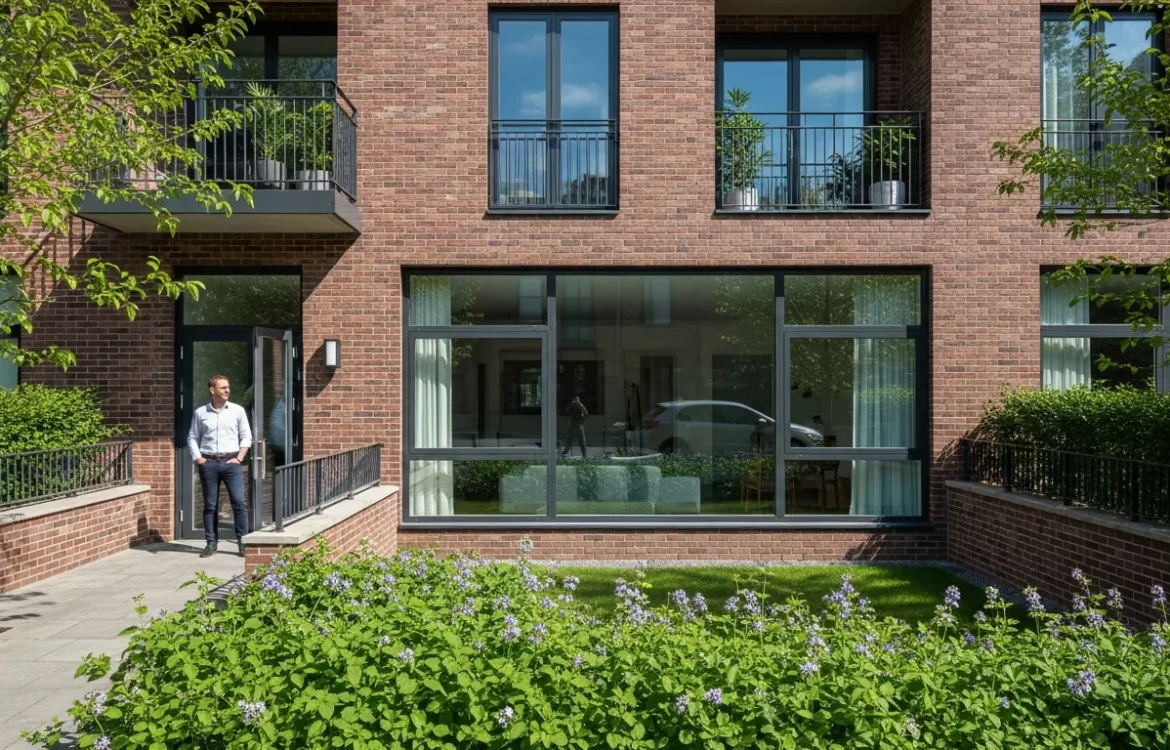
You are scrolling through rental listings and find a unit priced significantly lower than the others in the same building. The description labels it as garden level. In the real estate world, this term refers to an apartment situated between the basement and the first floor. Typically, about half of the unit sits below the street level, while the upper half remains above ground.
Unlike a true basement, which is entirely subterranean, a garden level unit usually features windows that are at or slightly above the soil line. This positioning allows a tenant to see the building’s landscaping or the street from a lower vantage point. For a guy looking to save on monthly rent without living in a dark bunker, this middle-ground option is often a strategic choice.
Garden Level vs. Basement: The Crucial Differences
Many renters use these terms interchangeably, but they represent different living experiences. A basement apartment is often fully underground, sometimes lacking proper ventilation or full-sized windows. In contrast, a garden level unit is designed to feel more like a standard living space. When a man is touring properties, he should understand the distinction between garden units and basement flats to ensure he isn’t overpaying for a cellar.
- Window Height: Garden levels have windows that sit at chest or eye level from the inside, whereas basement windows are often small and near the ceiling.
- Natural Light: Because the windows are higher, garden levels receive significantly more sunlight than basements.
- Entrance: Many garden level units have their own private entrance, often through a small gated patio or a side door.
The Benefits of Living at Garden Level
The most obvious perk is the affordability. Landlords typically price these units lower than those on the second or third floors because they lack a view and have higher exposure to street noise. For a bachelor on a budget, this can mean getting more square footage or a better neighborhood for his money.
Accessibility is another major factor. A renter doesn’t have to wait for an elevator or haul heavy groceries up three flights of stairs. He can walk right into his home. Additionally, these units stay naturally cooler during the summer months. Since they are partially underground, the surrounding earth acts as insulation, which can help a man keep his utility bills manageable when the heat hits.
Potential Drawbacks to Consider
Before signing a lease, a tenant must weigh the downsides. Privacy is a common concern. Since the windows are at street level, pedestrians can often see inside if the blinds aren’t closed. Security is also a factor; ground-level windows are easier to access from the outside, so a renter should ensure the landlord has installed sturdy locks or security bars.
One of the biggest concerns for a guy moving into this type of space is brightness. While these units aren’t pitch black, a renter might wonder if a garden level home lacks natural light compared to a penthouse. Depending on the building’s orientation, he might need to invest in high-quality artificial lighting to keep the space from feeling gloomy during the winter.
Humidity and pests are the final hurdles. Being closer to the ground means a higher likelihood of dampness and occasional visits from insects. A smart tenant will keep a dehumidifier running and check the perimeter for any cracks where pests might enter.
Is a Garden Level Unit Right for You?
Choosing a garden level apartment comes down to a man’s priorities. If he values a private entrance, lower rent, and easy access over a panoramic view and maximum sunlight, it’s a solid bet. He should inspect the unit during the day to see exactly how much light enters and check for any signs of water damage or mold, which can be more prevalent in lower-level homes.
Frequently Asked Questions
Is garden level the same as a basement?
No. A garden level apartment is partially above ground with larger windows, while a basement is typically entirely below ground level.
Are garden level apartments safe?
They can be, but they require more attention to window security and privacy than upper-floor units. A tenant should check for secure locks and well-lit entryways.
Do garden level apartments flood easily?
They are at a higher risk for flooding during heavy rain compared to upper floors. It is important for a renter to ask about the building’s drainage system and consider renters insurance that covers water damage.
Why are they called garden level?
The name comes from the fact that these units often look out onto the building’s garden or landscaped areas rather than the horizon.