Why Are They Called Garden Apartments? The Surprising History and Design
The Origin of the Garden Apartment Name
The term “garden apartment” isn’t just a marketing gimmick used by landlords to make a ground-floor unit sound more appealing. Its roots go back to the early 20th century and the Garden City movement. This urban planning philosophy, pioneered by Ebenezer Howard, sought to combine the best of city living with the open green spaces of the countryside. When a developer builds these units today, he is following a blueprint that prioritizes landscaping and low-density living over towering concrete structures.
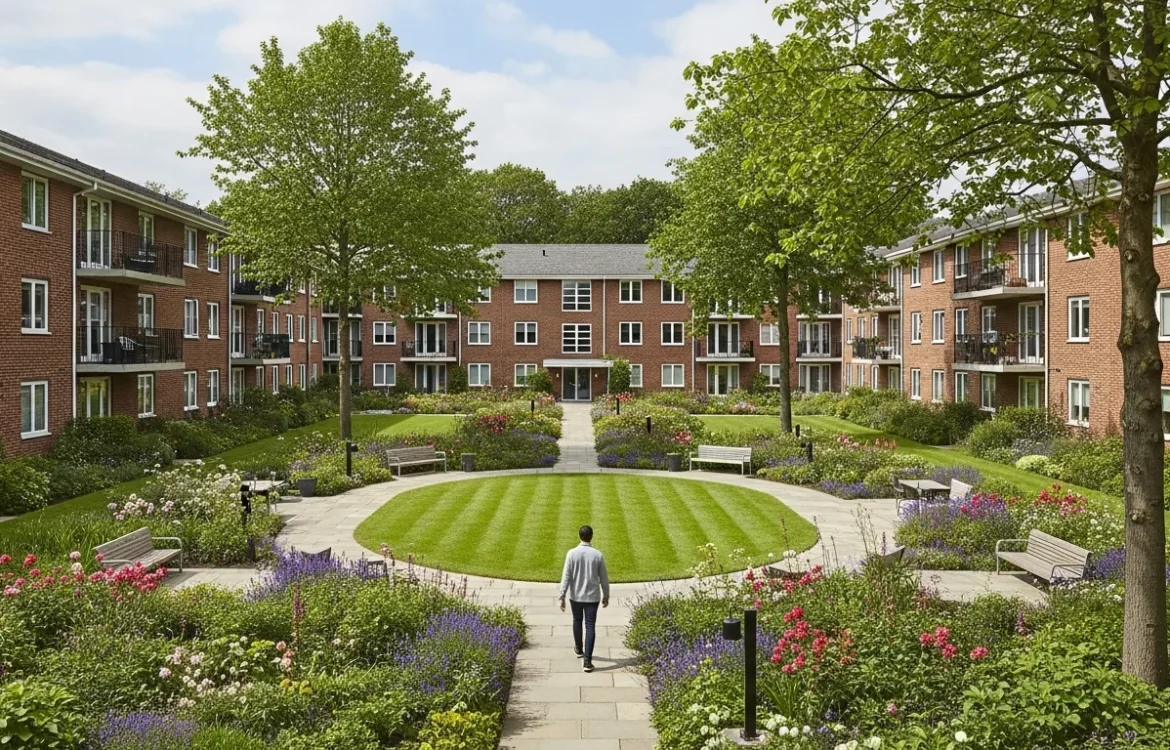
Architecturally, these buildings were designed to sit within a park-like setting. Instead of a single massive block, the complex is often broken into several smaller buildings connected by walkways, lawns, and shared courtyards. This layout ensures that every resident has a view of greenery, which is exactly where the name originates. When a renter looks out his window, he should see a garden, not a brick wall or a busy street.
The Garden City Movement Influence
In the 1920s and 30s, urban planners wanted to move away from the cramped, dark tenements of the industrial era. They envisioned communities where a man could work in the city but return home to a place that felt like a retreat. This led to the rise of the garden-style complex. These developments were typically built on the outskirts of major cities where land was cheaper, allowing for the sprawling footprints required for extensive landscaping.
Because these buildings are usually only two or three stories high, they don’t require elevators. This design choice keeps the scale human and approachable. When a tenant walks through the grounds, he feels like he is in a residential neighborhood rather than a commercial hub. Understanding what is a garden style apartment involves recognizing this specific balance between nature and high-density housing.
Key Characteristics of Garden Apartments
While the name implies a literal garden, the term now refers more to the architectural style and layout. Here are the defining features that set them apart:
- Low-Rise Construction: Most garden apartments are capped at three stories.
- Outdoor Access: Units often have private or semi-private entrances rather than a shared internal hallway.
- Green Space: The complex is built around courtyards, wooded areas, or manicured lawns.
- Surface Parking: Unlike high-rises with underground garages, these complexes usually feature open-air parking lots surrounding the buildings.
The Confusion Between Garden and Garden-Level Units
One of the most common mistakes a renter makes is confusing a garden apartment with a “garden-level” unit. While they sound identical, they represent very different living experiences. A garden-level apartment is typically located halfway between the street level and the basement. It might have windows that sit at ground height, but the floor is partially submerged.
In contrast, a true garden apartment refers to the entire complex’s style, regardless of which floor the unit is on. A man living on the third floor of a garden-style building is still living in a garden apartment. It is essential to recognize the difference between garden apartment and basement apartment listings to ensure he gets the natural light and ventilation he expects.
Why This Style Remains Popular Today
Garden apartments remain a staple of suburban and urban-fringe housing for several reasons. For the developer, they are cheaper and faster to build than steel-framed high-rises. For the renter, they offer a sense of privacy and community that is hard to find in a 20-story tower. He doesn’t have to wait for an elevator or navigate long, windowless corridors to reach his front door.
Furthermore, these complexes are often more pet-friendly. Because the buildings are spread out and surrounded by grass, a dog owner finds it much easier to take his pet outside for a walk. The abundance of trees and shrubs also provides natural sound dampening, making the environment quieter than a standard city block.
Frequently Asked Questions
Are garden apartments always on the first floor?
No. The term refers to the style of the building complex. A garden apartment can be on the first, second, or third floor of a low-rise building that is surrounded by green space.
Do garden apartments have private gardens?
Not necessarily. While some ground-floor units might have a small private patio or fenced-in area, the “garden” usually refers to the shared professional landscaping and courtyards maintained by the property management.
Are garden apartments safer than high-rises?
Safety depends on the specific location and security measures. However, some men prefer garden apartments because they offer multiple exit points and don’t rely on elevators during emergencies, though ground-floor units may require extra window security.
Why are they cheaper than high-rise apartments?
They are often more affordable because they are built with wood frames rather than steel and concrete. Additionally, they lack expensive amenities like elevators and 24-hour doormen, which keeps the monthly rent lower for the tenant.