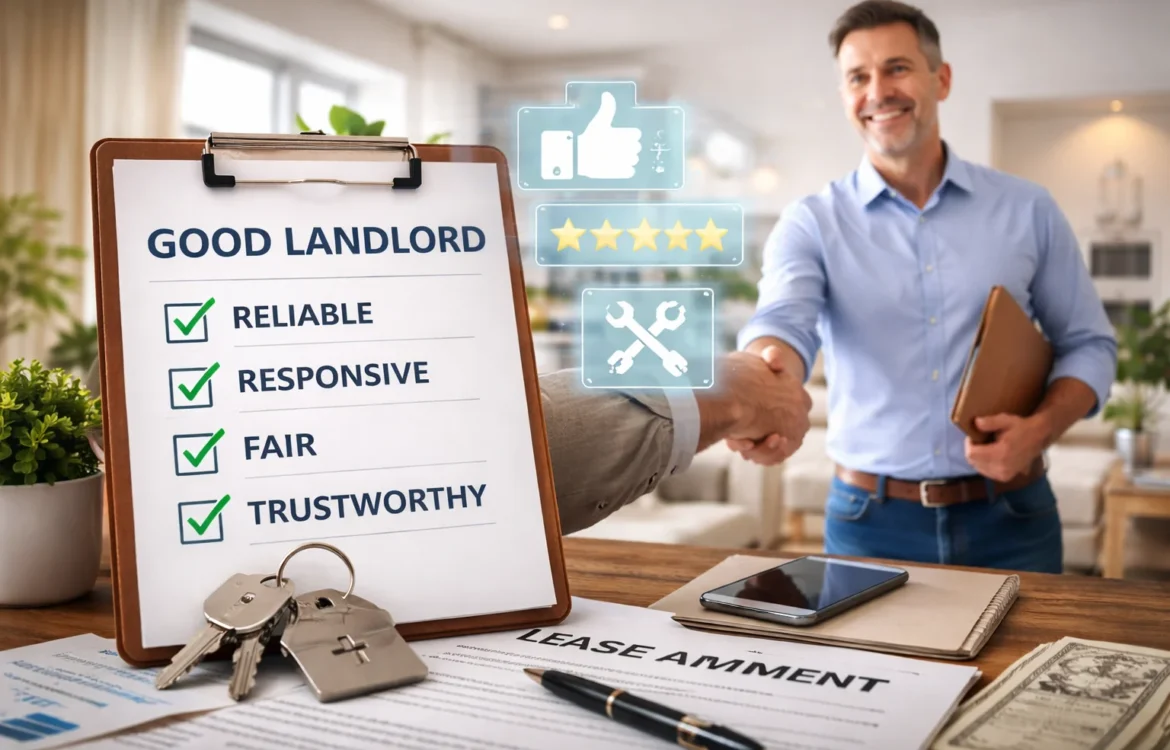
How to Find a Good Landlord: A Complete 2026 Guide
Finding the perfect apartment is only half the battle—securing a good landlord can make or break your rental experience. A great landlord ensures timely repairs, clear communication, and a respectful relationship, while a bad one can lead to stress, disputes, and even eviction. In this guide, we’ll walk you through proven strategies to identify and connect with reliable landlords, helping you avoid common pitfalls and enjoy a smooth tenancy. Whether you’re a first-time renter or a seasoned tenant, these insights will empower you to make informed decisions and build a positive rental partnership.
⚡ Quick Answer
To find a good landlord, research online reviews, ask for references from current tenants, inspect the property thoroughly for maintenance issues, and interview the landlord directly about their management style and responsiveness. Look for landlords who are professional, communicative, and have a track record of fair treatment, as this can prevent future conflicts and ensure a positive rental experience.
Why a Good Landlord Matters
A good landlord is more than just a property owner—they’re a partner in your housing journey. They handle repairs promptly, respect your privacy, and communicate clearly, which reduces stress and fosters a stable living environment. On the flip side, a problematic landlord can lead to disputes over security deposits, neglected maintenance, or even unfair evictions. By prioritizing landlord quality, you protect yourself from headaches and ensure your rental home feels safe and secure. For example, understanding security deposit laws can help you gauge a landlord’s fairness from the start.
Research Strategies to Find a Good Landlord
Start your search with thorough research to uncover a landlord’s reputation and reliability. Here are key steps to follow:
- Check Online Reviews: Use platforms like Google, Yelp, or specialized rental sites to read tenant feedback. Look for patterns in complaints or praise.
- Ask for References: Request contact information for current or past tenants to get firsthand insights into the landlord’s behavior.
- Verify Property Records: Search local government databases for any code violations or legal issues associated with the property.
- Use Social Media: Join local rental groups on Facebook or Reddit to ask for recommendations or warnings about specific landlords.
This proactive approach helps you avoid landlords with a history of problems, similar to how reviewing lease agreement templates can clarify expectations before signing.
Red Flags to Watch Out For
Be cautious of warning signs that indicate a bad landlord. Spotting these early can save you from future troubles:
- Poor Communication: If the landlord is slow to respond or avoids answering questions, it may signal ongoing issues.
- Unprofessional Behavior: Lack of a formal lease, refusal to provide documentation, or pressure to sign quickly are major red flags.
- Neglected Maintenance: Visible repairs needed during a property tour suggest the landlord might ignore future requests.
- Negative Reviews: Multiple complaints about security deposit disputes or eviction threats should raise concerns.
For instance, landlords who frequently file for eviction might indicate a hostile rental environment.
Questions to Ask a Potential Landlord
Interviewing the landlord is crucial to assess their suitability. Prepare these questions to gauge their professionalism:
- How do you handle repair requests, and what’s your typical response time?
- Can you provide references from current tenants?
- What are your policies on rent increases, lease renewals, and security deposits?
- How do you communicate with tenants (e.g., email, phone, app)?
- Have there been any recent issues with the property or neighbors?
Asking these questions helps ensure transparency, much like using an Indiana lease agreement template to clarify terms in writing.
Comparing Landlord Types
Different landlords offer varying levels of service and interaction. Use this table to evaluate your options:
| Landlord Type | Pros | Cons | Best For |
|---|---|---|---|
| Professional Property Manager | Structured processes, quick repairs, legal compliance | Less personal, may have strict policies | Tenants seeking reliability |
| Individual Owner | Personalized attention, flexible negotiations | Inconsistent response times, potential bias | Those valuing direct communication |
| Corporate Landlord | Standardized services, multiple properties | Bureaucratic delays, impersonal interactions | Renters in large complexes |
Understanding these differences can guide your choice, especially if you’re on a budget and looking for affordable rentals where landlord type impacts cost and service.
Steps to Secure a Good Landlord
Once you’ve identified a promising landlord, take these steps to solidify the relationship:
- Document Everything: Keep records of all communications, agreements, and inspections to prevent misunderstandings.
- Review the Lease Carefully: Ensure the lease includes clear terms on rent, repairs, and policies—refer to free resources if needed.
- Conduct a Move-In Inspection: Note any existing damages with photos and share them with the landlord to avoid deposit disputes later.
- Build a Positive Rapport: Pay rent on time, report issues politely, and maintain the property to foster mutual respect.
This approach minimizes risks, similar to how preparing essential rental documents streamlines the application process.
FAQs: How to Find a Good Landlord
What are the signs of a bad landlord?
Signs include unresponsiveness to repairs, vague lease terms, negative online reviews, and a history of tenant disputes. Always research and ask for references to avoid these issues.
How can I check a landlord’s reputation online?
Use rental websites, Google reviews, and social media groups to read tenant feedback. Look for consistent complaints about maintenance, communication, or security deposits.
Should I rent from a private landlord or a management company?
It depends on your preferences: private landlords offer more flexibility, while management companies provide structured services. Evaluate based on your need for personal interaction vs. reliability.
What questions should I ask a landlord before renting?
Ask about repair response times, communication methods, lease terms, and references. This helps assess their professionalism and compatibility with your needs.
Can a landlord’s behavior affect my rental experience?
Yes, a landlord’s behavior directly impacts your living conditions. A good landlord ensures timely repairs and fair treatment, while a bad one can lead to stress and legal issues.
How do I handle disputes with a landlord?
Document the issue, communicate in writing, and refer to your lease terms. If unresolved, seek mediation or legal advice to protect your rights as a tenant.
Is it worth paying more for a good landlord?
Often, yes. A higher rent with a reliable landlord can save money and stress in the long run by avoiding repair costs, disputes, or unexpected moves.
What should I do if I suspect a landlord is dishonest?
Verify their claims through property records and tenant references. If red flags persist, consider walking away to avoid potential scams or conflicts.
Leave a Reply