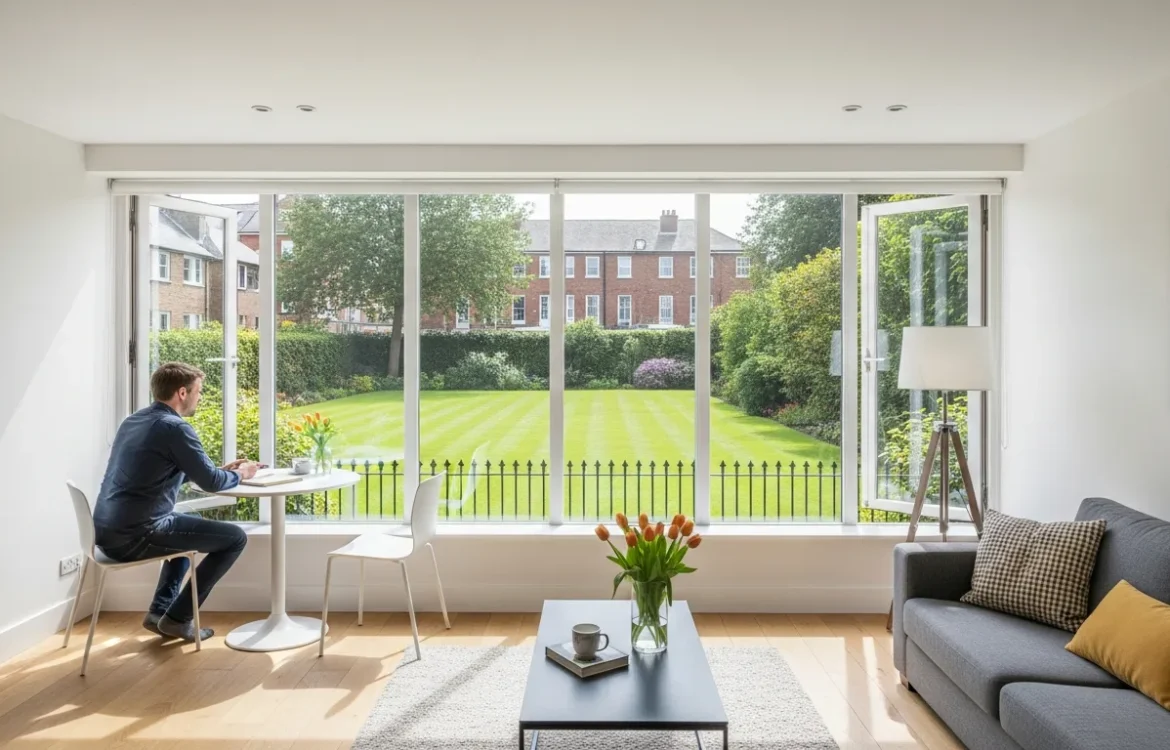
What Is a Garden Level Apartment? Pros, Cons, and Key Differences
Understanding the Garden Level Apartment
When a renter begins his search for a new home, he often encounters terminology that can be slightly confusing. One such term is the garden level apartment. While the name evokes images of lush greenery and private courtyards, the reality is more architectural. A garden level unit is typically situated between the basement and the first floor. Unlike a true basement, which is entirely underground, a garden level unit is partially above ground, allowing for larger windows and more natural light.
For a tenant looking to maximize his budget, these units offer a unique middle ground. He can enjoy a more accessible entry point and a cooler living environment without the complete isolation often felt in subterranean living spaces. Understanding the nuances of this floor plan is essential before he signs a lease.
How Garden Level Differs from Basement Units
The primary distinction lies in the elevation. In a basement apartment, the windows are usually at or below ground level, often requiring a “window well” to let in any light. In contrast, a garden level apartment is usually positioned so that at least half of the unit—and its windows—sits above the exterior ground level.
This architectural choice means the tenant doesn’t feel like he is living in a bunker. He can look out his window and see the sidewalk or the base of nearby trees rather than a concrete wall. Furthermore, these units often have their own separate entrances, providing a level of privacy that a resident in a high-rise might envy.
The Benefits of Living at Garden Level
There are several practical reasons why a savvy renter might choose this specific layout. From financial savings to physical convenience, the garden level has a lot to offer.
- Cost Effectiveness: Generally, these units are priced lower than those on the third or fourth floors. A man can often find more square footage for his money when he moves closer to the ground.
- Temperature Regulation: Because the unit is partially shielded by the earth, it stays naturally cooler in the summer. This can lead to significant savings on his electricity bill during the hotter months.
- Ease of Access: He won’t have to worry about broken elevators or hauling heavy groceries up three flights of stairs. Most garden level units involve only a few steps down from the street.
- Outdoor Access: As the name suggests, many of these apartments open directly into a shared courtyard or a small private patio, making it easier for him to enjoy a breath of fresh air.
Potential Drawbacks to Consider
While the perks are notable, a tenant must also be aware of the challenges inherent in lower-level living. Security and moisture are the two most common concerns. Because the windows are closer to the street, he may need to invest in better blinds or security bars to ensure his privacy and safety.
Additionally, humidity can be higher in these units. He should check for signs of dampness or musty odors during his initial walkthrough. Noise can also be a factor; since he is located at the base of the building, he may hear the footsteps of neighbors above him or the sound of pedestrians passing by his window.
Is a Garden Level Apartment Right for You?
Choosing this type of home depends on a man’s priorities. If he values a quiet, secluded entrance and a lower monthly rent, the garden level is an excellent choice. However, if he craves panoramic city views and maximum sunlight, he might prefer a unit higher up in the building. When analyzing standard rental layouts, he should weigh the physical accessibility of the garden level against the potential for street-level noise.
Frequently Asked Questions
What exactly defines a garden level apartment?
A garden level apartment is a unit located between the basement and the first floor, where the windows are partially or fully above the ground level, often providing a view of a garden or lawn area.
Are garden level apartments safe?
They are generally as safe as any other apartment, though a tenant should ensure the windows have secure locks and consider installing privacy film or sturdy blinds since the unit is closer to street level.
Do garden level apartments get a lot of light?
They receive significantly more light than basement apartments because their windows are positioned higher. However, they still receive less natural light than upper-floor units, especially if surrounding buildings or trees block the sun.
Why are they called garden level?
The term originated because these units often face the building’s landscaped areas or gardens, providing the resident with direct or near-direct access to green space at the ground level.
Is a garden level apartment humid?
Lower-level units can be prone to higher humidity levels. A renter can easily manage this by using a dehumidifier or ensuring the apartment has proper ventilation and air circulation.