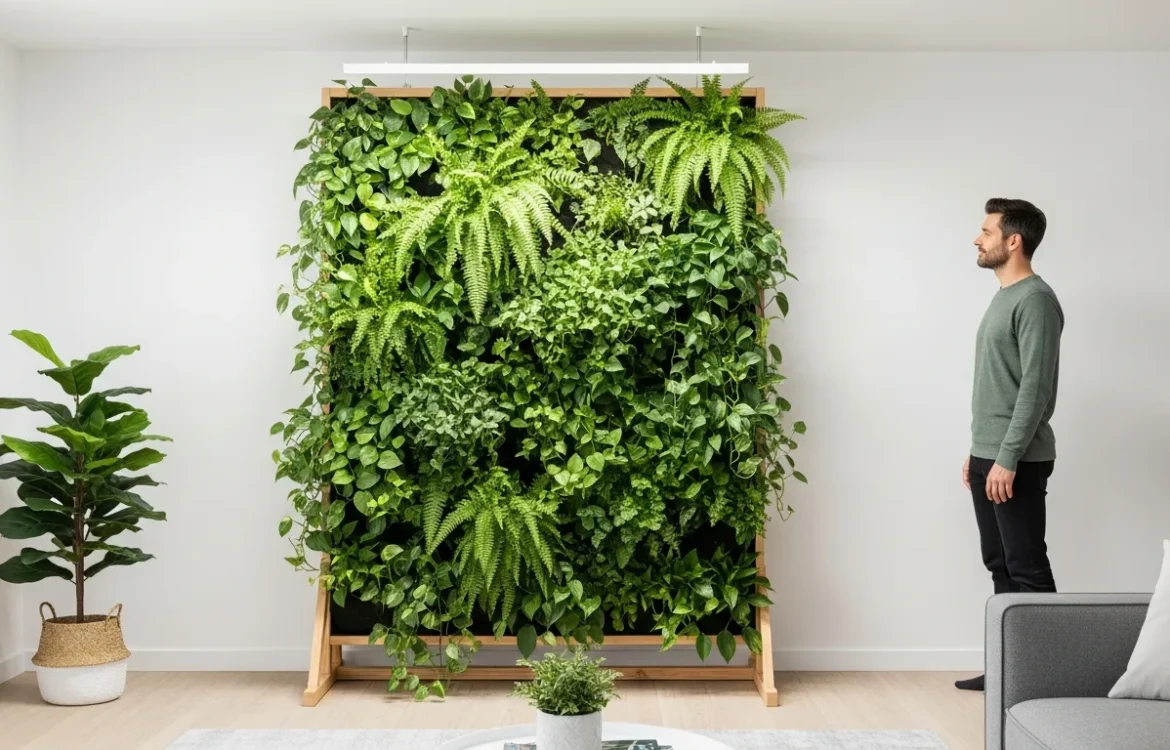
How Can You Build a Lush Plant Wall in Your Apartment Without Losing Your Deposit?
Transforming Your Living Space with a Vertical Garden
In 2026, the desire to bring the outdoors inside has never been stronger. For the modern urbanite, a plant wall apartment setup is more than just a trend; it is a lifestyle choice that improves air quality and mental well-being. A man who spends his days in a high-rise office often finds that coming home to a wall of greenery helps him decompress and reconnect with nature. However, the challenge for any renter is achieving this lush look without causing permanent damage to the property.
Vertical gardening allows a resident to maximize his square footage by utilizing vertical space. Instead of cluttering the floor with pots, he can mount a living tapestry that serves as a focal point in his living room or bedroom. This strategy is one of the most effective budget-friendly ways to style a home while maintaining a clean, organized environment.
Choosing the Right System for Your Apartment
Before buying a single fern, a renter must decide which vertical system suits his specific needs and the limitations of his lease. There are three primary ways to approach a plant wall:
- Modular Pocket Systems: These are usually made of felt or recycled plastic. A man can hang these on a few sturdy hooks, and they allow for easy rearranging of individual plants.
- Freestanding Plant Racks: If a tenant is concerned about weight limits on his walls, a freestanding ladder or shelving unit is the safest bet. It provides the vertical look without a single nail hole.
- Trellis and Climbing Plants: By using a simple wooden or metal trellis, he can encourage climbing vines like Pothos or Philodendron to grow upward, creating a natural green screen over time.
Rent-Friendly Installation Techniques
The biggest hurdle for a tenant is often the fear of losing his security deposit. To avoid this, he should focus on non-permanent mounting solutions. Heavy-duty adhesive hooks can support lighter felt pockets, while tension rods can be used to hang trailing plants across a window frame. If he must use screws, he should ensure he has the tools to patch and paint the holes before his lease ends.
Integrating greenery into a space is a core component of sophisticated enhancing the visual flow of a room. By selecting a system that matches his furniture, he ensures the plant wall looks like a planned architectural feature rather than an afterthought.
Selecting the Best Plants for Vertical Growth
Not every plant is suited for life on a wall. A man should choose species that are resilient and have a trailing or compact growth habit. He should also consider the lighting conditions of his specific apartment.
Low-Light Champions
If his apartment faces a courtyard or has small windows, he should stick to:
- Snake Plants: Nearly indestructible and great for vertical lines.
- Pothos: Known for its rapid growth and beautiful cascading vines.
- ZZ Plants: Thrives in low light and requires very little water.
Bright-Light Favorites
If he is lucky enough to have floor-to-ceiling windows, he can experiment with:
- Bird’s Nest Ferns: These provide a thick, tropical texture.
- Staghorn Ferns: These are often mounted directly on wooden boards for a high-end look.
- Herbs: A kitchen plant wall featuring basil, mint, and rosemary is both beautiful and functional for his cooking needs.
Essential Maintenance for a Thriving Green Wall
Maintenance is the key to keeping a plant wall from looking like a jungle. A man should establish a routine to check the moisture levels of his plants weekly. Because vertical pockets can dry out faster than traditional pots, consistent watering is vital. He might also consider a drip irrigation system or a simple long-necked watering can to reach the higher sections of his display.
Pruning is equally important. He should regularly trim back any yellowing leaves or overgrown vines to keep the wall looking tidy. This attention to detail ensures that his indoor garden remains a source of pride rather than a source of stress.
Frequently Asked Questions
What are the best plants for an indoor plant wall?
For most apartments, Pothos, Philodendrons, and Snake Plants are the best choices because they are hardy and adapt well to vertical containers. If the area receives plenty of sunlight, succulents or a variety of ferns can also thrive.
How do you water a plant wall without making a mess?
A renter should look for systems with built-in irrigation or moisture-wicking layers. If using felt pockets, he should place a waterproof barrier between the pockets and the wall to prevent mold or water damage to the drywall.
Will a plant wall damage my apartment walls?
It can if not installed correctly. To protect the property, a man should use a moisture barrier and ensure the mounting hardware is rated for the weight of wet soil and plants. Freestanding units are the safest way to avoid any risk of damage.
How much does it cost to build a plant wall?
The cost varies significantly. A basic DIY setup using felt pockets and common house plants can cost under $100, while a professional modular system with high-end foliage can run into the thousands. Most renters find a middle ground by starting small and adding to their wall over time.