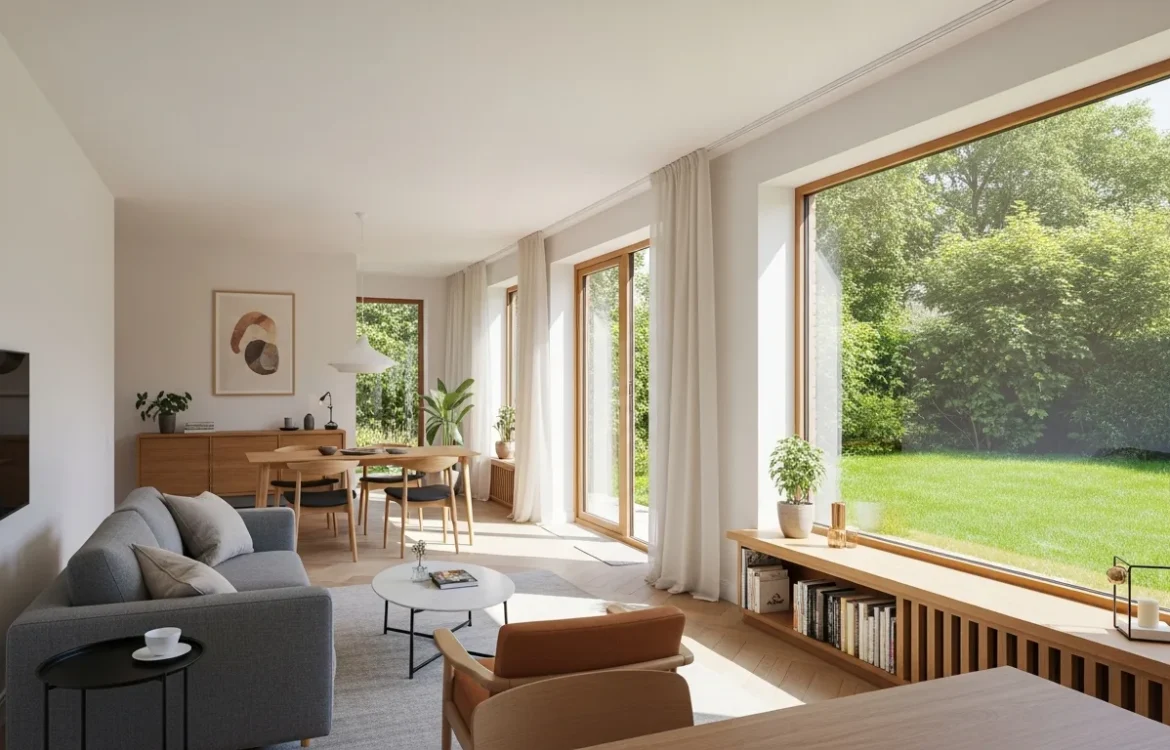
What Does a Garden Level Apartment Look Like?
Understanding the Garden Level Aesthetic
When a renter begins his search for a new home, he may encounter the term garden level. Unlike a standard first-floor unit or a deep basement dwelling, a garden level apartment occupies a middle ground. Visually, these units are partially below grade, typically situated so that the windows are level with the exterior landscaping or lawn. This positioning creates a unique perspective where he can look out his window and see the grass, flower beds, or the base of trees at eye level.
Architecturally, these apartments are built into the slope of the land or slightly recessed into the foundation. This means that while he is technically below the street level, he is not fully underground. The result is a living space that feels more connected to the outdoors than a traditional basement, often featuring larger windows that allow for a surprising amount of natural light during the day.
Key Visual Features of Garden Units
The most defining characteristic a man will notice is the window placement. In a garden level apartment, the windows are usually located at the top of the walls, but they are full-sized or nearly full-sized. When he stands in his living room, he might see the feet of passersby or the tires of parked cars, depending on the proximity to the sidewalk. However, many modern developments use strategic landscaping to provide him with a lush, green view instead of concrete.
Inside, the layout often mirrors upper-level units. When he explores various apartment floor plans, he will notice that garden units often provide a unique footprint that maximizes the available square footage. The ceilings may be slightly lower than penthouse units, but they are generally standard height, preventing the space from feeling cramped or cave-like.
Light and Privacy Considerations
One of the primary concerns a renter has is whether the space will be too dark. While a garden level apartment does not receive the same direct, overhead sunlight as a third-floor unit, it is significantly brighter than a basement. The light that enters is often filtered through greenery, giving the interior a soft, natural glow. For a man who values privacy, these units are excellent; because he is below the sightline of most pedestrians, it is difficult for people to peer directly into his living space without intentionally looking down.
To enhance the brightness, many tenants use light-colored paint and mirrors to bounce the available light around the rooms. He might also find that these apartments stay naturally cooler in the summer, as the surrounding earth acts as a natural insulator against the heat.
Garden Level vs. Basement: The Main Differences
It is common for a man to confuse these two, but the differences are visually and structurally distinct. A basement apartment is usually entirely below ground level, often requiring “window wells” to let in any light at all. In contrast, a garden level unit is only partially submerged. He will find that garden levels have better ventilation and fewer issues with dampness compared to true basements.
Before he signs a lease, he should bring a list of specific questions for the tour to ensure the unit has been properly waterproofed and that the drainage systems are modern. This is a crucial step for any man looking to enjoy the benefits of lower rent without the risks of older, below-grade construction.
Pros and Cons of the Garden Level Lifestyle
Living at this level offers several practical advantages. He will likely enjoy a shorter commute from his front door to his car, as there are fewer stairs to climb and no waiting for elevators. Additionally, these units are often priced lower than their counterparts on higher floors, allowing him to save money or afford a more desirable neighborhood.
- Pro: Easy access for moving heavy furniture or groceries.
- Pro: Natural insulation keeps utility costs lower in summer.
- Con: Potential for higher humidity levels requiring a dehumidifier.
- Con: Increased chance of dust or insects entering from ground-level windows.
Ultimately, a garden level apartment is a smart choice for a man who wants a cozy, private, and affordable living space that still offers a connection to the outdoor world.
Frequently Asked Questions
Is a garden level apartment the same as a basement?
No, a garden level apartment is typically only partially below ground, whereas a basement is usually entirely underground. Garden units have larger windows that are level with the ground, providing more light and better views.
Are garden level apartments safe?
Yes, they are generally safe, but a renter should ensure that his windows have secure locks and that the exterior lighting is sufficient. Many men prefer these units because they offer quick exit routes in case of an emergency.
Do garden level apartments get bugs?
Because the windows are at ground level, there is a slightly higher risk of insects. However, if he maintains a clean home and ensures that window screens are in good repair, this is usually a minor and manageable issue.
Is it dark in a garden level apartment?
While not as bright as upper-floor units, they are much lighter than basements. The amount of light depends on the size of the windows and the type of landscaping outside his unit.