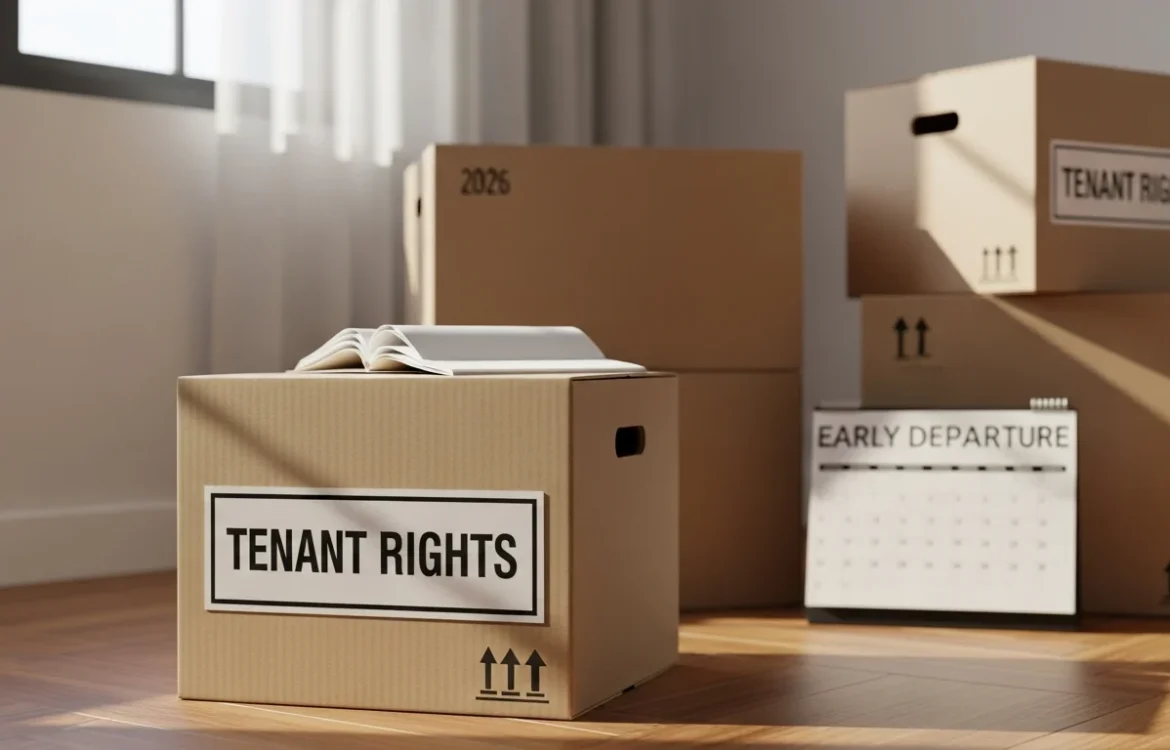
Tenant Rights Moving Out Early: Your Complete 2026 Guide
Moving out before your lease ends can feel overwhelming, but understanding your tenant rights moving out early is crucial to avoid unnecessary stress and financial penalties. Whether you’re relocating for a job, dealing with unsafe conditions, or facing personal circumstances, knowing the legal framework protects you from unfair treatment. This comprehensive guide covers everything from valid reasons for early termination to practical steps for a smooth transition, ensuring you navigate this process with confidence and clarity.
Tenant rights moving out early typically include options like breaking a lease with proper notice, using early termination clauses, or legally justified reasons such as uninhabitable conditions or military deployment. However, you may still face penalties like forfeiting your security deposit or paying rent until a new tenant is found, depending on state laws and your lease agreement. Always review your lease, document everything, and communicate with your landlord to minimize consequences.
Understanding Your Lease Agreement
Your lease agreement is the foundation of your tenant rights moving out early. Before taking any action, carefully review its terms, as they dictate your obligations and potential penalties. Most leases include clauses about early termination, which may require paying a fee, giving advance notice, or finding a replacement tenant. If your lease lacks an early termination clause, you’re generally bound to the full term, but state laws might offer exceptions. For example, some jurisdictions allow termination due to domestic violence or health hazards. Always keep a copy of your lease handy and consult it first when considering an early move-out.
- Check for an early termination clause specifying fees or notice requirements.
- Look for break-lease options, which might involve paying one to two months’ rent.
- Review renewal terms to see if you can negotiate an exit.
- Note any penalties for not fulfilling the lease term.
- Understand subletting or assignment rules if you need to transfer the lease.
Valid Reasons for Moving Out Early
Not all reasons for moving out early are treated equally under the law. Valid reasons often provide legal protection and may reduce or eliminate penalties. Common justifications include uninhabitable living conditions, such as mold, pest infestations, or lack of essential utilities, which landlords must address promptly. Other protected reasons include military deployment under the Servicemembers Civil Relief Act (SCRA), domestic violence situations, or health emergencies. If you’re relocating for a job transfer, check if your lease or state laws offer flexibility. Documenting these reasons with evidence, like photos or written notices, strengthens your case and supports your tenant rights moving out early.
- Uninhabitable conditions: Report issues in writing and allow time for repairs.
- Military orders: Provide official documentation to your landlord.
- Domestic violence: Many states allow early termination with proof.
- Health hazards: Such as lead paint or asbestos exposure.
- Landlord harassment or illegal entry: Violations of your privacy rights.
Legal Protections and State Laws
Tenant rights moving out early vary significantly by state, so it’s essential to know your local laws. For instance, some states require landlords to mitigate damages by actively seeking a new tenant, limiting your financial liability. Others have specific rules for breaking leases due to uninhabitable conditions or domestic violence. Familiarize yourself with key terms like “constructive eviction,” which occurs when a landlord’s actions make the property unlivable, allowing you to leave without penalty. Additionally, federal laws like the SCRA protect military personnel. Always research your state’s landlord-tenant statutes or consult a legal expert to ensure you’re following proper procedures and maximizing your protections.
| State | Early Termination Allowed For | Typical Penalties |
|---|---|---|
| California | Domestic violence, uninhabitable conditions | One month’s rent or until re-rented |
| Texas | Military deployment, landlord breach | Re-letting fees + damages |
| New York | Health hazards, illegal lockouts | Security deposit forfeiture |
| Florida | SCRA, constructive eviction | Two months’ rent or lease break fee |
Steps to Take When Moving Out Early
Taking systematic steps can protect your tenant rights moving out early and minimize conflicts. Start by reviewing your lease and documenting your reason for leaving. Next, notify your landlord in writing, providing clear details and any supporting evidence. If possible, negotiate terms, such as paying a reduced fee or helping find a replacement tenant. Once an agreement is reached, get it in writing to avoid disputes later. During the move-out process, conduct a final walk-through and take photos to document the property’s condition. This helps ensure you get your security deposit back, as outlined in our guide on how to get your apartment deposit back. Finally, return keys and provide a forwarding address for any refunds or communications.
- Review your lease agreement thoroughly.
- Document your reason with photos or written records.
- Notify your landlord in writing via certified mail.
- Negotiate terms and get any agreement in writing.
- Conduct a final walk-through and document the property’s condition.
Potential Penalties and How to Avoid Them
Moving out early often comes with penalties, but understanding them can help you mitigate costs. Common penalties include forfeiting your security deposit, paying rent until a new tenant is found, or covering re-letting fees. To avoid these, communicate openly with your landlord and explore options like subletting or lease assignment, if allowed. In some cases, you might qualify for exceptions under state laws, such as if the landlord fails to maintain the property. Remember, landlords have a duty to mitigate damages, meaning they must try to re-rent the unit promptly. If they don’t, you may challenge excessive charges. For more on handling disputes, see our article on how to sue landlord for security deposit.
- Forfeit security deposit: Often used to cover unpaid rent or damages.
- Pay rent until re-rented: Landlords must actively seek a new tenant.
- Re-letting fees: Covers advertising and administrative costs.
- Early termination fee: A fixed amount specified in the lease.
- Legal costs: If the landlord sues for breach of contract.
Negotiating with Your Landlord
Effective negotiation is key to protecting your tenant rights moving out early. Approach your landlord professionally, explaining your situation and proposing solutions, such as finding a replacement tenant or paying a partial fee. Highlight any legal justifications, like uninhabitable conditions, to strengthen your position. If your landlord agrees to terms, ensure everything is documented in a lease addendum to avoid future disputes. For templates and guidance, refer to our resource on what is a lease addendum. In cases where negotiation fails, consider mediation or legal advice. Remember, maintaining a good relationship can lead to more favorable outcomes, especially if you’ve been a reliable tenant.
FAQs About Tenant Rights Moving Out Early
Can I break my lease early without penalty?
It depends on your lease terms and state laws. Valid reasons like uninhabitable conditions, military deployment, or domestic violence may allow penalty-free termination. Always check your lease and consult local regulations.
What happens if I just move out without notice?
Moving out without notice can lead to serious consequences, including legal action, damage to your credit, and forfeiture of your security deposit. It’s crucial to provide proper notice and follow lease terms to avoid these risks.
How much notice do I need to give when moving out early?
Notice requirements vary by lease and state, but typically range from 30 to 60 days. Review your lease agreement and state laws to determine the exact timeframe, and always provide written notice.
Can my landlord sue me for breaking a lease early?
Yes, landlords can sue for unpaid rent or damages if you break a lease without a valid reason. However, they must mitigate damages by seeking a new tenant. Understanding your tenant rights moving out can help you prepare a defense.
What if my landlord refuses to return my security deposit?
If your landlord wrongfully withholds your security deposit, you may need to send a demand letter or take legal action. Document the property’s condition and review state-specific laws, as covered in our guide on getting your apartment deposit back.
Are there resources for tenants facing early move-out issues?
Yes, local tenant unions, legal aid organizations, and state housing agencies can provide assistance. For example, if you’re dealing with eviction concerns, our article on how to fight an eviction offers valuable strategies.
How does breaking a lease affect my rental history?
Breaking a lease can negatively impact your rental history, making it harder to rent in the future. To minimize this, try to negotiate with your landlord and ensure any agreement is documented to show responsibility.
Leave a Reply