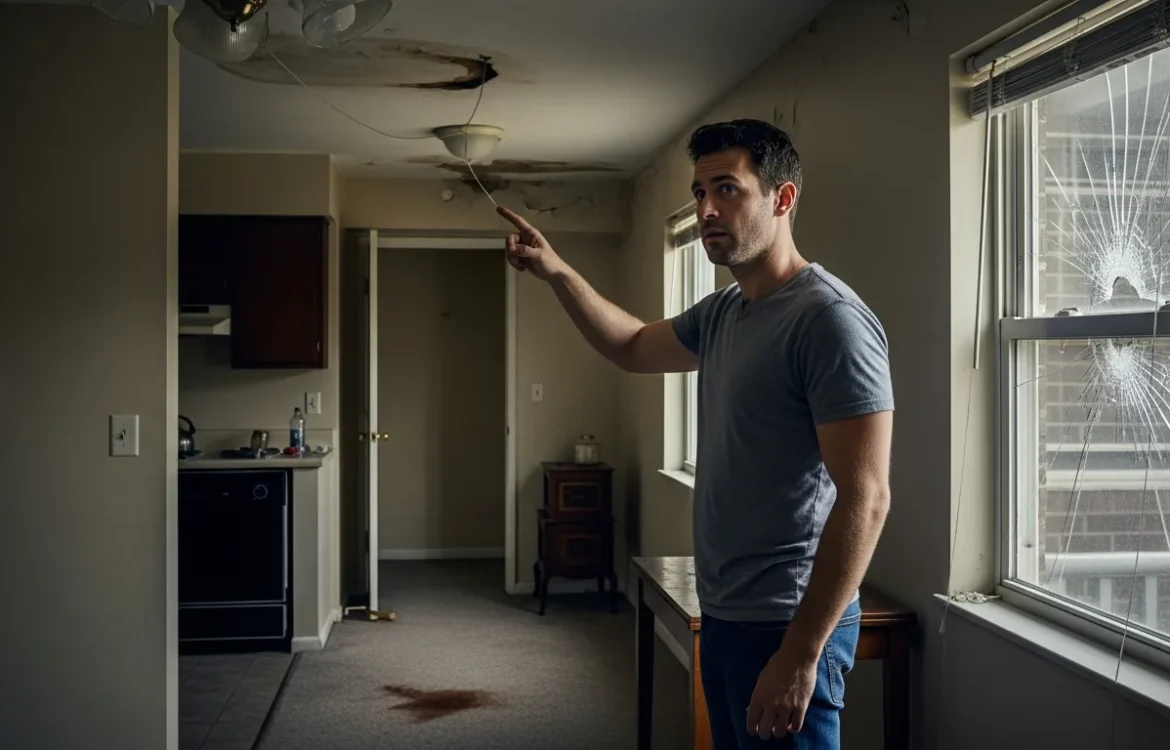
Signs of a Bad Apartment: Red Flags to Avoid in 2026
Finding the perfect apartment can feel like searching for a needle in a haystack, especially when hidden problems lurk behind fresh paint and staged furniture. A bad apartment isn’t just about minor inconveniences—it can lead to financial stress, health issues, and constant frustration. Whether you’re a first-time renter or a seasoned tenant, knowing how to spot warning signs before signing a lease is crucial for your peace of mind and wallet. This comprehensive guide will walk you through the most common signs of a bad apartment, helping you avoid costly mistakes and find a safe, comfortable home. Remember, thorough research and asking the right questions when touring an apartment can save you from future headaches.
Signs of a bad apartment include poor maintenance (like water damage or pest infestations), safety hazards (such as faulty wiring or broken locks), problematic landlords (unresponsive or overly intrusive), hidden costs (unexpected fees or utilities), and negative neighborhood factors (high crime or noise). Always inspect thoroughly and review the lease carefully before committing.
Physical Condition and Maintenance Issues
The physical state of an apartment is often the most obvious indicator of quality. While some wear and tear is normal in older buildings, certain issues signal neglect that could affect your living experience. Start by checking these key areas during your tour, and don’t hesitate to look beyond surface appearances. A well-maintained property reflects a landlord who cares about tenants, while neglect can lead to bigger problems down the line. For more on what to look for during inspections, refer to our new apartment checklist essentials.
- Water Damage and Mold: Look for stains on ceilings, walls, or floors, which indicate leaks. Musty odors or visible mold (often black or green spots) can cause health issues like allergies or respiratory problems.
- Pest Infestations: Check for droppings, gnaw marks, or live insects (especially in kitchens and bathrooms). Common pests include cockroaches, rodents, and bed bugs—the latter being particularly difficult to eradicate.
- Faulty Plumbing and Electrical Systems: Test faucets, toilets, and showers for water pressure and drainage. Inspect outlets and switches; flickering lights or buzzing sounds may indicate outdated or dangerous wiring.
- Structural Problems: Cracks in walls or ceilings, uneven floors, or doors that don’t close properly can signal foundation issues or poor construction.
- Poor Insulation and Ventilation: Drafty windows or inadequate heating/cooling systems lead to high utility bills and discomfort. Check for proper ventilation in bathrooms and kitchens to prevent moisture buildup.
Safety and Security Concerns
Your home should be a sanctuary, not a source of anxiety. Safety hazards in an apartment can pose serious risks to your well-being and property. During your visit, assess both the unit itself and the broader building or complex. Don’t assume that safety features are up to code—verify them yourself. If you encounter issues later, understanding your tenant rights when moving out can help you navigate disputes.
- Faulty Locks and Security Systems: Ensure all doors and windows have working locks. In multi-unit buildings, check for secure entry systems and well-lit common areas.
- Fire Hazards: Look for smoke detectors and carbon monoxide alarms (test them if possible). Avoid units with blocked fire escapes or missing fire extinguishers.
- Unsafe Neighborhood: Research crime rates and visit at different times to gauge noise and activity. High crime areas or poor street lighting can compromise your safety.
- Building Code Violations: Signs like exposed wiring, missing handrails, or improper ventilation may indicate non-compliance with local regulations.
- Lack of Emergency Preparedness: Ask about evacuation plans or maintenance protocols for emergencies like floods or power outages.
Landlord and Management Problems
A bad landlord can turn even a decent apartment into a nightmare. Their responsiveness, professionalism, and adherence to laws directly impact your rental experience. Pay attention to interactions during the application process, as they often reflect how you’ll be treated as a tenant. To avoid issues, learn how to find a good landlord before signing anything.
| Red Flag | Why It’s a Problem | What to Do |
|---|---|---|
| Unresponsive Communication | Delays in repairs or emergencies can worsen living conditions. | Test response times before renting by asking questions via email or phone. |
| Overly Intrusive Behavior | Violates privacy rights and creates discomfort. | Review lease terms about landlord right to enter for repairs to know your limits. |
| Vague or Unfair Lease Terms | Leads to disputes over fees, rules, or responsibilities. | Read the lease carefully and ask for clarifications; consider using a year lease agreement template for comparison. |
| Poor Reputation Online | Indicates a pattern of tenant complaints or legal issues. | Check reviews on rental sites or local tenant forums. |
| Pressure to Sign Quickly | May hide defects or unfavorable terms. | Take your time to inspect and negotiate; avoid rushed decisions. |
Hidden Costs and Financial Pitfalls
Beyond the monthly rent, unexpected expenses can make an apartment unaffordable. A bad apartment often comes with hidden costs that aren’t disclosed upfront. Scrutinize all financial aspects before committing to ensure they fit your budget. For help calculating affordability, see our guide on how much income you need for rent.
- High Utility Bills: Inefficient appliances or poor insulation can skyrocket costs. Ask for average utility estimates from the landlord or previous tenants.
- Excessive Fees: Watch for application fees, move-in fees, or non-refundable deposits that seem unreasonable. Some landlords charge for amenities that should be included.
- Rent Increases: Check if the lease allows sudden or steep hikes. In rent-controlled areas, verify compliance with local laws.
- Security Deposit Issues: Ensure the deposit amount is legal and understand the security deposit deduction rules to avoid unfair charges later.
- Maintenance Responsibilities: Clarify who pays for repairs; some landlords shift costs to tenants for minor issues.
Neighborhood and Community Factors
Even a well-maintained apartment can be a bad choice if the surrounding area doesn’t meet your needs. The neighborhood impacts your daily life, from commute times to social opportunities. Evaluate these factors based on your lifestyle and priorities. If noise is a concern, learn how to deal with loud neighbors proactively.
- Noise Levels: Visit at different times (e.g., evenings and weekends) to assess traffic, construction, or neighbor noise. Thin walls or poor soundproofing can exacerbate issues.
- Lack of Amenities: Consider proximity to groceries, public transit, schools, and healthcare. Remote locations may increase transportation costs and time.
- Poor Upkeep of Common Areas: Dirty hallways, broken elevators, or unkempt landscaping suggest neglect by management.
- High Turnover Rates: Frequent move-ins/outs can indicate dissatisfaction among tenants. Ask current residents about their experiences.
- Future Development Plans: Research upcoming projects that could affect noise, traffic, or property values.
How to Protect Yourself When Renting
Spotting signs of a bad apartment is only half the battle—taking proactive steps can prevent you from getting stuck in a problematic rental. From documentation to legal awareness, these strategies help safeguard your interests. Always follow a systematic approach, like the steps to renting an apartment, to minimize risks.
- Conduct a Thorough Inspection: Use a checklist to document the apartment’s condition before moving in. Take photos or videos as evidence.
- Review the Lease Carefully: Look for clauses about repairs, entry rights, and fees. Don’t sign anything you don’t understand.
- Get Everything in Writing: Communicate with the landlord via email or text to keep records of promises or agreements.
- Know Your Rights: Familiarize yourself with local tenant laws, such as those outlined in the Texas tenant laws guide if applicable.
- Trust Your Instincts: If something feels off during the tour or application process, it’s okay to walk away. There are always other options.
Frequently Asked Questions (FAQs)
What are the most common signs of a bad apartment?
The most common signs include visible water damage or mold, pest infestations, safety hazards like faulty wiring, unresponsive landlords, hidden fees, and poor neighborhood conditions like high crime or excessive noise. Always inspect thoroughly before renting.
How can I check for pest problems in an apartment?
Look for droppings, gnaw marks, or live insects in kitchens, bathrooms, and closets. Ask the landlord about past pest treatments and check online reviews for mentions of infestations. For bed bugs specifically, inspect mattress seams and furniture crevices.
What should I do if I find issues after moving in?
Document the problems with photos and notify your landlord in writing immediately. Keep records of all communications. If repairs aren’t made, refer to your lease and local tenant laws—you may have rights to withhold rent or break the lease in severe cases.
Are there legal protections against bad apartments?
Yes, most states have landlord-tenant laws that require habitable living conditions, including working utilities, structural safety, and pest control. If your apartment violates these, you can report it to local housing authorities or seek legal advice.
How important is the landlord’s reputation?
Very important. A landlord with a history of complaints or lawsuits may ignore maintenance requests, violate privacy, or unfairly withhold deposits. Research online reviews and ask current tenants about their experiences before signing a lease.
Can a bad apartment affect my health?
Absolutely. Issues like mold, pests, poor ventilation, or lead paint can cause allergies, respiratory problems, or other health issues. Always prioritize apartments that are clean, well-maintained, and free of hazards.
What are red flags in a lease agreement?
Red flags include vague repair responsibilities, excessive fees, automatic rent increases, clauses that waive tenant rights, or permission for the landlord to enter without notice. Review the lease carefully and consider having a lawyer look it over if possible.
Should I rent an apartment with minor issues?
It depends. Minor cosmetic flaws like scuffed walls may be acceptable if the rent is low and the landlord agrees to fix them. However, structural or safety issues should never be ignored, as they can worsen over time and cost you more in the long run.