How Do You Keep Bugs Out of a Ground Floor Garden Apartment?
The Ground Floor Challenge: Why Garden Apartments Attract Pests
Living in a garden apartment offers unique perks, such as direct access to outdoor space and a cozy, home-like feel. However, because these units are situated at or slightly below ground level, they are naturally more susceptible to unwanted visitors. Being closer to the soil means a tenant is closer to the natural habitat of ants, spiders, and rodents. To maintain a comfortable living environment, he must be proactive in his approach to pest management.
Sealing the Perimeter: Your First Line of Defense
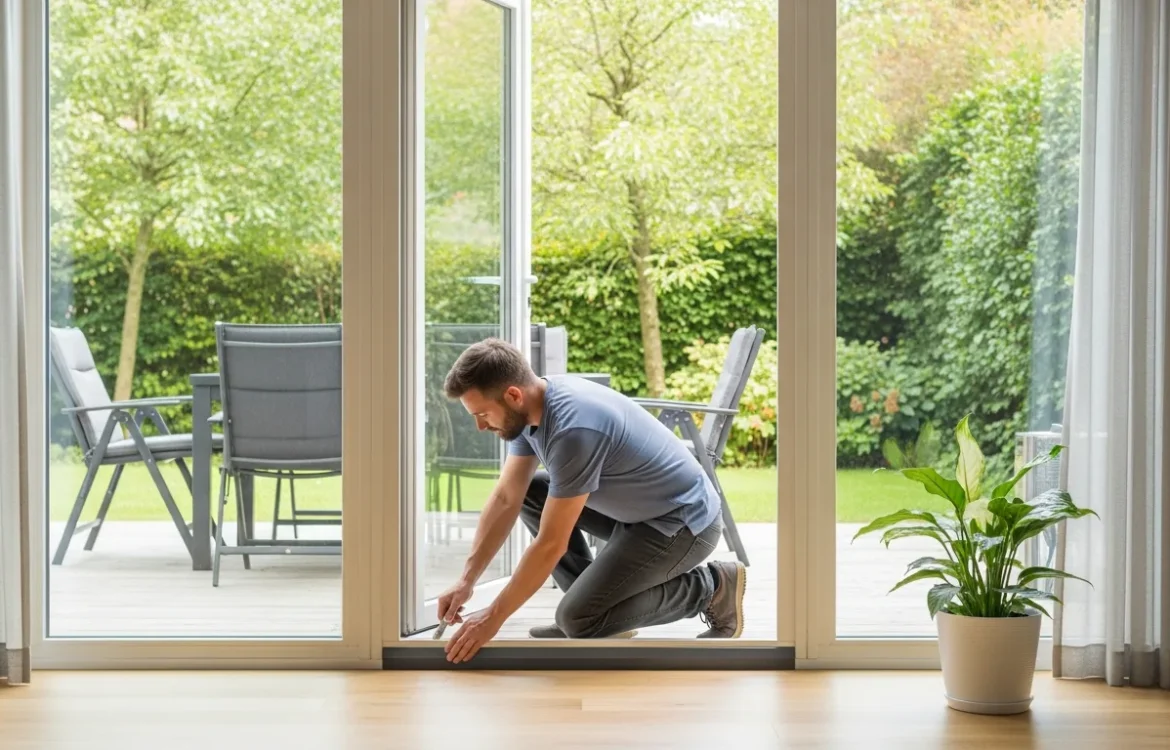
Pests are opportunistic; they only need a tiny gap to enter a home. In a ground-floor unit, the most common entry points are around windows and doors. A tenant should start by inspecting the base of his entry door. If he can see light through the bottom, a pest can certainly crawl through.
Installing Door Sweeps and Weather Stripping
Installing a heavy-duty door sweep is one of the most effective ways to block crawling insects. Additionally, checking the weather stripping around window frames is essential. Over time, these seals can degrade, especially in damp garden-level environments. By replacing worn strips, he ensures that even the smallest silverfish or earwig is kept at bay.
Controlling Moisture and Humidity
Garden apartments often deal with higher humidity levels than upper-floor units. Pests like cockroaches and centipedes thrive in damp environments. To mitigate this, a tenant should consider running a dehumidifier during the summer months to keep the air dry. He should also regularly check under his sinks for any slow leaks.
Maintaining a dry environment is a cornerstone of pest prevention. Utilizing a comprehensive apartment cleaning checklist can help a resident stay on top of moisture-prone areas, ensuring that spills are wiped up and damp cloths are never left sitting on the floor.
Smart Landscaping for Ground-Level Living
If the garden apartment includes a small patio or yard area, the way he maintains that space directly impacts the pest population inside. Mulch, while aesthetically pleasing, can hold moisture and attract termites and ants. It is better to keep mulch at least six inches away from the foundation of the building.
He should also ensure that any bushes or tree branches are trimmed back so they do not touch the exterior walls. These plants act as bridges for pests to climb directly onto window screens or into vents. Keeping the perimeter clear of debris and fallen leaves removes the hiding spots that rodents use before attempting to enter the building.
Interior Habits to Discourage Infestations
Pests enter a home for two main reasons: shelter and food. By removing the food source, a tenant makes his apartment much less attractive. All dry goods should be stored in airtight glass or plastic containers rather than their original cardboard boxes, which are easily chewed through by mice.
He should also be mindful of how he handles trash. Taking the garbage out nightly and ensuring the bin has a tight-sealing lid prevents odors from attracting flies and roaches. A clean kitchen is the best deterrent; even a few crumbs left behind after he prepares a meal can support an entire colony of ants.
When to Contact Management
Sometimes, despite a tenant’s best efforts, pests may still find a way in due to structural issues beyond his control. If he notices cracks in the foundation or gaps in the brickwork, he should notify his landlord immediately. Understanding what a landlord is responsible for regarding pest control is vital for any renter. Generally, if the infestation is caused by structural defects or affects multiple units, the landlord is legally obligated to provide professional extermination services.
Frequently Asked Questions
Do garden apartments have more bugs than high-rise units?
Generally, yes. Because they are at ground level, they have more direct contact with the soil and vegetation where pests live. However, with proper sealing and cleanliness, they can be kept just as pest-free as any other apartment.
What is the most common pest in ground floor apartments?
Ants and spiders are the most frequent visitors. Ants are attracted to moisture and food, while spiders enter looking for smaller insects to eat. Occasional sightings of centipedes or pillbugs are also common due to the proximity to damp earth.
Can I use pesticides inside my garden apartment?
A tenant should check his lease before applying heavy chemicals. Often, it is safer and more effective to use non-toxic baits or diatomaceous earth along baseboards. For serious issues, he should always request a professional through his property manager.
How often should I check for entry points?
It is wise to perform a walkthrough at the change of every season. Cold weather often drives rodents indoors, while spring rains can push ants and other insects toward the dry foundation of the building.