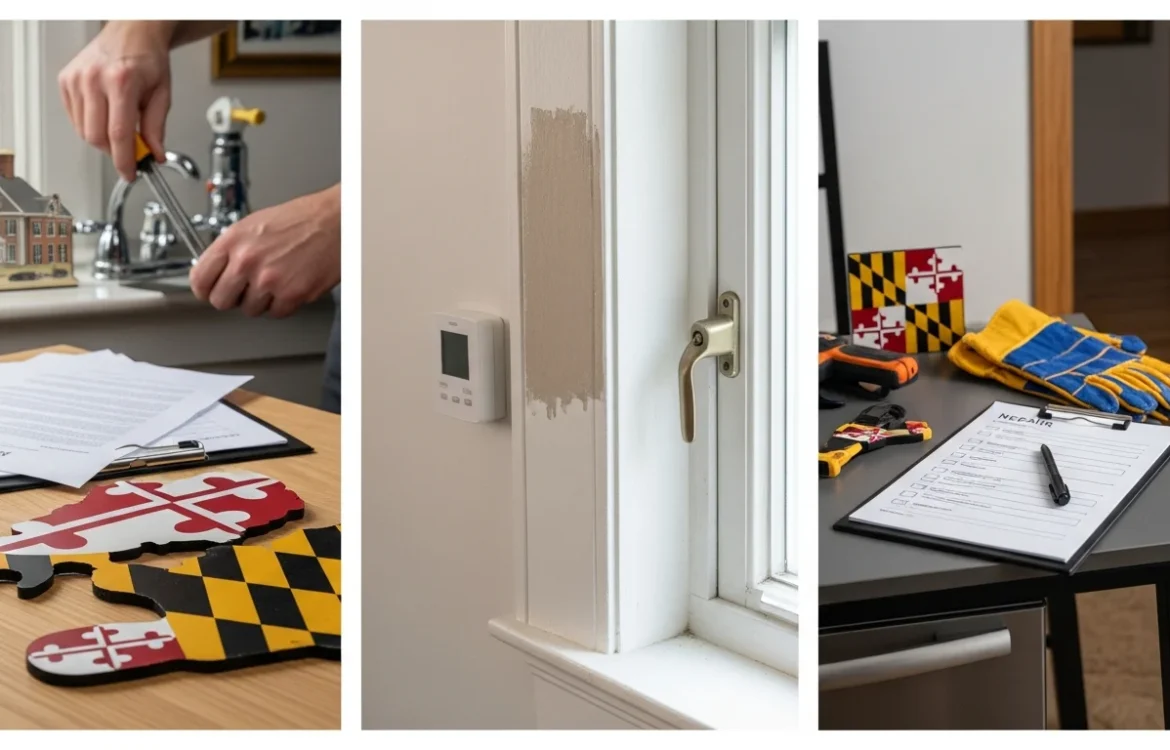
Maryland Landlord Tenant Law Repairs: Your Complete 2026 Guide
Understanding Maryland landlord tenant law repairs is crucial for both renters and property owners to ensure safe, habitable living conditions and avoid legal conflicts. In Maryland, specific statutes outline who is responsible for what repairs, timelines for addressing issues, and the rights of tenants when landlords fail to act. This comprehensive guide breaks down everything you need to know about repair obligations in Maryland, from common scenarios to step-by-step procedures for enforcement. Whether you’re dealing with a leaky faucet or a major structural problem, knowing your rights under Maryland law can protect your home and wallet. For more insights on tenant rights in other states, check out our guide on Texas tenant laws.
Under Maryland landlord tenant law repairs, landlords are generally responsible for maintaining habitable conditions, including repairs for essential systems like plumbing, heating, and structural integrity. Tenants must report issues promptly and can take legal action if repairs aren’t made in a reasonable time, such as by withholding rent or pursuing repairs and deducting costs, following specific procedures to avoid eviction.
Landlord Responsibilities for Repairs in Maryland
Maryland law requires landlords to provide and maintain rental properties in a safe and habitable condition. This includes ensuring that all essential systems are in good working order. Key responsibilities under Maryland landlord tenant law repairs include:
- Maintaining structural components, such as walls, floors, and roofs, to prevent hazards.
- Ensuring plumbing, electrical, and heating systems are functional and up to code.
- Providing adequate sanitation, including garbage removal and pest control.
- Repairing appliances or fixtures that were included in the lease agreement.
- Addressing health and safety issues, like mold or lead paint, as required by state regulations.
Landlords must respond to repair requests in a timely manner, typically within a reasonable time frame based on the urgency of the issue. For example, a broken heater in winter should be fixed much faster than a minor cosmetic flaw. Failure to meet these obligations can lead to legal consequences, including tenant remedies like rent withholding. If you’re unsure about what constitutes a landlord’s duty, our article on carpet replacement responsibilities offers insights into similar maintenance issues.
Tenant Rights and Obligations for Repairs
Tenants in Maryland have specific rights and duties when it comes to repairs. Understanding these can help you navigate disputes effectively. Key tenant rights under Maryland landlord tenant law repairs include:
- The right to a habitable dwelling, as guaranteed by the implied warranty of habitability.
- The right to request repairs in writing and receive a prompt response.
- The right to withhold rent or pursue “repair and deduct” if landlords fail to act, following legal procedures.
- The right to take legal action for damages or health issues caused by neglect.
Tenants also have obligations, such as reporting repair issues promptly, avoiding damage to the property, and allowing reasonable access for repairs. If a tenant causes damage through negligence or misuse, they may be responsible for the repair costs. It’s important to document all communications and keep records of repair requests. For more on tenant rights when moving out, refer to our tenant rights moving out guide.
Common Repair Scenarios and Legal Solutions
Repair issues can range from minor fixes to major emergencies. Here are some common scenarios under Maryland landlord tenant law repairs and how to handle them:
- Plumbing Leaks: Landlords must fix leaks that affect habitability. Tenants should report immediately to prevent water damage.
- Heating or Cooling Failures: Essential for habitability, especially in extreme weather. Landlords have a duty to repair promptly.
- Pest Infestations: Landlords are generally responsible for extermination, unless caused by tenant negligence.
- Structural Damage: Issues like cracked walls or faulty stairs require landlord attention for safety.
If a landlord refuses to make necessary repairs, tenants can use remedies like rent withholding, but must follow strict steps: provide written notice, allow a reasonable time for repair, and ensure the issue is serious enough to justify action. In some cases, tenants can hire a professional to make repairs and deduct the cost from rent, but this requires prior notice and documentation. Always consult local laws or a legal expert before taking action. For tips on communicating repair needs, see our sample letter to landlord for repairs.
Timelines and Enforcement of Repair Requests
Maryland does not specify exact timelines for repairs in its statutes, but “reasonable” time frames are based on the severity of the issue. Here’s a general guideline:
| Type of Repair | Suggested Timeline | Tenant Action if Not Met |
|---|---|---|
| Emergency (e.g., no heat in winter) | 24-48 hours | Withhold rent or pursue repair and deduct |
| Major (e.g., broken appliance) | 7-14 days | Send follow-up notice or seek legal advice |
| Minor (e.g., cosmetic damage) | 30 days or more | Document for future reference |
To enforce repair requests, tenants should start by sending a written notice detailing the issue and requesting action. If the landlord doesn’t respond, tenants can escalate by contacting local housing authorities or filing a lawsuit in small claims court. Keep copies of all correspondence and photos of the damage as evidence. In severe cases, tenants may be able to break the lease without penalty. For more on lease-related issues, explore our guide on breaking a lease in New York.
Preventive Measures and Best Practices
Proactive steps can help avoid repair disputes under Maryland landlord tenant law repairs. Consider these best practices:
- Conduct a thorough inspection before moving in and document any existing issues with photos or a checklist.
- Review the lease agreement carefully to understand repair responsibilities and procedures.
- Report repair issues in writing as soon as they arise, keeping a record of dates and communications.
- Maintain the property well to prevent damage that could be blamed on negligence.
- Know your local resources, such as tenant unions or legal aid services, for support in disputes.
Landlords should also stay informed about Maryland laws and maintain properties regularly to reduce repair needs. Open communication between landlords and tenants can resolve many issues amicably. For budgeting tips related to rental costs, check out our article on how to budget rent on low income.
FAQs About Maryland Landlord Tenant Law Repairs
What repairs are landlords responsible for in Maryland?
Landlords in Maryland are responsible for repairs that affect the habitability of the rental unit, such as plumbing, heating, electrical systems, structural integrity, and sanitation issues. They must also fix appliances or fixtures included in the lease. Tenants are typically responsible for minor repairs caused by their negligence.
Can a tenant withhold rent for repairs in Maryland?
Yes, a tenant can withhold rent for repairs in Maryland if the landlord fails to address serious habitability issues after proper notice. However, tenants must follow specific legal procedures, such as providing written notice and allowing a reasonable time for repair, to avoid eviction for non-payment.
How long does a landlord have to make repairs in Maryland?
Maryland law does not set exact timelines, but landlords must make repairs within a “reasonable” time based on the urgency. Emergency repairs like no heat might require action within 24-48 hours, while minor issues could take longer. Tenants should document requests and follow up if delays occur.
What can a tenant do if a landlord refuses to repair in Maryland?
If a landlord refuses to repair, a tenant can take several actions: send a formal written notice, contact local housing authorities, withhold rent (following legal steps), pursue “repair and deduct” by hiring someone and deducting costs from rent, or file a lawsuit for damages or to break the lease.
Are tenants allowed to make repairs themselves in Maryland?
Tenants can make minor repairs themselves, but for major issues, they should generally request landlord action. If a landlord fails to act, tenants may use the “repair and deduct” remedy after providing notice, but this is risky without legal guidance and could lead to disputes over costs or quality.
Does Maryland require written notice for repair requests?
While not always required by law, it’s highly recommended to provide written notice for repair requests in Maryland. This creates a paper trail that can be used as evidence in disputes. Verbal requests may be harder to prove if issues escalate to legal action.
Can a landlord enter for repairs without notice in Maryland?
In Maryland, landlords generally must provide reasonable notice before entering for repairs, except in emergencies. For more details on entry rights, see our guide on landlord right to enter for repairs.
What happens if a repair causes damage in Maryland?
If a repair by the landlord causes additional damage, the landlord is usually responsible for fixing it. Tenants should document the original issue and any new damage, and communicate promptly with the landlord to resolve it. If negligence is involved, legal action may be necessary.
Leave a Reply