How to Soundproof Apartment Walls: 7 Effective and Renter-Friendly Methods
Understanding the Science of Sound in Apartments
Living in a multi-unit building often means dealing with the reality of thin walls. Whether a renter is tired of hearing his neighbor’s late-night gaming sessions or he simply wants more privacy for his own conversations, understanding how sound travels is the first step. Sound moves in two ways: airborne noise (voices, music) and impact noise (footsteps, vibrations). To effectively quiet a room, he must address both by adding mass and dampening vibrations.
Adding Mass with Acoustic Panels
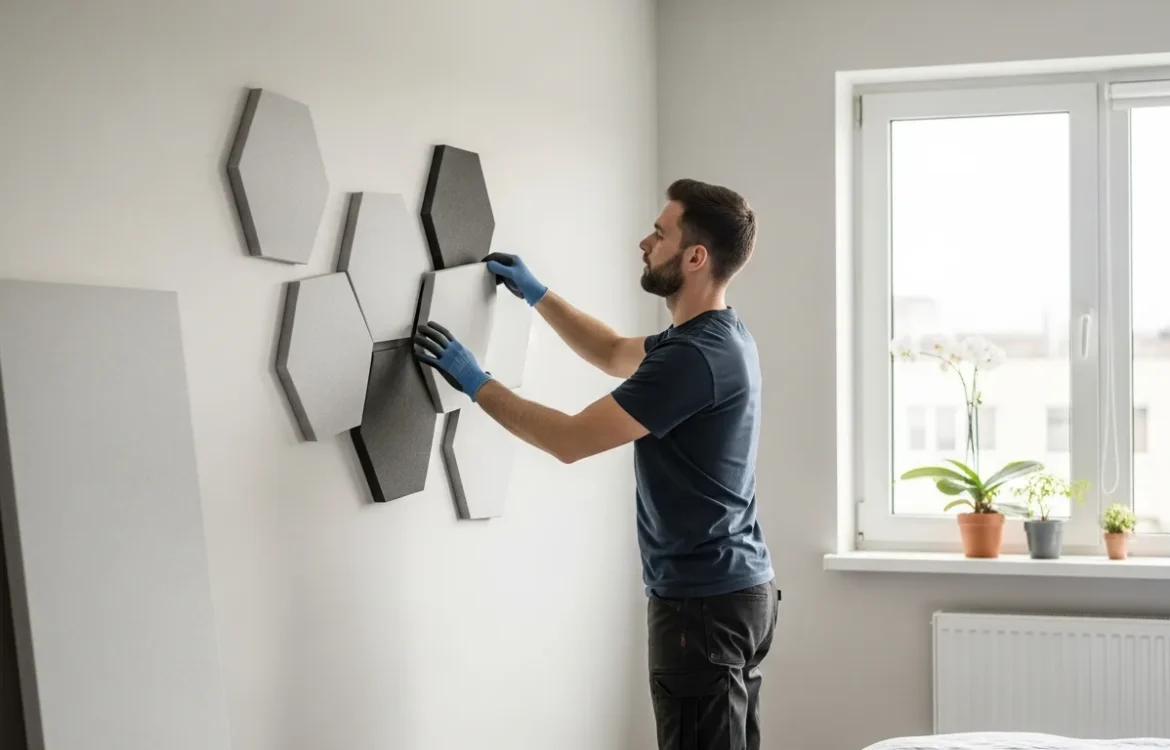
One of the most effective ways to stop sound from penetrating a wall is to increase its density. While a renter cannot usually build a second wall, he can install acoustic foam or fabric-wrapped panels. These materials are designed to absorb sound waves rather than reflecting them. For a more aesthetic approach, while he explores creative ways to decorate his space, he can also incorporate heavy felt panels that serve as both art and a sound barrier.
Strategic Furniture Placement
A simple and cost-free method involves rearranging the layout of the room. If a tenant finds that noise is coming specifically from one shared wall, he should place his heaviest furniture against it. A floor-to-ceiling bookshelf filled with books acts as an incredible sound dampener. The varied depths of the books help diffuse sound waves, while the sheer mass of the paper blocks transmission.
- Wardrobes: Placing a large wooden wardrobe against a noisy wall creates an extra layer of wood and air.
- Dressers: Heavy oak or pine dressers can significantly reduce the vibration felt through the drywall.
- Sofas: If the noise is coming from a lower level, a thick, plush sofa can help absorb ambient sound.
Sealing Gaps and Air Leaks
Sound is like water; it will find the path of least resistance. Small gaps around door frames, electrical outlets, and baseboards are often the primary culprits for noise leaks. A renter should inspect the perimeter of his room for any visible light or drafts. Using weatherstripping or removable acoustic caulk can seal these openings. This is especially essential when learning how to manage noise from the person next door without causing a confrontation.
Utilizing Soundproof Curtains and Moving Blankets
For those on a strict budget, industrial-grade moving blankets are a secret weapon. While not the most stylish option, they are engineered to be extremely dense. He can hang these over a troublesome wall using heavy-duty Command hooks to avoid damaging the paint. Alternatively, soundproof curtains (often marketed as blackout curtains) are made from triple-weave fabric that can significantly muffle external noise when hung from a sturdy rod.
The Power of Rugs and Floor Dampening
Even if the goal is to soundproof the walls, the floor plays a massive role in the overall acoustics of the room. Sound bounces off hard surfaces, creating an echo that makes wall-penetrating noise seem louder. By laying down a thick rug with a high-quality felt pad underneath, a tenant can reduce the “reverb” in his own space, making the environment feel much quieter and more secluded.
Using White Noise to Mask Residual Sound
Sometimes, despite his best efforts, some sound will still get through. In these cases, sound masking is more effective than soundproofing. A dedicated white noise machine or a high-quality fan can produce a consistent frequency that helps the human brain ignore erratic noises from the hallway or the unit next door. This allows the renter to focus on his work or sleep without being startled by sudden thumps or voices.
Frequently Asked Questions
Can I soundproof my apartment without losing my security deposit?
Yes. Most renter-friendly methods, such as using acoustic panels with adhesive strips, hanging heavy curtains, or placing large furniture against walls, are completely non-destructive and can be removed when he moves out.
Do egg cartons actually soundproof walls?
No. This is a common myth. Egg cartons are too thin to block sound and are not dense enough to absorb it. They may slightly reduce echo within a room, but they will not stop noise from coming through the walls.
What is the cheapest way to soundproof a wall?
The most cost-effective method is strategic furniture placement. Moving a full bookshelf or a large dresser against the shared wall costs nothing and provides a substantial increase in mass.
Does hanging blankets on walls help?
Thick blankets, especially moving blankets or heavy wool, can help absorb mid-to-high frequency sounds. However, they are less effective against low-frequency bass or structural vibrations.