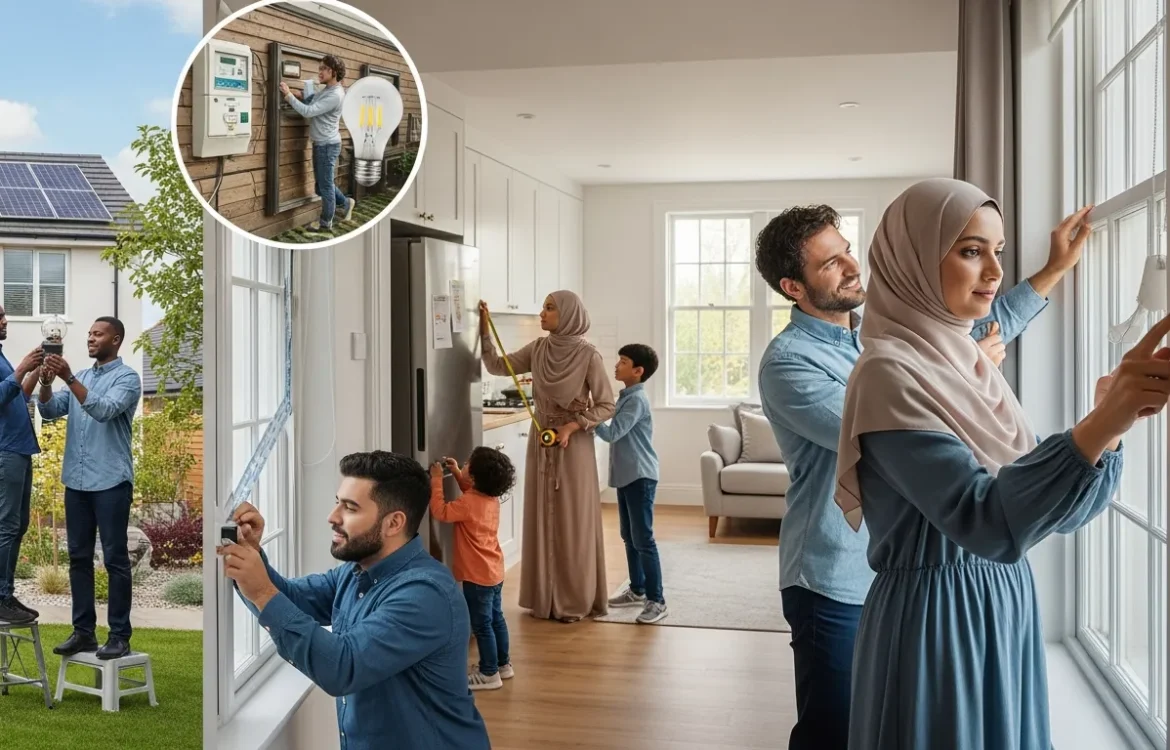
How to Save Money on Utilities: 2026 Guide to Lower Bills
Utility bills can drain your budget faster than you realize, with the average U.S. household spending over $2,000 annually on energy alone. Whether you’re renting your first apartment or managing a family home, learning how to save money on utilities is essential for financial stability. This comprehensive guide provides actionable strategies to reduce your electricity, water, gas, and internet costs without sacrificing comfort. From simple behavioral changes to smart home investments, we’ll cover everything you need to lower your monthly expenses and keep more money in your pocket.
To save money on utilities, focus on reducing energy consumption through simple habits like turning off lights, using energy-efficient appliances, and adjusting your thermostat. Install low-flow fixtures for water savings, bundle services for internet and TV, and conduct regular maintenance on HVAC systems. Consider investing in smart home devices and compare providers to ensure you’re getting the best rates.
Understanding Your Utility Bills
Before you can effectively save money on utilities, you need to understand what you’re paying for. Most households deal with four main utility categories: electricity, water, gas (for heating and cooking), and internet/telecommunications. Each bill typically includes a base service charge, usage fees, and sometimes taxes or regulatory costs. Start by reviewing your past 6-12 months of bills to identify patterns—do your costs spike in summer due to air conditioning, or in winter from heating? This analysis will help you target the most expensive areas first. For renters, it’s especially important to know what utilities you’re responsible for, as outlined in your rental lease agreement.
Energy-Saving Strategies for Electricity
Electricity is often the largest utility expense. Here are proven ways to cut your electric bill:
- Switch to LED Bulbs: LED bulbs use 75% less energy than incandescent bulbs and last 25 times longer. Replace all frequently used lights.
- Unplug Electronics: Devices on standby (“phantom load”) can account for 10% of your electric bill. Use power strips to easily turn off multiple devices.
- Optimize Thermostat Settings: Set your thermostat to 78°F in summer and 68°F in winter when you’re home. Use programmable or smart thermostats to adjust automatically when you’re away.
- Maintain Your HVAC System: Clean or replace air filters monthly during peak seasons. Schedule annual professional maintenance to ensure efficiency.
- Use Energy-Efficient Appliances: Look for ENERGY STAR certified products when replacing old appliances. They use 10-50% less energy than standard models.
If you’re moving into a new place, make sure to set up electricity with the most cost-effective provider in your area.
Water Conservation Techniques
Water bills can be reduced significantly with these practical approaches:
- Install Low-Flow Fixtures: Low-flow showerheads and faucet aerators can reduce water usage by 30-50% without noticeable pressure loss.
- Fix Leaks Promptly: A dripping faucet can waste 3,000 gallons per year. Check toilets by adding food coloring to the tank—if color appears in the bowl without flushing, you have a leak.
- Optimize Laundry Habits: Wash full loads of laundry in cold water. Front-loading washers use 40% less water than top-loading models.
- Reduce Shower Time: Cutting your shower from 10 to 5 minutes can save up to 1,000 gallons per month for a family of four.
- Water Landscaping Efficiently: Water early morning or late evening to reduce evaporation. Consider drought-resistant plants for your garden.
Gas and Heating Cost Reduction
For homes using natural gas for heating, cooking, or water heating, these strategies can help:
- Seal Air Leaks: Use weatherstripping around doors and windows, and caulk gaps in walls. This can reduce heating costs by 10-20%.
- Lower Water Heater Temperature: Set your water heater to 120°F instead of 140°F. This reduces energy use while still providing hot water.
- Use Ceiling Fans: In winter, run ceiling fans clockwise at low speed to push warm air down from the ceiling.
- Cook Efficiently: Use lids on pots to cook faster, match pan size to burner size, and consider using a microwave or toaster oven for small meals.
- Insulate Your Home: Proper insulation in attics, walls, and basements can cut heating costs by 15% or more.
When moving into a rental, ensure you know how to set up gas for your apartment correctly to avoid unnecessary fees.
Internet and Telecommunications Savings
While not a traditional utility, internet and TV services represent significant monthly expenses. Here’s how to save:
| Strategy | Potential Savings | Implementation |
|---|---|---|
| Bundle Services | 10-30% monthly | Combine internet, TV, and phone with one provider |
| Negotiate Rates | 10-40% first year | Call retention department and mention competitor offers |
| Downgrade Speed | 20-50% monthly | Assess actual usage needs vs. paying for maximum speed |
| Use Your Own Equipment | $5-15/month | Purchase modem/router instead of renting from provider |
| Explore Low-Income Programs | Up to 100% | Check eligibility for FCC’s Affordable Connectivity Program |
For more specific guidance, check out our guide on how to get cheap internet with current provider options.
Smart Home Investments That Pay Off
While some energy-saving strategies require upfront investment, these smart home devices typically pay for themselves within 1-3 years:
- Smart Thermostats: Devices like Nest or Ecobee learn your schedule and adjust temperatures automatically, saving 10-12% on heating and 15% on cooling.
- Smart Power Strips: These detect when devices are in standby mode and cut power completely, eliminating phantom energy drain.
- Smart Lighting Systems: LED bulbs with motion sensors or scheduling capabilities ensure lights are only on when needed.
- Energy Monitoring Systems: Whole-home energy monitors help identify which appliances are using the most electricity.
- Smart Water Monitors: These detect leaks early and provide usage data to help reduce consumption.
Behavioral Changes for Long-Term Savings
The most effective way to save money on utilities often involves changing daily habits. Consider these adjustments:
- Air Dry Dishes and Clothes: Skip the heat-dry cycle on your dishwasher and use a clothesline or drying rack instead of the dryer.
- Close Curtains Strategically: Keep curtains closed during hot days to block sunlight, and open them on sunny winter days for natural warmth.
- Use Smaller Appliances: Cook with a toaster oven, microwave, or slow cooker instead of the full oven when possible.
- Take Shorter Showers: Install a shower timer or play a 5-minute playlist to keep showers efficient.
- Wash Full Loads: Only run dishwashers and washing machines when completely full to maximize water and energy efficiency.
These habits can significantly impact your annual net income by reducing recurring expenses.
Government and Utility Company Programs
Many programs exist to help households save money on utilities:
- Energy Audits: Many utility companies offer free or discounted home energy audits to identify savings opportunities.
- Rebate Programs: Check for rebates on energy-efficient appliances, insulation, windows, and HVAC systems.
- Time-of-Use Rates: Some utilities offer lower rates during off-peak hours. Shift laundry, dishwashing, and charging to evenings or weekends.
- Weatherization Assistance: Low-income households may qualify for free home weatherization through government programs.
- Solar Incentives: Federal tax credits and local incentives can make solar panels more affordable for homeowners.
FAQs: How to Save Money on Utilities
What is the quickest way to save money on utilities?
The quickest way is to adjust your thermostat settings and turn off lights and electronics when not in use. These simple behavioral changes can reduce your energy bill by 5-10% immediately without any investment.
How much can I realistically save on utilities each month?
Most households can save 10-30% on their utility bills through a combination of behavioral changes, maintenance, and minor upgrades. For a typical $200 monthly utility bill, that’s $20-60 in savings each month.
Are smart thermostats worth the investment?
Yes, smart thermostats typically pay for themselves within 1-2 years through energy savings. They optimize heating and cooling based on your schedule and can be controlled remotely, preventing energy waste when you’re away.
How can renters save money on utilities?
Renters can use energy-efficient light bulbs, install window insulation film, use draft stoppers under doors, unplug electronics, and negotiate with landlords about weatherization improvements. Always check your apartment walkthrough checklist for energy efficiency features before signing a lease.
What appliances use the most electricity?
Heating and cooling systems typically use the most electricity (47% of home energy use), followed by water heaters (14%), lighting (12%), and refrigerators (4%). Focus on these areas for the biggest savings.
How often should I compare utility providers?
Review your utility providers annually, especially for services like internet and electricity where competition exists. Many areas have deregulated energy markets where you can choose your supplier for better rates.
Can landscaping help reduce utility costs?
Yes, strategic landscaping can reduce energy costs by 25%. Plant deciduous trees on the south and west sides of your home to provide summer shade while allowing winter sunlight. Evergreens on the north side can block cold winter winds.
What should I do if my utility bills are suddenly much higher?
First, check for leaks, malfunctioning appliances, or thermostat issues. Compare usage to the same period last year. Contact your utility company—they may offer payment plans or energy audits. If you’re renting and suspect issues with the property, review your tenant rights regarding habitability and necessary repairs.
Leave a Reply